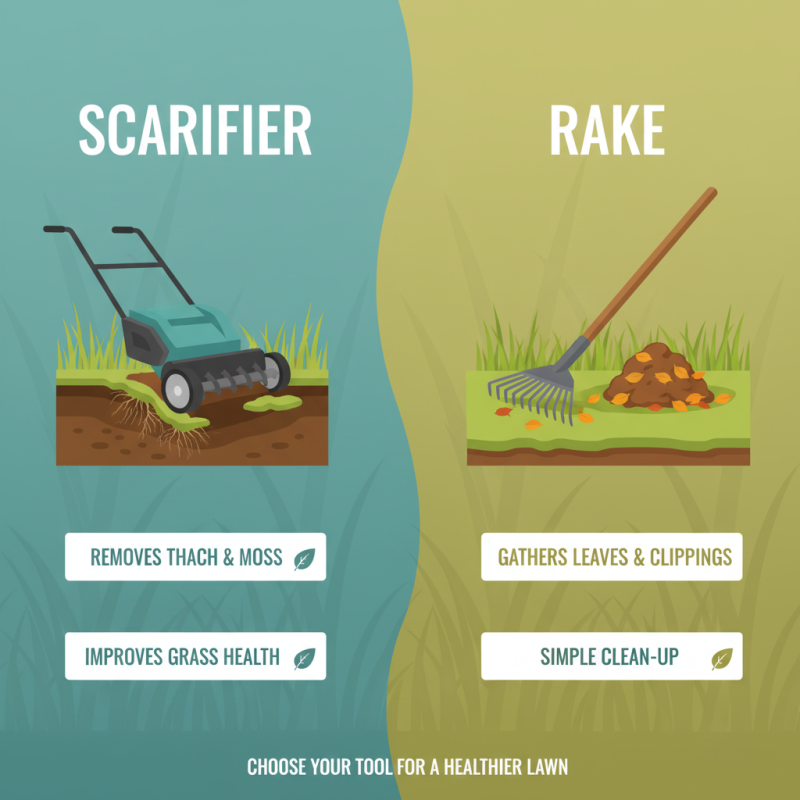
When you’re into lawn care, really getting a handle on the tools you use can make a huge difference. Like, many folks don’t realize that a scarifier and raker are actually two different gadgets with pretty different jobs. Some might even think they’re interchangeable, but nope — they serve separate purposes. A scarifier is great for tackling thatch and moss buildup, helping your grass breathe and grow strong. On the other hand, a raker is more your go-to for collecting leaves and debris from the yard.
If you’re aiming to keep your garden healthy and looking good, figuring out what each tool does is kinda essential. Using the wrong one could leave you frustrated or wasting a lot of effort, and honestly, that happens more often than you'd think. It’s easy to assume they’re the same, but each has its own unique perks. Pick the right tool, and suddenly your lawn can turn into a lush, vibrant space that you’re proud of.
Even the most seasoned gardeners mess up sometimes, no doubt about it. They might overlook just how important these tools are, which can slow down your progress. Taking a moment to reflect on your choices and understanding how to use the Scarifier And Raker properly can really level up your lawn game. Once you get a grip on what each one does, you’re well on your way to a garden that’s healthy, thriving, and totally Insta-worthy.
Understanding Scarifiers: Definition and Purpose
Scarifiers, also known as dethatchers, play a crucial role in lawn care. Their primary purpose is to remove thatch, a layer of dead grass and organic matter. This accumulation can suffocate your lawn over time, leading to poor health. By using a scarifier, you promote better airflow and nutrient absorption. This is essential for a vibrant lawn.
When using scarifiers, consider the following tips. Always adjust the depth setting based on your lawn type. A light scarifying might suffice for healthy grass, while more aggressive treatment is needed for neglected areas. Regular use each season can prevent buildup, ensuring a lush green appearance. However, over-scarifying can damage your lawn, so be cautious.
Rakers differ mainly in their function. While they also help remove debris, they focus more on surface-level cleaning. Rakers help tidy your lawn but don’t penetrate as deeply as scarifiers. It’s important to know when to use each tool. For well-maintained lawns, a raker may be enough, but neglected areas often require scarification. Understanding these differences can enhance your lawn care strategy with the right Lawn And Garden Tools.
Understanding Rakers: Definition and Purpose
Rakers play a vital role in lawn care. They are designed to remove thatch and debris. This process helps to aerate the soil. A healthy lawn requires a good balance of nutrients, and raking can help achieve that. Rakers come in various shapes and sizes. Some are handheld, while others attach to machines.
The purpose of a raker is clear. It targets thatch build-up and promotes healthier grass growth. Using a raker can feel tedious. Many homeowners might avoid it. However, raking is essential for lawn health. It ultimately prevents issues like pests and diseases. A healthy lawn is not just about beauty; it impacts the whole ecosystem.
While raking is beneficial, it can be imperfect. Some areas may be missed, leading to uneven growth. It is worth reflecting on technique and tool choice. Are you using the right raker for your lawn's size? Taking the time to explore this may yield surprising results. Each lawn is unique, and care should reflect that individuality.
What is the Difference Between Scarifier and Raker?
| Feature | Scarifier | Raker |
| Primary Function | To aerate soil and remove thatch. | To level and smooth surfaces. |
| Typical Use Case | Used in lawn care for drainage improvement. | Used in landscape preparation and maintenance. |
| Design | Equipped with sharp blades or tines. | Typically features flat raking tools or tines. |
| Soil Impact | Disturbs the soil for better air access. | Minimal disturbance, focuses on surface texture. |
| Frequency of Use | Often used during the growing season. | Can be used throughout the year as needed. |
Key Differences Between Scarifiers and Rakers
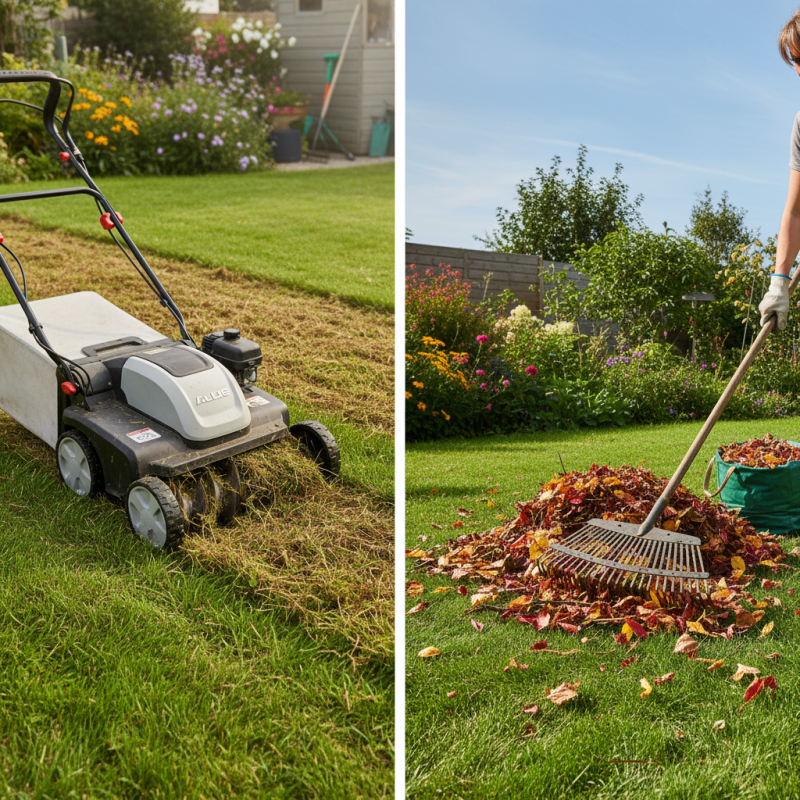
When maintaining a garden, understanding tools is crucial. Scarifiers and rakers are two essential devices, but they serve different purposes. Scarifiers create vertical cuts in the soil, helping to aerate it. This process allows air and nutrients to penetrate deeper, promoting healthy grass growth. Rakers, on the other hand, primarily focus on removing debris and thatch. They can help in keeping the lawn clean and healthy by facilitating better water drainage.
The design of each tool reflects its purpose. Scarifiers often have sharp, rotating blades that dig into the soil. This action can improve turf health but may sometimes be too aggressive. Over-scarifying can lead to damage, so caution is necessary. Rakers typically come with flexible tines, making them gentler on grass. They're perfect for grabbing leaves and clippings. A Leaf Blower And Mulcher could complement both tools, helping in maintaining a cleaner landscape.
Understanding these differences ensures you choose the right tool for your needs. It’s valuable to reflect on your garden’s specific requirements. Trying both tools can help identify which one benefits your lawn the most. It might not be easy, but experimenting is part of the gardening journey.
Comparison of Scarifiers and Rakers
Applications of Scarifiers in Lawn Care
Scarifiers play a crucial role in lawn care, particularly in enhancing soil health. These machines help remove thatch, a layer of dead grass and organic matter. According to the Turfgrass Science Journal, excessive thatch can impede water and nutrient absorption. A study showed that lawns with more than 0.5 inches of thatch experience reduced growth.
When scarifying, it’s essential to adjust the depth appropriately. An ideal setting is typically between 1/4 to 1/2 inch. Many homeowners underestimate this, which can lead to damage. A deep cut may harm the grass roots, affecting lawn aesthetics. Also, timing is key. Late spring or early fall are the best times for scarifying, as grass growth is at its peak during these seasons.
While scarifiers are effective, they require maintenance. Keeping blades sharp ensures optimal performance. Neglecting this can lead to uneven results. Regular checks are advisable. Furthermore, the aftermath of scarifying often leaves behind debris that needs raking. Some users overlook this step, leading to a messy lawn. Addressing these aspects improves overall lawn health significantly.
Applications of Rakers in Lawn Care
Rakers play a pivotal role in lawn care. These essential tools help manage thatch, which is a layer of organic material that can suffocate grass if left untreated. According to the Lawn Institute, a healthy lawn should contain no more than 0.5 inches of thatch. When the layer thickens, rakers are crucial. They penetrate the soil, breaking down thatch and promoting air circulation.
By using rakers, lawn enthusiasts can enhance soil health. This action allows essential nutrients and water to penetrate deeper. Studies show that lawns maintained with rakers exhibit a 25% increase in nutrient absorption. Professionals often recommend raking in early spring or fall. This timing helps grass recover quickly after the stress of winter or summer. Utilizing Hand Tools And Hardware for this task can make a noticeable difference.
However, not all lawns respond the same way to raking. Some may need more frequent raking, while others could suffer from excessive disturbance. This variability calls for observation and adaptability. Lawn care is a journey, not a destination. Regularly reassessing techniques is key to achieving a lush, green lawn.
Maintenance and Care for Scarifiers and Rakers
Maintaining scarifiers and rakers is essential for a healthy lawn. Scarifiers help remove thatch, which can hinder water and nutrient absorption. Rakers, on the other hand, are used to comb through soil and remove rocks or debris. According to industry reports, lawns that receive regular scarifying show a 30% increase in nutrient uptake. This emphasizes the importance of these tools in lawn care.
Caring for these tools involves regular cleaning and proper storage. After use, it’s crucial to brush off soil and debris. Leaving residue can lead to rust and damage. A well-maintained scarifier or raker can last several years, but neglect may shorten their lifespan significantly. In fact, studies suggest that tools, when not cared for properly, can lose efficiency by up to 40%.
Ultimately, while Garden Shovels And Spades are vital for digging, scarifiers and rakers play a different role. Proper maintenance ensures they perform well when needed. However, many overlook this. Regular attention to these tools can prevent costly replacements. Being proactive about tool care is a lesson worth reflecting on for any avid gardener.
Choosing the Right Tool for Your Lawn Needs
When it comes to lawn care, selecting the right tool is crucial. Scarifiers and rakes are popular choices, but they serve different purposes. A scarifier is used to remove thatch and moss from your lawn, promoting healthier grass growth. It works by slicing through the soil, pulling up debris. Conversely, a rake is simpler, designed for gathering leaves and loose grass clippings.
Tip: Assess your lawn’s condition before choosing. If you notice excessive thatch, a scarifier is essential. For regular maintenance, a rake may suffice.
Understanding your specific lawn needs is vital. If your lawn feels spongy or looks unhealthy, consider a scarifier. On the other hand, if it’s generally clean, a rake will work just fine. Sometimes, investing in more than one tool is beneficial.
Tip: Don’t hesitate to seek advice from local gardening experts. They can provide insights tailored to your area. Keep in mind that improper use of these tools can damage your lawn. Always test on a small patch first.
Maximizing Garden Efficiency: Insights from Industry Reports on the Benefits of Using the TG21071007-G Garden Hoe and Cultivator
Maximizing garden efficiency is crucial for any gardener looking to optimize their growing space and ensure healthy plant development. Recent industry reports highlight the benefits of using specialized tools, such as garden hoes and cultivators, to enhance soil preparation and weed management. These tools can significantly reduce labor time while improving soil aeration and nutrient distribution, leading to better plant growth and yields.
The TG21071007-G garden hoe and cultivator is designed to offer versatility and ease of use. By combining both digging and cultivating functions, gardeners can efficiently tackle various tasks without the need for multiple tools. The ergonomic design of such tools minimizes strain on the body, allowing for prolonged use without discomfort. Additionally, its lightweight construction makes it accessible to gardeners of all skill levels, promoting effective gardening practices and encouraging a more productive gardening experience.
Incorporating the right tools into your gardening routine can lead to remarkable improvements in garden performance. With a focus on efficiency and convenience, using reliable hoes and cultivators empowers gardeners to cultivate more effectively, manage weeds promptly, and maintain healthier soil. Ultimately, adopting these tools can result in a flourishing garden that thrives throughout the growing season.
FAQS
: This guide provides information on various topics for better understanding.
Anyone seeking knowledge and clarity can find it useful.
Use keywords to search for specific topics or sections.
Some may struggle with understanding the terminology used.
It's always good to cross-check facts with multiple sources.
Readers can leave feedback through available communication channels.
Yes, contact details are provided at the end of the guide.
Consider seeking expert advice or additional literature on the subject.
Yes, some sections include diagrams and charts for clarity.
Updates occur periodically, but it's wise to verify details regularly.
Conclusion
The article "What is the Difference Between Scarifier and Raker?" delves into the distinct functions and benefits of these two essential lawn care tools. Scarifiers are designed to remove thatch and moss from the lawn, providing aeration and promoting healthier grass growth. On the other hand, rakers focus on leveling the soil surface and collecting debris, ensuring a neat and tidy lawn appearance.
The key differences between scarifiers and rakers lie in their specific purposes and applications in lawn maintenance. While scarifiers are ideal for rejuvenating lawns, rakers are effective for surface management. Additionally, the article discusses maintenance tips for both tools and provides guidance on choosing the right tool based on individual lawn needs, helping users make informed decisions for optimal lawn care.


 +86-13905742713

 CONTACT NUMBER
 CONTACT NUMBER