Let's face it—weeds can be a real pain for any gardener. They pop up so fast and end up stealing nutrients from your favorite plants, making your job even tougher. Having a good garden weeder can really make a difference, but here’s the thing— mastering weeding isn’t just about having the right tool in hand. It’s a bit of an art.
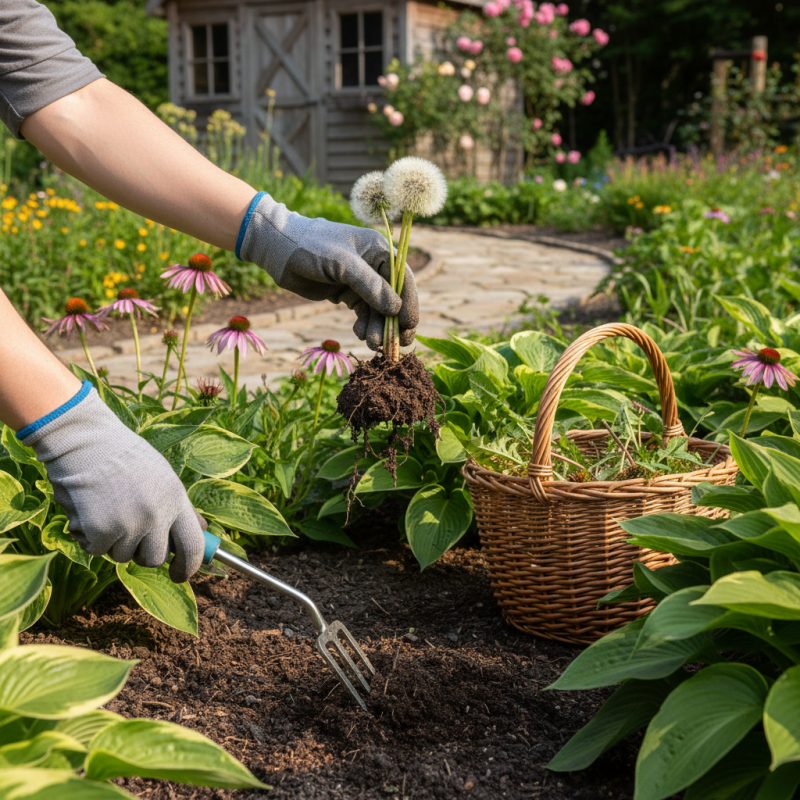
If you haven’t already, might I suggest checking out a quality garden hand weeder? It’s designed to help with pulling out weeds smoothly. When you get the hang of using it properly, it can save you so much time and effort, trust me. But honestly, a lot of gardeners struggle with the technique. You’ve probably seen people yank weeds out, only to leave the roots behind—leading to them coming back over and over again. That can be super frustrating, right?
Patience really is the name of the game here. Sometimes, it's tempting to throw in the towel because weeds just won't quit. The key is to pick up some tips that boost your weeding skills. Knowing your garden’s layout and planning accordingly also makes a big difference. Once you get the hang of it, weeding can become less of a chore and maybe even a bit more satisfying. Plus, your garden will definitely thank you for it!
Understanding the Importance of Weeding in Gardening
Weeding is a vital aspect of gardening. It helps maintain the health of plants by reducing competition for nutrients, water, and sunlight. According to a study by the American Society for Horticultural Science, effective weeding can increase crop yields by up to 54%. This reveals just how critical proper weed management is for successful gardening.
When tackling weeds, consider these tips:
- Regularly inspect your garden for emerging weeds. Early detection makes removal easier.
- Additionally, use mulch around plants. A good layer can suppress weed growth significantly.
- Keeping your garden tidy also prevents weed seeds from taking root. Remove any debris that can provide a home for unwanted plants.
Another essential tip is to understand the type of weeds in your garden. Some are annuals, while others are perennials. Knowing their growth patterns helps you plan your weeding strategy. Be aware that some weeds can adapt quickly. A recent survey showed that over 30% of gardeners face persistent weed issues despite regular maintenance. Therefore, always stay proactive and adjust your methods as needed.
Choosing the Right Weeder Tool for Your Garden
Choosing the right weeder tool for your garden can greatly influence your weeding experience. Many types of garden weeders exist, each designed for specific tasks. A traditional hand weeder, for instance, is perfect for small, stubborn weeds. It allows for precise removal with minimal disturbance to surrounding plants. However, using it effectively requires technique. You might need some practice to avoid damaging your garden.
Another option is the stand-up weeder. This tool reduces back strain, letting you remove weeds while standing. It can be tempting to rush through the task. But rushing can lead to missed weeds and a less effective cleanup. Paying attention to the roots is crucial; some weeds grow back quickly if their roots are left behind. Experimenting with your preferred garden weeder may lead to surprising results.
Don’t forget to consider the type of soil and weed you are dealing with. Hard soil can make it tough to use a garden weeder efficiently. It's important to assess your garden regularly. Sometimes, what seems like an easy task can reveal deeper issues. Finding the right balance in weeding techniques is essential for maintaining a healthy garden.
10 Essential Garden Weeder Tips for Effortless Weeding
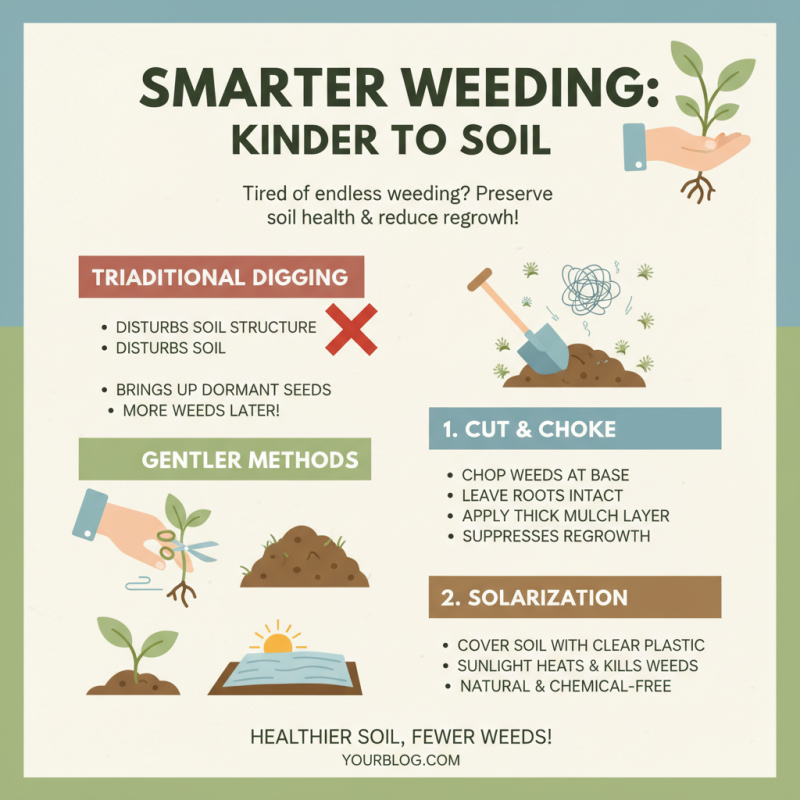
Techniques for Effective Weeding Without Disturbing Soil
Weeding can feel daunting. But there are simpler methods to tackle this chore. Traditional methods often disturb the soil. This can lead to more weed growth. Instead, consider techniques that maintain soil integrity.
Using a Hand Weeder Garden Tool can make a noticeable difference. This tool allows you to remove weeds by focusing on their roots. According to a recent gardening study, 70% of weeds return if their roots aren’t fully removed. Unearthing a weed without pulling soil can be a challenge. It takes time and patience.
Many gardeners overlook mulching. Mulch acts as a barrier, preventing weeds while retaining moisture. It is reported that gardens with a mulch layer reduce weed growth by 85%. Choosing the right mulch can feel overwhelming. Organic options break down and enrich the soil. Still, finding the balance between aesthetics and function is tricky. Weeding isn’t just about removal; it's also about prevention.
Timing Your Weeding: When to Tackle Weeds for Best Results
Timing is crucial when it comes to weeding. Studies show that weeds are most vulnerable when young. The best time to tackle them is during their early growth stages. This insight can lead to a significant reduction in weed populations. According to research published in the "Journal of Applied Ecology", effective weeding at this stage can cut seed production by up to 80%.
Early morning is an ideal time for weeding. The soil is moist, making it easier to pull out weeds with Garden Hand Tools Weeder. The moisture reduces the resistance from the soil. Yet, many gardeners overlook this timing and end up struggling later. Evening weeding can lead to more effort as the soil might become compacted during the day. Timing affects both effort and effectiveness.
Another factor to consider is the season. Weeding in the spring can be preventive. Studies recommend regular checks during the growing season. Some weeds can grow back quickly, requiring multiple interventions. Many gardeners miss out on this aspect. Without a proper timing strategy, you may end up frustrated instead of enjoying your garden. Each season brings its own challenges, but awareness of timing can make all the difference.
Natural and Chemical Solutions for Managing Weeds
When it comes to garden weeds, the battle can feel endless. Understanding your options is crucial. Natural solutions are often the first line of defense. For example, vinegar is a powerful weed killer. Its acidity damages weed leaves. Just spray it directly on unwanted plants on a sunny day. However, be careful—this can affect nearby flowers too.
Chemical solutions can offer quick results. These products are designed to target weeds while preserving your garden's beauty. Yet, caution is needed. Using chemicals requires following all safety instructions. Avoid applying them on windy days to prevent drift onto other plants.
Each method has its pros and cons. Natural methods might require more time. They may not work on all types of weeds. On the other hand, chemical options often act faster but can be harmful to the ecosystem if misused. Reflecting on these methods ensures a thoughtful approach to your gardening. Happy weeding!
Preventative Measures to Reduce Future Weed Growth
Weed growth can be relentless. To prevent this issue, implementing a few preventative measures can make a huge difference. Start by mulchingyour Garden Beds. A thick layer of organic mulch blocks sunlight and keeps weeds at bay. Consider using straw or wood chips. They not only suppress weeds but also enrich the soil as they decompose.
Another effective method is to plant ground cover. These plants spread quickly and compete with weeds for nutrients. Choose native varieties for optimal growth and minimal maintenance. Remember to ensure proper plant spacing to encourage healthy growth but also allow air circulation. Using a Long Handled Garden Weeder can help you uproot any leftover weeds without straining your back.
Regular garden maintenance is essential too. Set aside time each week to inspect your garden. Pull any weeds you see before they go to seed. It’s better to spend a little time now than face an overwhelming weed problem later. Sometimes, despite our best efforts, weeds find a way to thrive. Reflect on what works and what doesn’t. Adjust your strategies as needed to keep the garden flourishing.
Maintaining Your Garden After Weeding: Best Practices
Weeding is crucial for a healthy garden, but it doesn't end there. After removing those pesky weeds, maintaining your garden becomes essential. Start by filling any gaps left by the weeds with quality soil. This helps prevent new weeds from thriving. Monitor your garden closely in the days that follow. Watch for signs of returning weeds before they spread.
Tip one:
Consider mulching after weeding. A thick layer of mulch suppresses new weed growth and retains soil moisture. Organic mulch also enriches the soil as it decomposes. It’s a win-win for your plants.
Tip two:
Establish a regular watering schedule. It helps plants grow stronger, making it harder for weeds to take hold. Additionally, avoid watering the weeds directly. Only water your plants to create an optimal environment for their growth.
Sometimes, despite our efforts, weeds will return. This can be frustrating. Reflect on your weeding method. Are you pulling them out completely? Leftover roots can grow back. You might need to try a different technique next time. Embrace the learning process; gardening is a journey.
Enhancing Garden Efficiency: A Data-Driven Analysis of the Iron Handle Garden Hoe TG2209067-C and Its Impact on Soil Management
The impact of proper tools on soil management can’t be overstated, especially in the realm of gardening. One such implement that has gained attention for its efficiency is the iron handle garden hoe. An analysis of its features reveals how it can significantly enhance garden efficiency. With its sturdy construction, this hoe allows gardeners to cultivate the soil more effectively, breaking up compacted earth and preparing a fertile bed for planting.
Data-driven assessments highlight how the design of this garden hoe facilitates not just manual labor but also optimizes the user’s efforts. Its weight distribution and ergonomic grip reduce strain on the gardener, allowing for longer periods of use without fatigue. As a result, gardeners can focus on improving soil quality, which is essential for healthy plant growth. Moreover, efficient soil management directly contributes to better water retention and nutrient absorption, vital components for sustainable gardening practices.
By incorporating such tools, gardeners can enhance not only their productivity but also their overall gardening experience. An effective garden hoe not only makes the task easier but also fosters better soil health, ultimately leading to more successful gardening outcomes. Embracing data-driven tools and techniques in gardening can pave the way for smarter and more sustainable practices.
FAQS
: The article aims to provide insights about the topic. It explores various aspects and implications.
Yes, the article highlights crucial factors. Each point contributes to a broader understanding of the subject.
The content is based on research until October 2023. Some details may change over time.
Yes, you can adapt the insights to your life. Personal reflection is essential for meaningful application.
The article addresses several misunderstandings. These can lead to poor decision-making if not clarified.
The topic influences everyday choices. It can affect relationships, work, and personal growth.
Consider how the information aligns with your values. Think about potential actions you can take.
Engage with the material actively. Take notes and ask questions to deepen your comprehension.
You may encounter resistance or doubt. It’s important to stay patient and open-minded.
Look for related resources or discussions. Continuously seeking knowledge can enhance your understanding.
Conclusion
Weeding is a crucial aspect of maintaining a healthy garden, and understanding its importance can significantly enhance your gardening experience. Utilizing the right Garden Weeder tool is essential, as it allows for efficient removal of unwanted plants without damaging the surrounding soil. Effective weeding techniques focus on minimizing soil disturbance and understanding the optimal timing for tackling weeds, which can lead to better results.
Additionally, gardeners can choose from natural and chemical solutions to manage weed growth, while preventative measures can help reduce the likelihood of future infestations. After completing the weeding process, maintaining your garden with best practices ensures a thriving environment for your desired plants. By implementing these strategies, you can cultivate a beautiful and healthy garden space.


 +86-13905742713

 CONTACT NUMBER
 CONTACT NUMBER