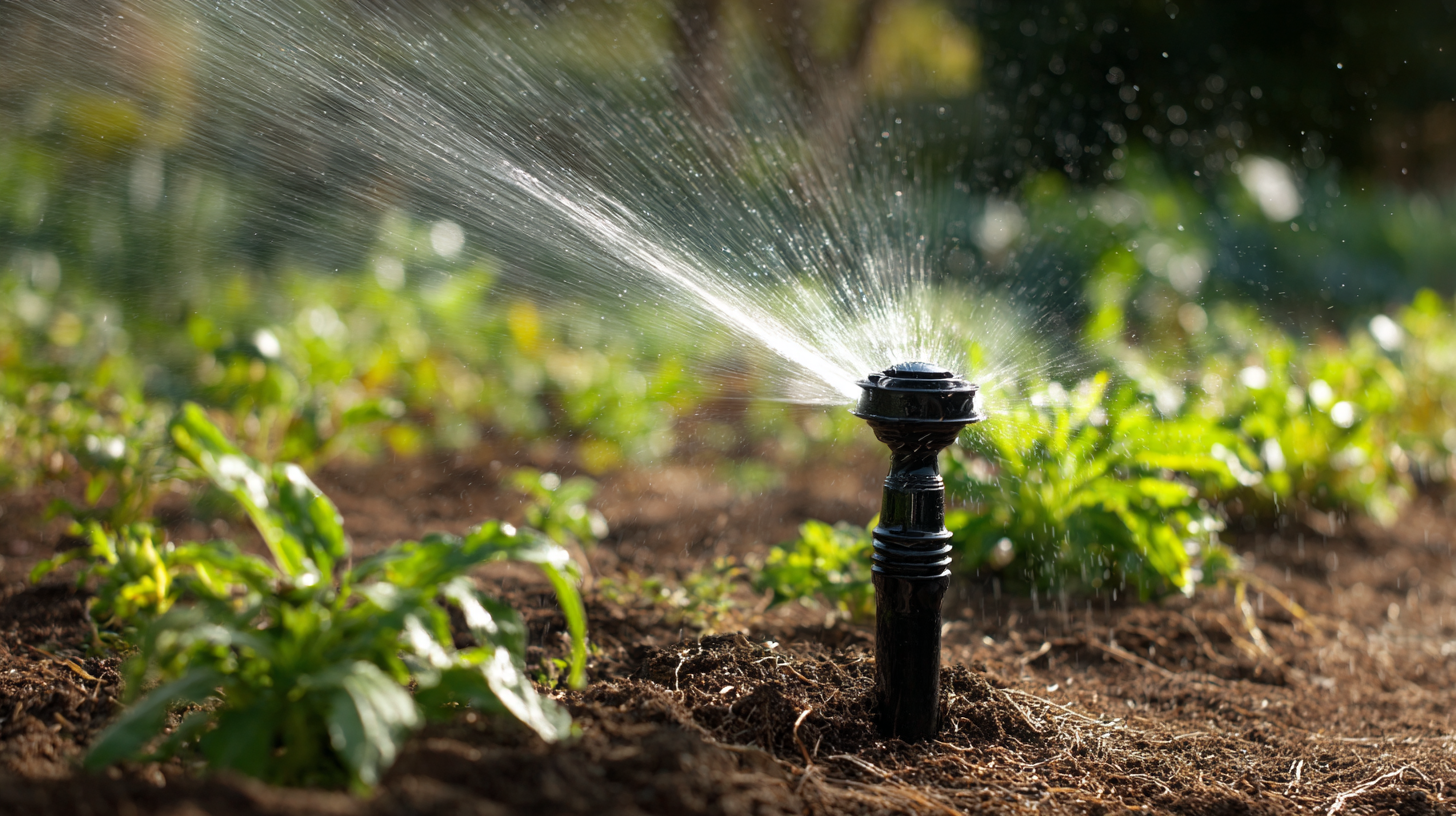
Picking the right garden sprinklers really makes a difference when it comes to keeping your plants happy and healthy. These days, it’s pretty clear that more people are paying attention to just how important smart watering is — industry reports show that globally, the market for irrigation stuff like sprinklers is gonna hit around $8.3 billion by 2025. That’s a big deal, and it shows folks are more aware of how crucial it is to use water wisely for greener, more sustainable gardens. Whether you’ve got a tiny veggie patch or a huge lawn, the right sprinkler system can help you get the most out of your water and make sure every plant gets enough to drink. 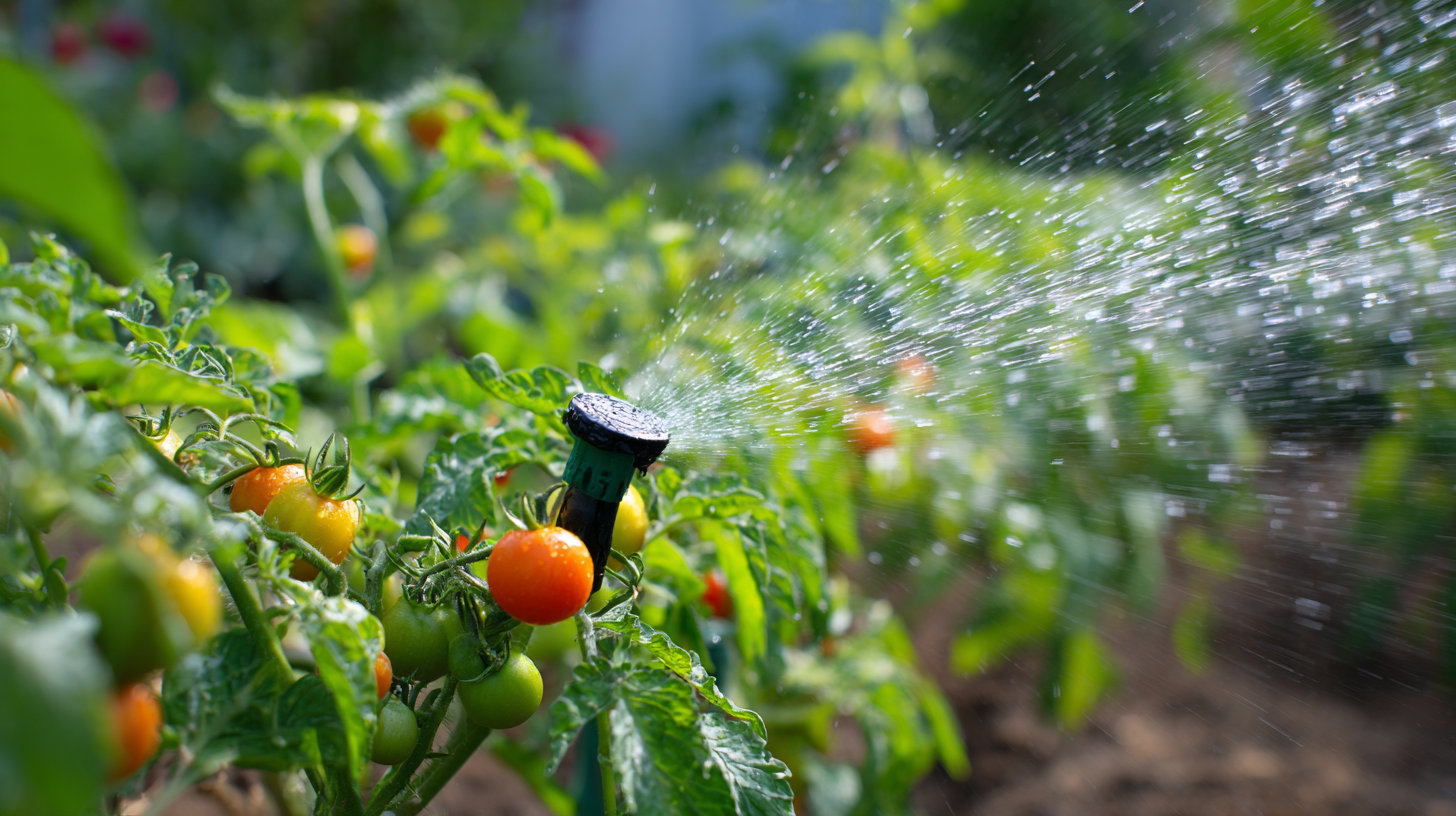 Here at Ningbo Vertak Mechanical & Electronic Co., Ltd, we’ve got loads of experience in garden machinery and hand tools, so we’re confident we can offer top-notch sprinklers that fit all kinds of garden setups. This little guide should help you understand the options out there, so you can pick something that matches your gardening goals — and is good for the environment too.
Understanding Your Garden's Watering Requirements
When you're picking out the perfect garden sprinkler, it's really important to understand what your garden actually needs when it comes to watering. A good irrigation system isn’t just about saving water — it’s about making sure your plants aren’t thirsting for too much or too little. Did you know that over 80% of agricultural land and natural grasslands in the EU-27 are battling moderate to severe soil erosion? And poor watering practices can definitely make that worse. Timing your watering just right can help keep the soil stable, prevent erosion, and even boost the organic matter that makes your garden healthier.
Oh, and here’s something interesting—knowing how plants respond to vapor pressure deficit (VPD) can really make a difference in how you water. Studies show that plants that have traits to limit transpiration when VPD is high can actually lead to better yields, especially if water's a bit scarce where you are. When choosing your sprinkler, think about your soil type too. For example, if you have clay soil, adding organic matter can help it hold onto water better and cut down on runoff. Overall, picking the right sprinkler—something that suits your specific plants and soil—will do wonders in creating a vibrant, healthy garden. Trust me, a little bit of thought goes a long way!
Watering Needs of Different Plant Types
Types of Garden Sprinklers: Choosing the Right One for Your Plants
So, when you're trying to pick out the perfect garden sprinkler, it's pretty important to get how the different types work. There are mainly four kinds: stationary, oscillating, impact, and traveling sprinklers. According to the folks over at the American Society of Agricultural and Biological Engineers, oscillating sprinklers are really good at watering large rectangular patches evenly—no surprise they’re a go-to for homeowners with big gardens. They usually cover around 3,000 to 4,000 square feet, so they get the job done efficiently without wasting too much water.
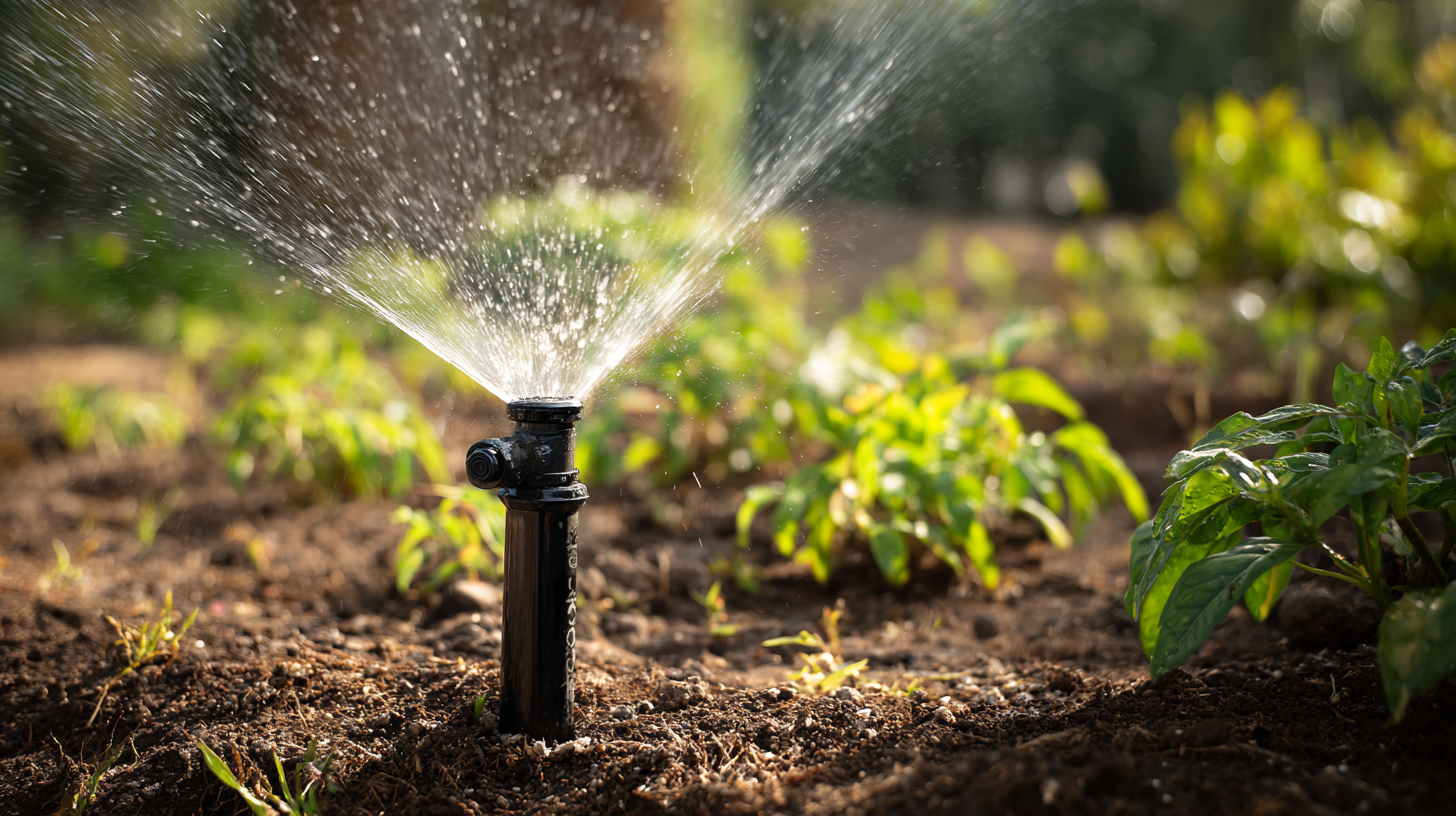
On the flip side, impact sprinklers are known for being pretty tough. They're perfect if you've got uneven terrain or a really big yard because they can spray water pretty far—up to 50 feet—and have adjustable patterns, which is a big plus. If you’ve got a small garden, flower beds, or vegetable patches, stationary sprinklers can be great because they target just the right spots without over-watering everything nearby. Basically, knowing what’s out there helps you pick the right sprinkler—one that keeps your plants happy and saves you water at the same time.
Key Features to Consider When Selecting a Sprinkler
So, if you're trying to pick out the perfect sprinkler for your garden, there are a few important things to keep in mind. First off, think about the size of your yard and what kind of plants you're growing. Different sprinklers have different coverage areas and spray patterns—like, oscillating ones are great for big lawns, while drip systems are better for watering specific spots like flower beds or veggie patches. Getting a good idea of how much space you need to water can really help you narrow down the right type of sprinkler.
Another thing to check out is whether it has adjustable spray settings. Lots of newer sprinklers let you customize the spray distance and angle, so you can avoid soaking delicate seedlings and still make sure your bigger plants get enough water. Oh, and don’t forget about the build! Choosing a sprinkler made from sturdy materials like metal or heavy-duty plastic can make a big difference in how well it handles outdoor weather—no one wants it breaking after just a season. By paying attention to these little details, you'll find a sprinkler that matches your watering needs and keeps your garden thriving.
Setting Up Your Sprinkler System for Maximum Efficiency
Hey, when you're setting up your sprinkler system to get the most out of it, it's a good idea to think about your garden's layout and the kinds of plants you've got. Start by figuring out how much water each type of plant needs—because, honestly, they don’t all require the same amount. Try grouping plants with similar watering needs together. That way, you’re not overdoing it on some and under-watering others, plus it helps save water by just targeting the areas that actually need it.
Another thing I’d suggest is grabbing a timer or a smart controller. These gadgets can really make your life easier—they let you set up watering schedules based on the weather or how moist the soil is, so your plants get just the right amount at just the right time. And don’t forget about drip irrigation, especially for Garden Beds and those potted plants. It’s super efficient because it delivers water straight to the roots, which cuts down on evaporation and runoff. All in all, with these tips, you’ll have a reliable, water-smart sprinkler system that keeps your garden happy and healthy without wasting a drop.
How to Choose the Perfect Garden Sprinkler for Your Planting Needs - Setting Up Your Sprinkler System for Maximum Efficiency
| Sprinkler Type | Water Coverage (sq ft) | Watering Method | Ideal for | Efficiency Rating |
| Oscillating Sprinkler | Up to 3,600 | Mist | Lawns, Flowerbeds | High |
| Stationary Sprinkler | Up to 1,500 | Spray | Small Areas | Medium |
| Rotary Sprinkler | Up to 4,500 | Rotating Spray | Medium to Large Lawns | Very High |
| Drip Irrigation | N/A | Drip | Vegetable Gardens, Flower Beds | Extremely High |
| Soaker Hose | N/A | Soak | Rowed Gardens | High |
Maintenance Tips to Keep Your Sprinkler in Top Condition
Taking good care of your garden sprinkler is really key if you want it to work well and last for a long time. I read somewhere that with proper upkeep, your irrigation system can be about 30% more efficient – pretty impressive, right? Just a quick tip: checking and cleaning those sprinkler heads every now and then can really help prevent clogs. Clogs are quite common and tend to mess with how much water gets sprayed out and where it lands. Spending just a few minutes once a month with a soft cloth or a little brush can keep everything flowing smoothly.
And don’t forget to keep an eye out for leaks or broken parts. Even tiny leaks can waste a ton of water – I think I saw a stat that a small leak can waste up to 10,000 gallons a year. That’s a lot! So, make it a habit to inspect your hoses and connections regularly, making sure everything’s tight and in good shape. If you spot anything worn out, it’s best to replace it right away to avoid more headaches down the line.
Oh, and one more thing — adjusting your watering schedule with the seasons can make a big difference. For example, in the summer, you'd want to water more often to dodge drought stress, but come fall, you can dial back since your plants don’t need quite as much moisture. By tweaking your system based on the weather, you’ll not only save water but also keep your plants happy and healthy.
Common Mistakes to Avoid When Using Garden Sprinklers
When you’re using garden sprinklers, it’s pretty common for homeowners to mess up a few things—things that can actually make watering less effective or even hurt your plants. One big mistake I see a lot is over-watering. People tend to leave the sprinklers on way too long, which can soak the soil too much and end up suffocating the roots, sometimes even causing rot. To avoid that, it’s a good idea to set a timer or use soil moisture sensors—whatever works—so you’re watering based on what your plants really need instead of just guessing.
Another thing that often gets overlooked is how you position the sprinkler. If you place it too close to your plants, the constant water pressure can actually damage those delicate leaves and stems. On the flip side, if it’s too far away, you might end up with uneven watering—some spots get soaked, while others stay dry. Taking a minute to test and tweak the sprinkler’s position can do wonders for making sure every part of your garden gets the right amount of water. Honestly, a little effort here can make a huge difference in keeping your garden healthy and happy.
FAQS
: Understanding your garden's watering requirements is crucial as it helps conserve water and ensures adequate moisture for plant health, which can mitigate soil erosion and enhance organic matter retention.
Transpiration affects how plants respond to vapor pressure deficit (VPD), and understanding this can help optimize watering strategies to enhance crop yields, especially in water-limited environments.
Different soil types retain water differently; for example, improving clay soil with organic matter can enhance water retention. It's important to select a sprinkler that meets the specific conditions of your soil and plants.
Important features to consider include the size of your garden, the type of plants you have, adjustable spray settings, and the durability of the sprinkler’s materials.
Oscillating sprinklers are suitable for larger lawns, while drip systems are ideal for targeted watering in flower beds or vegetable gardens.
Common mistakes include over-watering, neglecting to position the sprinkler correctly, and failing to adjust watering times to match the specific needs of the plants.
To prevent over-watering, it's essential to set a timer or use soil moisture sensors to align the watering schedule with your plants' specific needs.
Incorrect positioning can lead to either damaging delicate foliage from excessive water pressure or failing to adequately water areas of your garden, resulting in uneven moisture distribution.
Adjustable spray settings allow for customized control of water distance and angle, ensuring that delicate seedlings are not overwhelmed while larger plants receive sufficient water.
Sprinklers made from durable materials like metal or heavy-duty plastic tend to withstand outdoor conditions better than flimsy alternatives, resulting in a longer-lasting investment for your garden.
Conclusion
Picking the right garden sprinkler really matters if you want your plants to stay happy and healthy. The first step? Getting to know exactly what your garden needs when it comes to watering. With so many types of sprinklers out there, it can feel a bit overwhelming, but choosing one that fits your specific planting setup can make a huge difference. Keep an eye on things like how much area the sprinkler covers, the water pressure it requires, and whether you can adjust it easily—that stuff really matters when making your choice.
Setting up your sprinkler system smartly is just as important. Proper placement means your water gets distributed evenly, and you’re not wasting it. Also, don’t forget to do regular check-ups—cleaning and maintaining your sprinklers helps them run smoothly and prevents issues down the line. Avoiding common mistakes like overwatering or installing everything haphazardly will actually keep your garden thriving.
By the way, at Ningbo Vertak Mechanical & Electronic Co., Ltd, we’ve got a pretty solid selection of high-quality garden sprinklers and equipment to help you put together the perfect watering setup for your outdoor space.


 +86-13905742713

 CONTACT NUMBER
 CONTACT NUMBER