Picking the right tool for your garden can definitely feel overwhelming at times, right? I mean, there are so many options out there! Gardening expert John Smith from Green Thumb Tools mentions that a good Hand Garden Cultivator Tiller really can make a big difference when you're planting. There's a lot to consider—what actually makes a cultivator tiller effective? Well, understanding that is key to choosing the right one.
A Hand Garden Cultivator Tiller is mainly designed to loosen and break up soil, making it easier to plant seeds or set out new plants. There are quite a few models out there—some are super lightweight and easy to handle, while others are sturdier and built for bigger jobs. The best choice often depends on the size of your garden and the type of soil you’re dealing with.
Honestly, not all tillers are created equal. Some disappoint after just a few uses, which is frustrating. That’s why it's really important to think about durability and how easy it is to handle. Look for features like adjustable tines and how comfortable it feels when you’re using it—you’re gonna be holding it for a while, after all! When you find the right Hand Garden Cultivator Tiller that fits you, gardening becomes so much easier, and you’ll actually enjoy watching your garden thrive. Trust me, it’s worth the effort!
Factors to Consider When Selecting a Hand Garden Cultivator Tiller
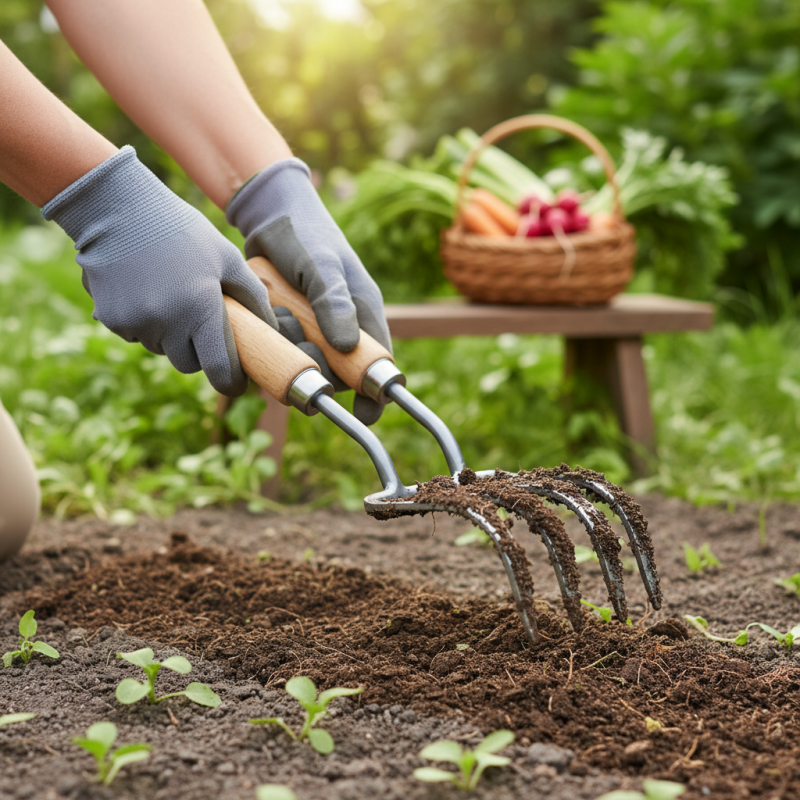
Choosing the right hand garden cultivator tiller can be challenging. Start by considering the size of your garden. A small garden may only require a lightweight compact tool. Larger gardens may need something more robust. Handle length also matters. Look for a comfortable grip that can prevent strain during longer use.
The type of soil is another crucial factor. Soft, loamy soil is easier to cultivate than heavy clay. If your soil is tough, you may need a sturdier tiller. Pay attention to the blade design as well. Sharp, well-designed blades will make your work much easier. Consider how often you'll use it. You might need a tool that can withstand regular wear and tear.
Ease of use is vital when making your choice. Some tools are heavier or awkward to maneuver. This can lead to frustration and inefficiency in the garden. Check for weight balance. A well-balanced cultivator can reduce fatigue. Don’t overlook your budget. Higher quality may come at a price, but cheaper options may not last. Think about your needs, and choose wisely.
The Importance of Cultivator Tiller Width for Efficient Soil Aeration
Choosing the right width for a cultivator tiller is crucial for effective soil aeration. A well-aerated soil promotes better root growth. It ensures nutrients and water can reach plant roots. The width of the cultivator tiller plays a significant role in this process. Wider tillers may seem efficient, but they can be cumbersome. Navigating through tight spaces can become a challenge.
For smaller gardens, a narrow garden hand cultivator can be beneficial. It allows for better precision and control. You can avoid damaging nearby plants. A wider tiller may quickly aerate larger areas but can compact soil along the edges. This could hurt the very plants you are trying to help. Balancing efficiency with plant safety is key.
It's essential to think about your garden's specific needs. Consider the types of plants you are growing. A garden hand cultivator should cater to those requirements. Experimenting with different widths might lead to a better understanding. What works for one may not work for another. Listening to your garden is important.
Evaluating Tiller Depth Settings for Optimal Seed Bed Preparation
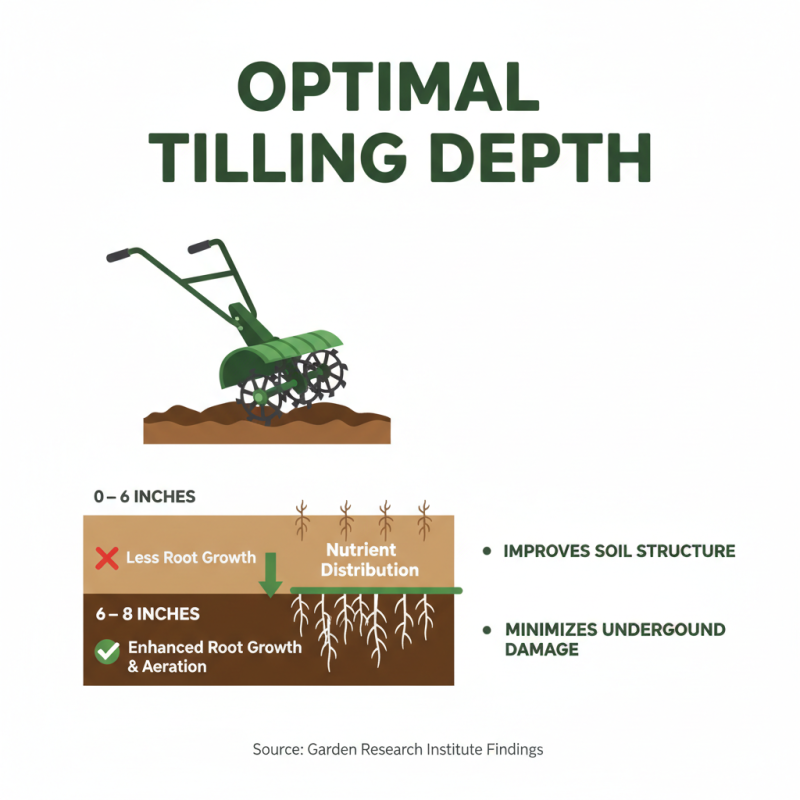
When selecting a hand garden cultivator tiller, understanding tiller depth settings is crucial. Tilling at the correct depth can improve soil aeration and nutrient distribution. Research indicates that a tilling depth of 6 to 8 inches is optimal for most garden crops. This range enhances root growth while minimizing the risk of damaging underground structures.
One common mistake gardeners make is tilling too deep. Deep tilling can disturb soil layers, leading to compaction. Compact soil retains less water and can hinder root development. Pay attention to your soil type. Sandy soils may require less depth than clay soils. Adjust your tiller settings to suit your garden's needs.
Tip: Always test tiller depth on a small section before extensive tilling. Observe how your plants respond in the following weeks. This practice helps you find the right balance for your garden. Be flexible and ready to adjust as you learn more about your soil.
Remember, ideal tilling conditions change with the season. Observe how moisture and temperature affect soil behavior. Adapt your technique accordingly to ensure seedlings thrive. This reflection will lead to better gardening outcomes.
Material Quality: Understanding Metal versus Plastic Components in Tillers
When selecting a hand Garden Cultivator tiller, understanding material quality is essential. Metal components are often more durable than plastic. They withstand heavy use and harsh conditions. A well-built metal garden cultivator can last for many seasons. Plastic may be lighter and cheaper, but it tends to wear out faster. This can lead to breakage when digging tough soil.
Tips for choosing the right material: Look for stainless steel or high-carbon steel for durability. If you opt for plastic, check for high-quality composites designed for tough tasks. Pay attention to the handle grips as well. Metal handles may provide better leverage but can be uncomfortable without padded grips. Consider your comfort and the type of soil you typically work with.
Consider your gardening habits too. If you tend to garden often, investing in a sturdy metal cultivator is wise. On the other hand, occasional users might prefer a lightweight model made of plastic. Reflect on your needs and make a choice accordingly. A thoughtful decision saves time and effort in the long run.
User Comfort and Ergonomics in Hand Cultivator Tiller Design
When selecting a hand garden cultivator tiller, user comfort and ergonomics are crucial. A well-designed tool reduces strain and fatigue during gardening tasks. Look for cultivators with comfortable grips that fit the hand well. Rubberized or padded handles often provide better support. Some designs feature adjustable lengths for personalized use, catering to different heights and reducing back strain.
Weight also matters. Lightweight tools are easier to maneuver, especially for extended periods. However, a too-light cultivator may lack durability. Balancing weight and sturdiness requires careful consideration. Additionally, look for tines that are easy to control. Tines that dig too deep can lead to unwanted soil disturbance. Test various designs to find what feels right.
Lastly, reflect on your gardening habits. An ergonomically designed tool might not suit everyone. Personal preferences play a significant role. For those who engage in heavy-duty work, a Garden Power Cultivator could be a better fit. However, for lighter tasks, a simple hand tiller may suffice. Always prioritize comfort, as it directly affects your gardening experience.
Power Source Options: Manual, Battery-Operated, and Gas-Powered Tillers
Choosing the right power source for a hand garden cultivator tiller can be challenging. You have options: manual, battery-operated, and gas-powered. Each has its pros and cons that deserve a closer look. Manual tillers provide a workout. They require more physical effort, but they are quiet and eco-friendly. However, they may not be ideal for large gardens.
Battery-operated tillers offer convenience. They are lightweight and easy to use. You can work without the hassle of cords. Yet, battery life may be a limitation. Continuous use can deplete the battery quickly. This can interrupt your gardening flow. Always check the specifications before making a choice.
Gas-powered tillers are powerful and efficient. They can handle tougher soil conditions. But they come with downsides, such as maintenance and emissions. They are louder, and they require fuel. For those who prefer quieter options, this could be a concern. Reflect on your gardening needs before deciding. Consider what suits your style best. If reliability matters, consider options from manufacturers like China Top Garden Cultivator Factory.
How to Choose the Best Hand Garden Cultivator Tiller? - Power Source Options
| Power Source | Weight | Runtime | Noise Level | Ease of Use | Price Range |
| Manual | 2-5 lbs | N/A | Silent | Very Easy | $10 - $50 |
| Battery-Operated | 5-10 lbs | 30-120 minutes | Moderate | Easy | $50 - $300 |
| Gas-Powered | 10-15 lbs | Unlimited (with fuel) | Loud | Moderate Complexity | $150 - $600 |
Comparative Performance: Reviews and Ratings of Top Cultivator Brands
When it comes to selecting the best hand garden cultivator tiller, reviews and ratings play a crucial role. Many brands offer various features designed to enhance performance. However, not all models are equally effective. Some users report that certain cultivators struggle in compacted soil. It's essential to read user experiences to gauge how well a product performs under real conditions.
Comparative performance is about more than just features. Comfort and ease of use are key factors too. Some cultivators are lightweight and easy to maneuver. Others may have ergonomic handles that reduce strain during prolonged use. However, not every cultivator will meet individual preferences. A tool that works well for one gardener might feel awkward for another. This highlights the importance of personal testing.
Ratings can sometimes be misleading. A model may have high stars but fall short in specific tasks. A review mentioning difficulty with particular soil types can be invaluable. It's helpful to focus on details shared by users. Performance in different conditions can vary significantly. Learning from others’ experiences helps inform better choices.
Enhancing Gardening Efficiency: Insights from the Latest Ergonomic Tools Report on the Long Handle Ergonomic D-Grip Garden Weeder
Gardening is not only a rewarding hobby but also a task that often demands physical effort. The latest report on ergonomic tools emphasizes the significance of using tools that minimize strain and enhance efficiency. One such tool highlighted is the long handle ergonomic D-grip garden weeder, designed to help gardeners tackle tough weeds while maintaining optimal posture and comfort. The ergonomic design of the handle allows for a natural grip, reducing wrist strain and enabling users to apply greater force without discomfort.
The long handle feature extends the gardener's reach, reducing the need for frequent bending or kneeling, which can lead to back pain over time. This thoughtful design element promotes better body mechanics, allowing for a more efficient weeding process. Moreover, the D-grip provides stability and control, enhancing grip strength during use. This is especially beneficial for those with limited hand strength, ensuring that gardening remains an inclusive activity.
Incorporating such ergonomic tools into gardening routines can significantly enhance productivity while promoting better health practices. As more gardeners embrace the importance of ergonomics, the quest for efficiency without sacrificing well-being becomes increasingly attainable. The long handle ergonomic D-grip garden weeder stands out as a prime example of how innovative design can transform gardening into a more accessible and enjoyable experience.
FAQS
: This product aims to enhance everyday experiences. It focuses on convenience and ease of use.
Follow the instructions provided. Start with small amounts and adjust as needed.
Some users report minor irritations. It’s best to test on a small area first.
Not everyone may benefit equally. Individuals with specific conditions should consult a professional.
Keep it in a cool, dry place. Avoid direct sunlight to maintain quality.
Overusing is a frequent error. Users often expect immediate results without proper patience.
Results vary by individual. Some may notice changes quickly, while others may need more time.
Discontinue use immediately. Consult a healthcare professional for advice on next steps.
It depends on the individual's needs. Start with recommended guidelines and adjust as necessary.
Caution is advised. Mixing can lead to unexpected reactions. Always test new combinations carefully.
Conclusion
When selecting the best Hand Garden Cultivator Tiller, several key factors must be considered to ensure optimal performance and user satisfaction. One important aspect is the width of the tiller, which plays a significant role in soil aeration efficiency. Additionally, evaluating the depth settings is crucial for effective seed bed preparation, allowing for the appropriate incorporation of seeds into the soil.
Material quality is another critical consideration, as understanding the differences between metal and plastic components can influence durability and longevity. User comfort and ergonomics should not be overlooked, as a well-designed tiller can reduce strain during use. Furthermore, potential buyers should explore various power source options, including manual, battery-operated, and gas-powered models, to find the most suitable for their gardening needs. By considering these factors and consulting reviews and ratings, gardeners can make informed decisions on their Hand Garden Cultivator Tiller, ensuring a productive gardening experience.


 +86-13905742713

 CONTACT NUMBER
 CONTACT NUMBER