If you're serious about keeping your lawn looking sharp, a good quality grass trimmer is pretty much a must-have for any homeowner. Honestly, with so many options out there, it can feel kinda overwhelming trying to pick the right one. That’s why it helps to understand the different types, features, and functions before you spend your hard-earned cash. This guide's here to make things easier — I’m sharing the top ten grass trimmers, along with some tips to help you find the perfect match for your yard.
A grass trimmer, sometimes called a string trimmer or weed eater, is super handy for getting those tricky spots of grass and weeds that are hard to reach with a mower. Whether you’ve got a big sprawling garden or just a tiny yard, this tool can really make your life easier by keeping everything neat and tidy. In this guide, we’ll talk about the main things you should think about — like whether it’s battery-powered or gas, how wide the cut is, how heavy it feels, and how easy it is to use — so you can make a smart choice that fits your lawn care style and needs.
Understanding the Importance of Grass Trimmers in Lawn Care
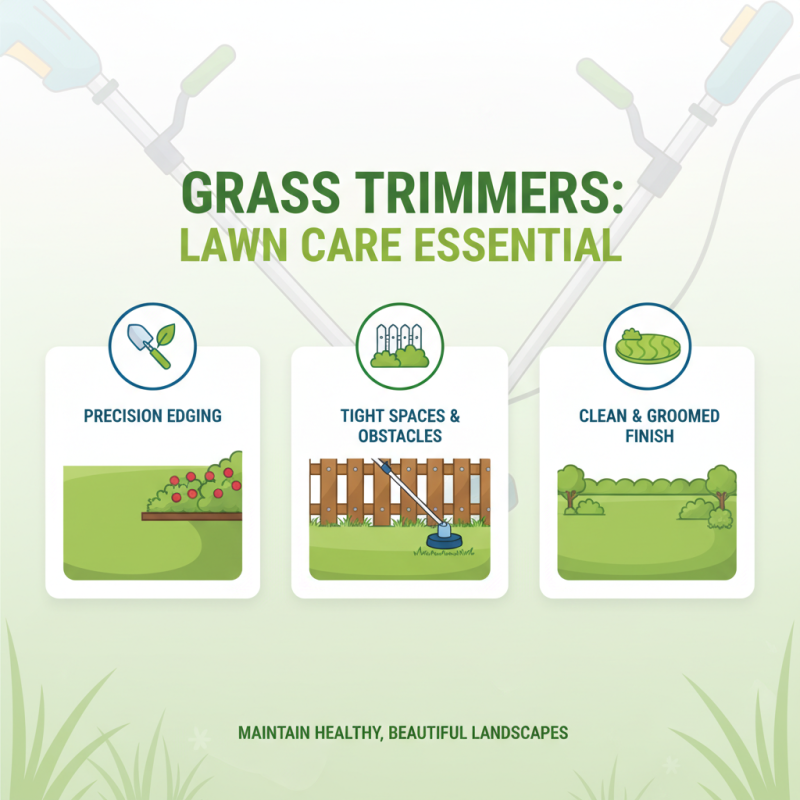
Grass trimmers are an essential tool in lawn care, playing a crucial role in maintaining the appearance and health of residential and commercial landscapes. Unlike traditional lawnmowers that can struggle with edges and tight spaces, grass trimmers, also known as string trimmers, provide the precision needed to manage overgrown grass and weeds. This allows for a clean finish around flower beds, fences, and other obstacles, ensuring that the entire lawn looks well-groomed and cared for.
The importance of grass trimmers extends beyond aesthetics. Regular trimming helps prevent pests and diseases by removing unwanted vegetation that can harbor harmful insects or pathogens. Additionally, keeping grass at an appropriate height encourages healthier growth, as it facilitates better sunlight penetration and promotes air circulation. With various options available in the market, understanding the specific needs of your lawn is vital in selecting the right trimmer. This includes considering factors such as the size of the area to be tended, the type of vegetation, and the ease of use, ensuring that your lawn care routine remains efficient and effective.
Types of Grass Trimmers: Electric, Gas, and Battery-Powered Options
When selecting a grass trimmer for your lawn care, it's essential to understand the different types available: electric, gas, and battery-powered options. Each type has its unique advantages and is suited for specific needs and preferences.
Electric grass trimmers are known for their lightweight design and ease of use. They are ideal for smaller yards and light maintenance tasks. With minimal noise and low emissions, electric models contribute to a more environmentally friendly approach to lawn care. They usually require a power outlet, so you might need an extension cord for larger areas. However, advancements in corded electric designs have made them efficient for various trimming needs.
Gas-powered trimmers are the go-to choice for larger properties and heavy-duty work. They offer superior power and runtime, allowing you to tackle thick weeds and overgrown grass with ease. However, they tend to be heavier and require more maintenance, such as fuel mixing and regular oil changes. This makes them less appealing for casual users but perfect for those who need robust performance.
Battery-powered trimmers have gained popularity due to their combination of convenience and performance. They provide the freedom of a gas trimmer without the hassle of cords, making them highly portable. With improvements in battery technology, many models now offer long run times and quick recharge capabilities, striking a perfect balance between power and ease of use. Ideal for homeowners seeking a good mix of both worlds, battery-powered options may very well be the future of grass trimming.
Key Features to Consider When Choosing a Grass Trimmer
When selecting the best grass trimmer for lawn care, several key features should be carefully evaluated to ensure an optimal choice for your specific needs. One of the most crucial attributes is cutting width. According to a report from the National Association of Landscape Professionals, trimmers with a wider cutting width can significantly reduce trimming time, making them ideal for larger lawns. Typically, grass trimmers come with cutting widths ranging from 10 to 16 inches, so understanding the size of your property will help you select an appropriately sized trimmer.
Another important consideration is the type of power source: electric, battery-operated, or gas-powered. A study by the Lawn Care Industry Research showed that about 45% of homeowners prefer battery-operated trimmers due to their lightweight design and ease of use, especially for residential homeowners.
Battery-powered models also offer increased environmental benefits, generating fewer emissions compared to gas models. For users dealing with dense vegetation or larger properties, gas-powered trimmers may still be the preferred option, despite their heavier weight and maintenance requirements. Additionally, examining the trimmer's weight is crucial, as a lighter model enhances maneuverability and reduces user fatigue during extended use, particularly for those who have larger areas to maintain.
Comparative Analysis of Top 10 Grass Trimmers on the Market
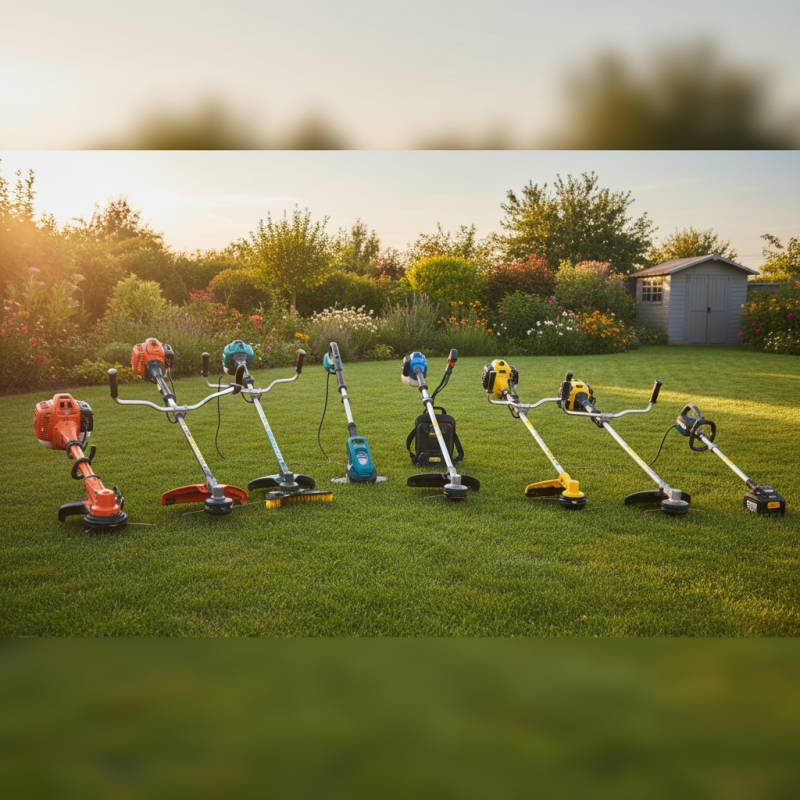
When selecting the best grass trimmer for your lawn care needs, a comparative analysis of the top 10 models on the market reveals significant differences in performance, weight, and power source. Recent industry reports indicate that electric trimmers account for over 40% of sales, driven by their eco-friendly appeal and ease of use. Gas-powered options, while traditionally favored for their power, are facing increased scrutiny due to emissions. A study by the Lawn and Garden Equipment Manufacturers Association highlights that battery technology is rapidly advancing, allowing cordless models to provide longer run times, comparable to their gas counterparts, making them an excellent choice for residential users focused on sustainability.
When choosing a grass trimmer, consider the size of your lawn and the thickness of the grass. For small to medium-sized yards, a lightweight electric trimmer may suffice, offering ease of maneuverability and lower maintenance costs. Conversely, larger properties with thicker vegetation might benefit from the robust capabilities of gas-powered models.
Tips: Always test the weight and balance of a trimmer before purchasing, as comfort during use is crucial for longer yard work sessions. Additionally, assess the trimming width and line diameter, as these factors directly influence cutting efficiency. For best results, opt for trimmers with easy line-loading systems to reduce downtime during upkeep.
Top 10 Grass Trimmers: Comparative Analysis
| Model | Power Source | Cutting Width (inches) | Weight (lbs) | Noise Level (dB) | Price ($) |
| Trimmer A | Battery | 12 | 6.5 | 65 | 150 |
| Trimmer B | Gas | 18 | 8.5 | 75 | 200 |
| Trimmer C | Electric | 14 | 7.0 | 60 | 120 |
| Trimmer D | Battery | 16 | 7.8 | 68 | 170 |
| Trimmer E | Gas | 20 | 10.0 | 78 | 220 |
| Trimmer F | Electric | 15 | 6.0 | 62 | 130 |
| Trimmer G | Battery | 14 | 5.5 | 64 | 140 |
| Trimmer H | Gas | 19 | 9.5 | 77 | 210 |
| Trimmer I | Electric | 16 | 7.3 | 66 | 125 |
| Trimmer J | Battery | 17 | 6.2 | 63 | 155 |
How to Use a Grass Trimmer Safely and Effectively
Using a grass trimmer can be an essential part of maintaining a neat and tidy lawn, but safety and effectiveness should always be your top priorities. Before starting, it's crucial to equip yourself with the right protective gear. This includes:
- Safety goggles to shield your eyes from debris
- Long pants to protect your legs
- Gloves for grip
- Sturdy footwear
Additionally, inspect the trimmer for any damaged parts and ensure that the cutting line is correctly installed and in good condition.
When trimming, maintain a proper stance to control the tool effectively. Hold the trimmer with both hands, keeping it at a comfortable angle, and begin with a low speed to grasp its handling. Work slowly and deliberately, especially around obstacles like trees or flower beds, to avoid injury and damage. Always be aware of your surroundings and keep pets and children at a safe distance. After use, remember to store the trimmer in a clean, dry place and conduct regular maintenance checks, keeping it in good working order for future use.
Maintenance Tips to Extend the Life of Your Grass Trimmer
Maintaining your grass trimmer is essential for ensuring its longevity and optimal performance. Regular maintenance not only extends the life of the trimmer but can also enhance its efficiency, saving you time and effort in the long run. According to industry studies, well-maintained trimmers can perform up to 30% better than those that have not undergone proper upkeep. Simple tasks such as cleaning the air filter and ensuring that the blade remains sharp can significantly improve cutting performance and reduce strain on the motor.
Another important aspect of maintenance is proper storage. Keeping your trimmer in a dry, sheltered area can prevent rust and corrosion, which are common issues that plague outdoor equipment. According to a report by the American Society for Horticultural Science, improper storage conditions can reduce the lifespan of lawn equipment by up to 50%. Additionally, checking and replacing spark plugs as needed, along with using fuel stabilizers during off-seasons, can greatly contribute to your trimmer’s overall health and readiness for when it’s time to tackle your lawn again. By integrating these maintenance tips into your lawn care routine, you'll ensure that your grass trimmer serves you reliably for years to come.
Cost vs. Performance: Finding the Best Value Grass Trimmer for You
When it comes to selecting a grass trimmer, balancing cost and performance is key to finding the best value for your lawn care needs. There are various types of trimmers available, each with different price points and performance capabilities. Electric trimmers are generally more affordable and suitable for light to medium use, while gas-powered models offer greater power and are better for tackling larger areas or tougher vegetation, albeit at a higher cost. Understanding your specific yard size and the nature of the weeds or grass is essential in determining which type suits your requirements.
Additionally, features such as battery life, weight, and maneuverability can impact overall satisfaction. A lightweight trimmer may cost more, but it can significantly ease the physical strain during prolonged use, making maintenance less of a chore. Conversely, a more powerful trimmer may initially appear to offer better performance, but if it exceeds your budget or requires costly maintenance, it may not represent true value. Ultimately, thoroughly evaluating these factors will help ensure that you choose a grass trimmer that not only fits your budget but also meets your lawn care demands efficiently.
Top 10 Grass Trimmers: Cost vs. Performance Analysis
FAQS
: You should wear safety goggles, long pants, gloves, and sturdy footwear to protect yourself from debris and injuries.
Before using the trimmer, inspect it for any damaged parts and ensure that the cutting line is correctly installed and in good condition.
Work slowly and deliberately around obstacles to avoid injury and damage to your surroundings.
Regular maintenance, such as cleaning the air filter, keeping the blade sharp, and storing the trimmer in a dry place, can significantly extend its lifespan.
Storing your trimmer in a sheltered, dry area can prevent rust and corrosion, which can reduce its lifespan by up to 50%.
Regularly check and replace spark plugs as needed, and consider using fuel stabilizers during off-seasons to keep your trimmer in good health.
Balancing cost and performance is crucial; electric trimmers are more affordable for light use, while gas-powered models offer more power for tougher jobs but come at a higher cost.
Consider your yard size, the type of vegetation, battery life, weight, and maneuverability to find the best value for your lawn care needs.
Yes, a lightweight trimmer can ease physical strain during prolonged use, potentially making it a worthwhile investment despite a higher initial cost.
Lack of proper maintenance can lead to decreased efficiency, potentially causing your trimmer to perform up to 30% worse than a well-maintained unit.
Conclusion
Choosing the right grass trimmer is crucial for maintaining a healthy and aesthetically pleasing lawn. This article explores the various types of grass trimmers, including electric, gas, and battery-powered options, helping you understand their unique benefits and drawbacks. Key features to consider when selecting a grass trimmer include weight, cutting width, and ease of use, ensuring you find the best fit for your lawn care needs.
The article also provides a comparative analysis of the top 10 grass trimmers available on the market, highlighting their performance and value. Additionally, it covers essential safety practices for effective use, maintenance tips to prolong the life of your grass trimmer, and advice on balancing cost with performance to help you invest wisely. By understanding these aspects, you can confidently choose the best grass trimmer that suits your requirements.


 +86-13905742713

 CONTACT NUMBER
 CONTACT NUMBER