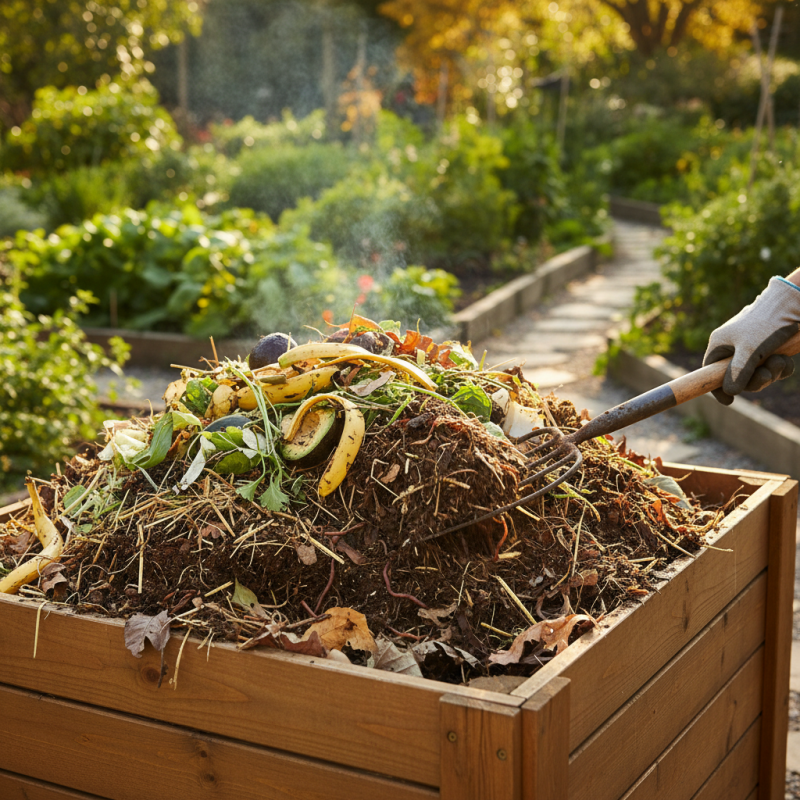
A Garden Compost Bin is pretty much a must-have if you're into gardening and want to cut down on waste while boosting your soil. When you get the hang of it, using a compost bin can turn your kitchen scraps and yard leftovers into rich, healthy compost. It's like hitting two birds with one stone—recycling and helping your plants thrive at the same time.
That said, lots of folks find it tricky to get the most out of their compost bins. Common mistakes? Tossing in too much of one type of stuff or forgetting to turn the pile now and then. These little slip-ups can slow things down and even cause some pretty unpleasant smells. So, it’s all about keeping a good balance between green and brown materials—trust me, that makes all the difference.
Digging into composting does take a bit of effort and some learning along the way. But don’t worry, even experienced gardeners run into hiccups. The key is to stay patient and keep practicing. Before you know it, the rewards—dark, rich compost—will totally make the initial work worth it. Just stick with it and enjoy the process!
Understanding the Basics of a Garden Compost Bin
Composting can seem daunting at first. Understanding the basics of a Garden Compost Bin is essential for beginners. A compost bin creates a perfect environment for organic waste to decompose. Start with a balanced mix ofgreens and browns. Greens include vegetable scraps, while browns consist of dried leaves or cardboard. Aim for a ratio of 2:1. The right mix boosts composting speed and quality.
Temperature is another critical factor. A compost pile should be warm, ideally between 130°F and 160°F. This heat helps kill harmful pathogens. If your compost is not heating up, you might need to adjust the mix or aerate it more. Sometimes, people forget to turn the pile. It’s a simple yet vital step. Check the moisture too; it should feel like a damp sponge.
Using a garden compost bin effectively requires some experimentation. You might encounter challenges, like attracting pests or having a smelly pile. It's okay; the learning process helps you improve. If you’re overwhelmed, consider looking for advice from a China Top Garden Compost Bin Factory for reliable tips. Creating successful compost is about patience and willingness to learn from mistakes.
Choosing the Right Location for Your Compost Bin
Choosing the right location for your compost bin is crucial. A good spot enhances decomposition and makes your gardening routine easier. Ideally, find a shaded area. Full sunlight can dry out the compost too quickly. A partially shaded spot allows for moisture retention while still benefiting from some sunlight.
Make sure your compost bin is easily accessible. You will want to add materials and turn the pile regularly. If it is too far from your garden, you might neglect it. Consider having a flat, dry surface underneath. This minimizes water pooling and keeps the compost in good shape.
Take note of the local wildlife. If you place your bin too close to animal habitats, you may attract unwanted visitors. Look for areas where animals are less likely to roam. It’s also wise to check the proximity to your home. A location that's too close may have odor issues. You’ll need to balance convenience with practicality.
Balancing Green and Brown Materials in Your Compost
Balancing green and brown materials is crucial for a successful compost. Green materials include fresh grass clippings, vegetable scraps, and coffee grounds. These items are rich in nitrogen. Brown materials, such as dried leaves, twigs, and cardboard, provide carbon. A proper mix of these elements creates an ideal environment for decomposition.
Achieving the right balance often requires trial and error. Many gardeners struggle with this. They might add too many greens, leading to a smelly mess. Conversely, too many browns can result in a slow composting process. It’s essential to monitor the moisture level as well. If your Compost Tumbler feels too dry, add more greens or a splash of water. If it’s too wet, increase the brown materials.
Remember that every compost bin will behave differently. Factors like climate, humidity, and the types of materials used all play a role. Don’t hesitate to adjust your approach as needed. Keep track of what works and what doesn't. It’s all part of the composting journey. Embrace the imperfections and enjoy the process of creating rich, organic soil.
Maintaining Moisture Levels in Your Compost Bin
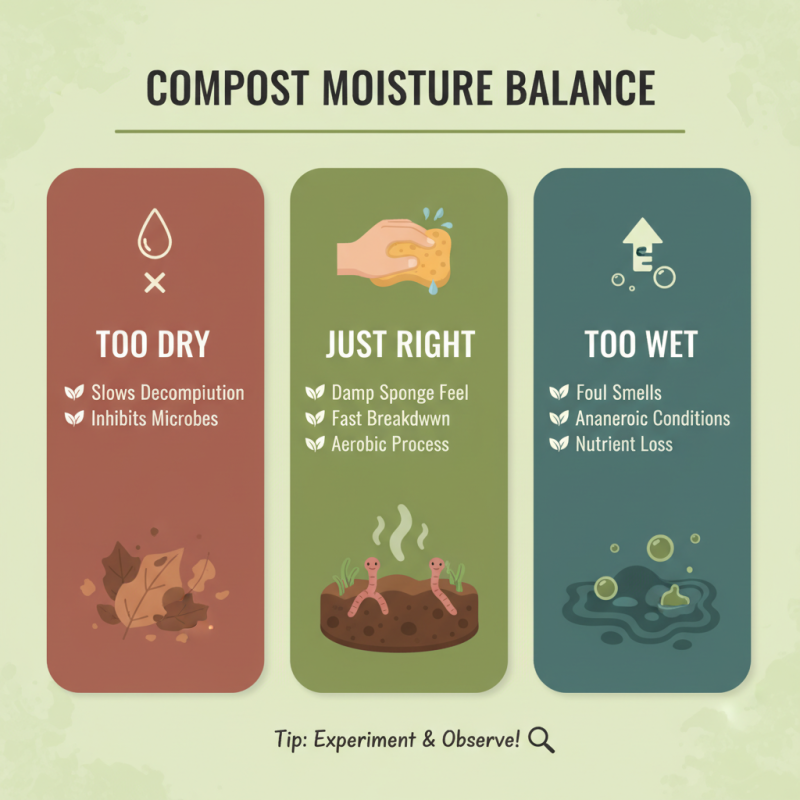
Maintaining moisture levels in your compost bin is crucial for successful decomposition. Dry compost slows down the process. But too much moisture can lead to foul smells and anaerobic conditions. Aim for a balance. A properly maintained compost pile feels like a damp sponge, not soggy or bone-dry. You might need to experiment to find the right mix for your compost.
Regularly check your compost for moisture during dry spells. If you notice it's too dry, add water or kitchen scraps. Stirring your compost regularly can help distribute moisture evenly. Be mindful, too; adding materials like cardboard can soak up moisture. If it rains heavily, a cover can protect your bin. Remember, patience is key while using a garden compost bin. Adjustments might take time, and results won’t always be perfect.
Finally, consider that every composting setup is unique. Not every method works universally. Observing and adapting your composting practices can lead to better results. After all, it’s a bit of trial and error. You may even find insights from companies like the China Top Compost Tumbler Factory helpful for improving your process. Embrace the learning curve; it enhances your gardening skills.
Turning and Aerating Your Compost for Faster Decomposition
Turning and aerating your compost is vital for quick decomposition. This process introduces oxygen, which helps the microorganisms thrive. Without sufficient air, compost can become compacted, slowing down the breakdown of materials.
One effective tip is to turn your compost pile every few weeks. Use a Garden Fork or shovel to flip the materials. This action mixes the layers and allows fresh air to reach the center. You might find it challenging to maintain a consistent schedule, but try to commit to it regularly.
Another useful tip involves adding dry materials, like leaves or straw. This helps balance wet ingredients like vegetable scraps. Too much moisture can lead to a soggy mess. If your compost is too wet, it may smell bad and require extra effort to correct.
Strive for an even mix; it’s not always easy, but the results will be worth it.
Monitoring Temperature for Effective Composting Process
Monitoring the temperature of your compost bin is crucial for effective composting. The ideal temperature range for composting is between 130°F and 160°F (54°C to 71°C). At these temperatures, microorganisms break down organic material rapidly. When the temperature drops below 130°F, the decomposing process slows down significantly.
It’s important to use a compost thermometer. A good thermometer can help you measure the internal temperature accurately. Make it a habit to take readings every few days. If the temperature is too high, it can kill beneficial microbes. If it's too low, mix in more green materials, like fresh grass clippings. This can help boost the heat.
Some reports indicate that composting reduces landfill waste by about 30%. However, many home gardeners fail to monitor temperature effectively. Without this practice, they might end up with a pile that doesn’t decompose properly. Observing changes in temperature can guide your decisions on moisture levels and aeration as well. The process of composting should be dynamic, and a temperature check is key to maintaining that balance.
Troubleshooting Common Composting Issues and Solutions
Composting can be rewarding, but problems can arise. Incorrect balance of greens and browns is common. Ideally, the mix should be 30:1 carbon to nitrogen. When the ratio is off, decomposition slows down. This leads to unpleasant odors. A recent study found many backyard composters struggle with this balance.
Another issue is moisture. Too much water can lead to anaerobic conditions. This results in a soggy mess that smells terrible. On the flip side, too little moisture can dry out the pile. Regularly checking the dampness is crucial. If it feels like a wrung-out sponge, you’re in a good spot. Using a quality Compost Tumbler can help. It allows better aeration, promoting decomposition. TheChina Best Compost Tumbler Factory has models that provide excellent airflow.
Finally, pests can invade your compost. Fruit flies and rodents might show up if you're not careful. Covering food scraps and avoiding meat and dairy can help deter them. Watching the temperature is also vital. A healthy compost pile usually heats up between 130°F and 160°F. If your pile isn’t warming up, it’s time to take a closer look. Adjusting these factors can dramatically improve your composting experience.
FAQS
: Break tasks into smaller parts. Set clear deadlines. Minimize distractions like phone notifications.
Use a planner or digital tools. Prioritize tasks each day. Review your progress weekly to adjust.
Take short breaks to clear your mind. Engage in simple activities like walking or stretching. Reflect on your workload.
Set personal milestones. Reward yourself after achieving them. Remind yourself of the project's importance.
Procrastination is a major issue. Multitasking can lead to errors. Lack of rest can decrease overall efficiency.
A cluttered desk can reduce focus. Good lighting is crucial. Ambient noise can help some people concentrate better.
Conclusion
A Garden Compost Bin is an essential tool for recycling organic waste into nutrient-rich compost. To use it effectively, it's important to understand the basics of composting, such as balancing green (nitrogen-rich) and brown (carbon-rich) materials, to create a healthy environment for decomposition. Choosing the right location for your compost bin can significantly impact the composting process, ensuring it receives adequate sunlight and drainage.
Maintaining proper moisture levels is also crucial, as too much or too little water can hinder decomposition. Regularly turning and aerating your compost helps speed up the process, while monitoring the temperature allows you to gauge the effectiveness of your composting efforts. Additionally, being aware of and troubleshooting common composting issues can lead to a successful composting experience, ultimately providing rich material for your garden.


 +86-13905742713

 CONTACT NUMBER
 CONTACT NUMBER