Let's be honest — cleaning chores can sometimes feel like a real hassle, right? That’s where the Power Pressure Washer can be a total game-changer. It makes those tough cleaning tasks way easier. Whether you're talking about sidewalks, decks, or even patios, this tool packs a punch that manual scrubbing just can't compete with. With its high-pressure water jets, dirt and grime tend to vanish almost instantly.
A lot of homeowners and pros swear by the efficiency of a Power Pressure Washer. It saves you time, effort, and even a bit of energy. Plus, with all those different attachments available, you can tweak it to match whatever cleaning job you're tackling. But hey, not every mess needs that much power. It’s a good idea to think about whether this tool fits your specific task before jumping in.
That said, using a Power Pressure Washer isn’t totally foolproof; you’ve got to be careful. It’s super easy to damage surfaces if you’re not careful — so learning the right way to handle it is key. Knowing how to set the pressure and keep a safe distance from the surface makes all the difference. When you balance power with care, you’ll get those surfaces sparkling without any mishaps. So, yeah, it can really boost your cleaning game — just remember, practice makes perfect, and a little caution goes a long way.
Benefits of Using a Power Pressure Washer for Various Cleaning Tasks
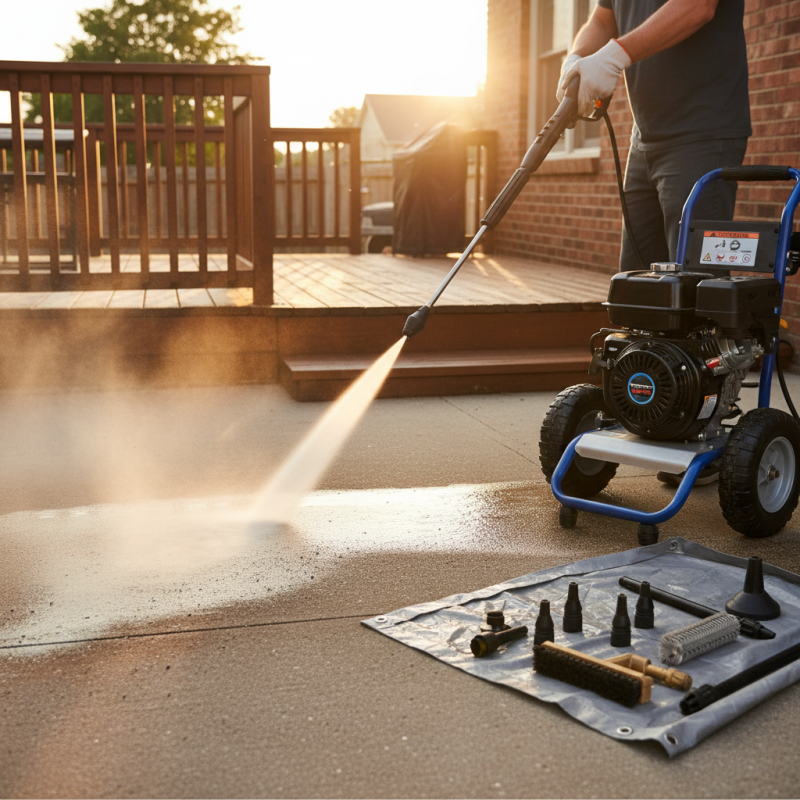
When it comes to tackling tough cleaning tasks, a power pressure washer is an invaluable tool. These machines deliver a powerful stream of water that effectively blasts away dirt, grime, and stains. Whether you're cleaning your driveway, patio, or outdoor furniture, a high pressure washer provides quick and efficient results. The ability to adjust the pressure settings allows users to customize the cleaning experience based on the specific task at hand.
Using a power pressure washer can save time and effort compared to traditional cleaning methods. For example, removing mold and mildew from surfaces becomes significantly easier. The high-pressure stream penetrates deep into the crevices, ensuring nothing is left behind. However, it's important to remember that improper use may damage delicate surfaces, which can lead to frustrating outcomes. After all, a machine that promises ease must be handled with care.
In addition to its power, a pressure washer is versatile. You can use it for vehicles, outdoor equipment, or even large surfaces like walls. However, inexperienced users should approach these tasks with caution. Understanding the right techniques and pressure levels is essential to prevent damage. Failures in technique can result in uneven cleaning or harm to the surfaces being cleaned. Balancing power and precision can sometimes be challenging, but the results are often worth the effort.
Choosing the Right Power Pressure Washer for Your Needs
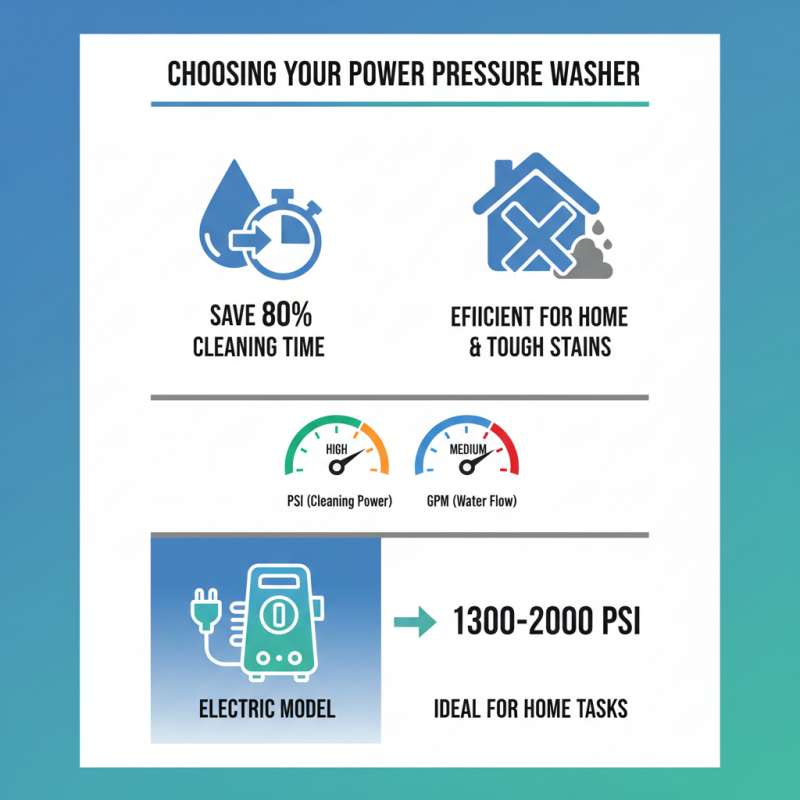
Choosing the right power pressure washer can significantly enhance your cleaning tasks. Studies show that power pressure washers can reduce cleaning time by up to 80%. This efficiency is especially crucial for large areas or tough stains. When selecting a model, consider the PSI (pounds per square inch) and GPM (gallons per minute). A higher PSI indicates more cleaning power, while GPM reflects how much water flows. For most home tasks, an electric pressure washer with 1300-2000 PSI is often sufficient.
Listening to user feedback reveals some common concerns. Many people overlook the importance of weight and portability. If you frequently move the washer, a lightweight, compact model is a wise choice. Additionally, think about nozzle types. Different nozzles can tackle various surfaces effectively. A 25-degree nozzle works well for most household tasks, while a 0-degree nozzle is ideal for stubborn dirt.
Tips: Always wear protective gear when using a pressure washer. This includes goggles and gloves to prevent injuries. Remember to read the manual thoroughly. It contains essential safety features and prevents misuse. Don't underestimate the power of a good cleaning agent. Sometimes, it can make the difference between a quick job and a prolonged struggle.
Key Features to Look for in a Power Pressure Washer
When considering a power pressure washer, it's essential to identify key features that meet your specific cleaning needs. One vital aspect is the pressure rating, typically measured in PSI (pounds per square inch). Most residential units operate between 1,300 and 2,800 PSI, hitting a sweet spot for effective cleaning without causing damage. A study by the Power Washers of North America (PWNA) highlights that a higher PSI doesn’t always guarantee better cleaning; optimal nozzle selection and proper technique often matter more.
Another important feature is the flow rate, indicated in GPM (gallons per minute). A higher GPM increases cleaning efficiency by delivering more water; units between 1.5 to 2.5 GPM are common. Research indicates that pressure washers with a good balance of PSI and GPM can reduce cleaning time by up to 40%. Don't overlook the ease of use either—look for lightweight models with a portable pressure washer design to enhance mobility.
Tips: Pay attention to the hose length. A longer hose can reach tricky areas more easily, saving time. Also, consider adjustable spray nozzles; they provide versatility for different surfaces. Remember, proper maintenance is crucial. Flushing the system after use prevents clogging and prolongs the unit's life. Investing in a quality pressure washer can pay dividends in time and effort for your cleaning tasks.
Why Choose a Power Pressure Washer for Your Cleaning Needs?
This chart illustrates key features to consider when selecting a power pressure washer for your cleaning needs, including cleaning power measured in PSI, water flow rate in GPM, weight in pounds, noise level in decibels, and price in dollars.
Safety Tips When Operating a Power Pressure Washer
Operating a power pressure washer can be a highly effective way to clean various surfaces. However, safety must be a top priority. According to the American Association of Cleaning Professionals, nearly 30% of power washer injuries involve improper use. Adhering to safety tips can prevent accidents and enhance your cleaning experience.
Always wear appropriate personal protective equipment (PPE), such as goggles and gloves. These provide crucial protection against debris and high-pressure water. The nozzle’s spray pattern can pose risks. Experts recommend maintaining a distance of at least 24 inches from surfaces to avoid injuries or damage. In 2022, consumer safety reports indicated that 60% of injuries could be traced back to improper nozzle handling.
Before starting, check the equipment for any damage. Frayed cords or leaks can lead to hazardous situations. Additionally, never point the nozzle at people or pets, even when the washer is off. Lack of attention to these details can lead to serious consequences. Review the manufacturer's manual for specific guidelines on pressure levels and recommended usage. This helps ensure not just compliance, but a safe and effective cleaning process. Following established safety protocols enhances both your confidence and the efficacy of your power washing tasks.
Comparing Power Pressure Washers to Traditional Cleaning Methods
Power Pressure Washers offer significant advantages over traditional cleaning methods. While a garden hose delivers around 1,000 PSI, power pressure washers can reach 4,000 PSI or more. This means they can remove stubborn dirt, grime, and mold effectively. Cleaning a driveway can take hours with a hose, but a power pressure washer can finish the task in minutes. Studies show that using a power pressure washer is up to 50% more efficient than manual scrubbing methods.
When choosing a cleaning method, consider these tips. Understand the surfaces you'll clean. Soft surfaces need lower pressures to avoid damage. Paying attention to pressure settings is crucial. Read instruction manuals carefully to avoid accidents. Overusing a pressure washer can lead to water waste.
Data from industry reports reveal that homes cleaned with pressure washers tend to stay cleaner longer. This is partly due to the effective use of cleaning detergents that are often recommended with pressure washing. However, improper use can cause more harm than good. Therefore, always choose the right nozzle and pressure setting for the job at hand. Detailed research and practice will yield better results when using a pressure washer.
Why Choose a Power Pressure Washer for Your Cleaning Needs? - Comparing Power Pressure Washers to Traditional Cleaning Methods
| Feature | Power Pressure Washer | Traditional Cleaning Methods |
| Efficiency | High - cleans up to 5 times faster | Low - time-consuming, especially for tough stains |
| Water Usage | Less - uses less water for the same area | More - often requires multiple rinses |
| Effectiveness on Stains | Excellent - removes tough grime and stains | Fair - may require harsh chemicals |
| Portability | Moderate - can be wheeled around | High - can be done with simple tools, but labor-intensive |
| User-Friendliness | Generally easy to use with minimal training | Depends on the method; may require skill |
Maintenance Tips for Longevity of Your Pressure Washer
Maintaining a power pressure washer is crucial for its longevity. Regular maintenance ensures it operates efficiently and lasts longer. A common practice is to clean the filter after every use. This simple step can prevent clogs and improve performance. Additionally, check the hoses for any signs of wear or leaks. Replace damaged hoses immediately to avoid further issues.
Storage is equally important. Keep your pressure washer in a dry, cool place. Extreme temperatures can damage its components. During winter, consider draining the water from the unit to prevent freezing. It's a good idea to use a high-quality pump protector. This will lubricate the inner parts and help to keep the unit running smoothly.
Another tip is to inspect the nozzle regularly. A clogged nozzle can reduce pressure and increase cleaning time. Using a needle or a pin can help clear any debris. Lastly, refer to the user manual for specific maintenance guidelines. This manual contains valuable insights into achieving optimal performance. Regular attention to these aspects can significantly extend the lifespan of your pressure washer.
Popular Applications of Power Pressure Washers in Everyday Cleaning
Power pressure washers are versatile tools for various cleaning tasks in everyday life. They can handle tough grime, dirt, and grease on many surfaces. According to industry reports, approximately 90% of households find pressure washing essential for outdoor maintenance. This powerful method saves time and labor in cleaning driveways, patios, and vehicles.
When tackling outdoor areas, pressure washers excel at removing stubborn stains. A study from the Cleaning Equipment Trade Association highlights that using a pressure washer can clean surfaces up to 60% faster than traditional methods. This efficiency allows homeowners to maintain their properties easily. However, improper use can lead to damage, such as etching concrete or stripping paint.
Indoor applications are also gaining traction. Power pressure washers can effectively clean siding, decks, and even indoor surfaces with appropriate settings. Experts recommend adjusting the pressure to avoid damage. Homeowners should be cautious and informed about their tools. User errors can diminish the effectiveness of power washing, leading to unsatisfactory results.
Analyzing the Impact of Advanced 750W Submersible Sewage Pumps on Wastewater Management Efficiency: Insights from Industry Reports
The recent advancements in 750W submersible sewage pumps have significantly transformed wastewater management efficiency. According to industry reports, these pumps have showcased an ability to handle high volumes of wastewater while maintaining energy efficiency, thus reducing operational costs for municipalities and industries alike. In particular, a study by the Water Environment Federation revealed that modern submersible pumps can increase flow rates by 30% compared to older models, optimizing the overall performance of wastewater treatment facilities.
Moreover, the integration of smart technology in these pumps provides real-time monitoring and diagnostics, which are essential for preventing system failures and minimizing downtime. Data from a recent market analysis indicated that facilities employing advanced submersible pumps noted a 25% decrease in maintenance costs over a two-year period. This reflects not just on efficiency but also on the longevity of the equipment, as modern designs allow for better durability against corrosive substances commonly found in sewage.
The environmental impact of utilizing advanced 750W submersible sewage pumps cannot be overstated. Reports illustrate a significant reduction in energy consumption, making these pumps a more sustainable option for wastewater management. Furthermore, many facilities reported an increased capacity to comply with stricter regulatory requirements regarding effluent quality, reinforcing the importance of investing in upgraded pump technologies for effective wastewater treatment solutions.
FAQS
: Look at the PSI and GPM ratings. Higher PSI means more cleaning power, while GPM affects water flow.
Weight matters! A lightweight model is easier to move around, especially for frequent cleaning.
Different nozzles handle surfaces differently. A 25-degree nozzle works for most tasks, while a 0-degree nozzle targets tough stains.
Always wear goggles and gloves. This protects you from debris and high-pressure water, preventing injuries.
Maintain a distance of 24 inches from surfaces. Check the equipment for damage to avoid hazardous situations.
Yes, reading the manual is crucial. It provides safety guidelines and helps you understand proper usage to prevent misuse.
A good cleaning agent can improve efficiency. It may make cleaning easier and faster depending on the surface.
Proper maintenance is vital. Regularly flush the system after use to prevent clogging and prolong its lifespan.
Using too high a PSI can damage surfaces. It’s better to use the appropriate setting for effective cleaning without harm.
Look for a power washer with a good balance of PSI and GPM. This combination can significantly reduce cleaning time.
Conclusion
A Power Pressure Washer is an essential tool for effectively tackling a wide range of cleaning tasks. The benefits of using such a washer include superior cleaning efficiency, versatility for various surfaces, and the ability to save time and effort compared to traditional cleaning methods. When selecting a power pressure washer, it’s important to consider factors like pressure settings, flow rates, and additional features that enhance usability.
Safety should also be a priority when operating a power pressure washer, requiring users to adhere to specific precautions. Regular maintenance is crucial for ensuring the longevity and optimal performance of the washer. With popular applications ranging from residential outdoor areas to commercial settings, a Power Pressure Washer proves to be an invaluable addition to any cleaning arsenal.


 +86-13905742713

 CONTACT NUMBER
 CONTACT NUMBER