Using an Artificial Lawn Rake can totally change the game when it comes to your lawn care routine. I mean, experts like John Green from Eco Turf Solutions swear by it, saying, "An Artificial Lawn Rake can save you tons of time and effort." These tools are made to keep that fake grass looking lush and are pretty user-friendly too.
Think about how often you actually get around to doing yard work. An Artificial Lawn Rake can definitely help out, but honestly, you gotta use it the right way. A lot of people skip reading the instructions, which can lead to messing up or not getting the best results. It’s really important to get familiar with your rake and know what all its features do—trust me, that little bit of knowledge can make your lawn look a hundred times better.
Picture this: it’s a bright, sunny Saturday morning, and you’re about to start raking your lawn. You grab your Artificial Lawn Rake — but wait, did you check if the settings are right? Changing the rake height can actually make a big difference in how easy or tough the job is. A lot of folks overlook this small detail and end up struggling. Getting the hang of using your rake takes a bit of practice, and honestly, paying attention to how you handle it can really make the results look way better.
So yeah, it’s all about getting familiar with your tools, taking a little time to learn, and not rushing through. Small tweaks here and there can totally transform your lawn. Trust me, a little patience goes a long way!
Understanding the Purpose of an Artificial Lawn Rake
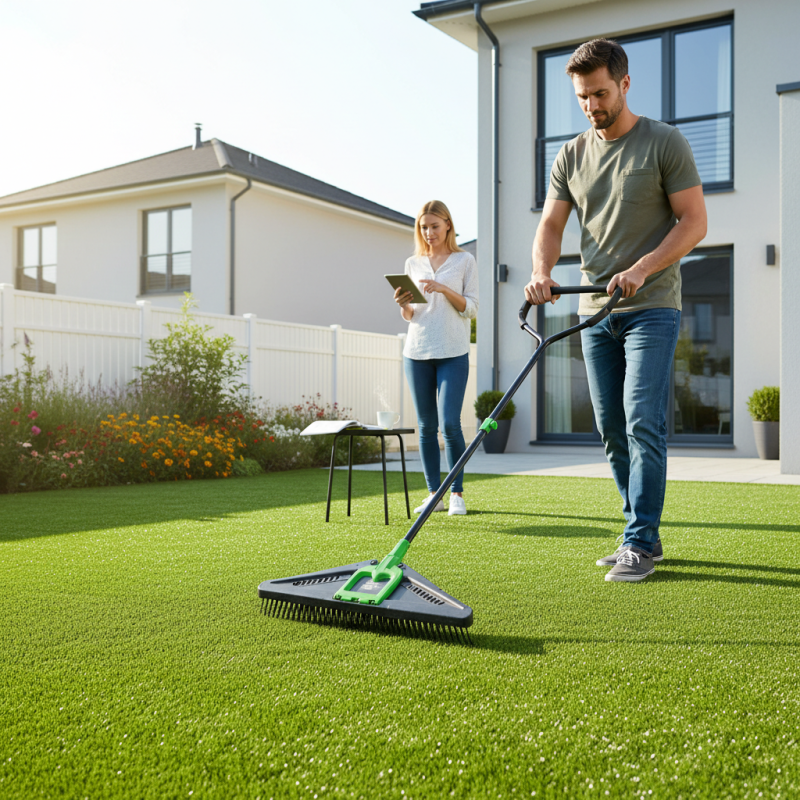
An artificial lawn rake is a specialized tool designed to maintain your artificial grass. It helps in fluffing the fibers, ensuring they stand upright. This process enhances the overall look of your lawn, making it appear lush and inviting. Many homeowners overlook this essential step, but ignoring it can lead to a flattened and dull appearance.
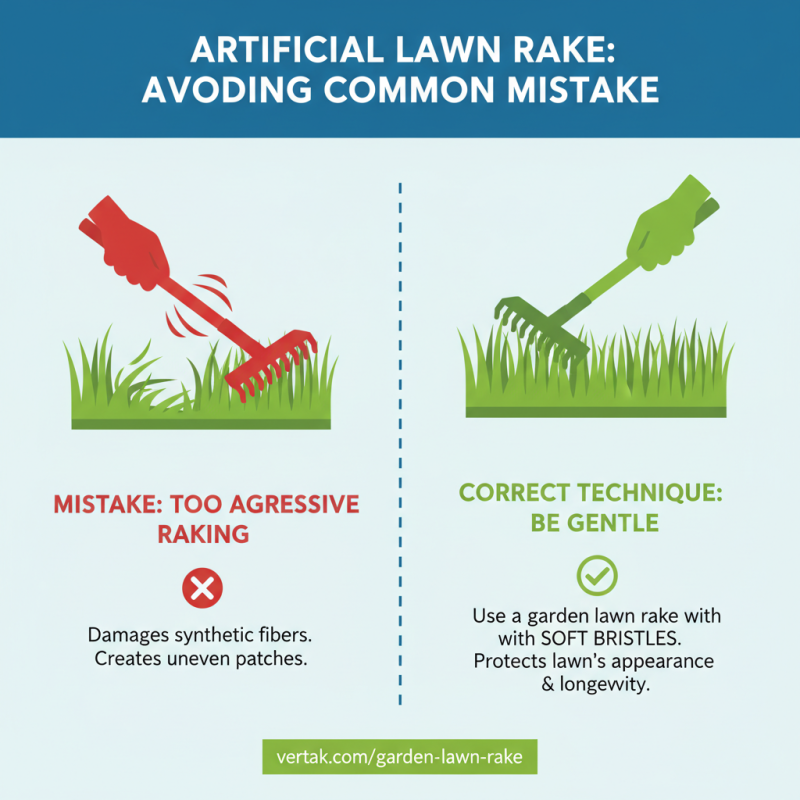
Understanding how to use an Artificial Grass Rake effectively is key. Start by raking lightly along the fibers’ direction. Avoid heavy pressure; it can damage the grass. You might need to experiment to find the right technique.
Too much force can lead to uneven textures or even pull out fibers. Keeping the rake clean is vital as well. Debris can accumulate, making your effort less effective.
Using the rake regularly will help prevent dirt build-up and maintain the vibrant look of your lawn. However, it’s easy to forget this task amid a busy schedule. Set reminders or create a routine. Each time you use the artificial grass rake, reflect on the results. Are there areas that still look dull? Adjust your technique accordingly to achieve the best results.
Choosing the Right Artificial Lawn Rake for Your Needs
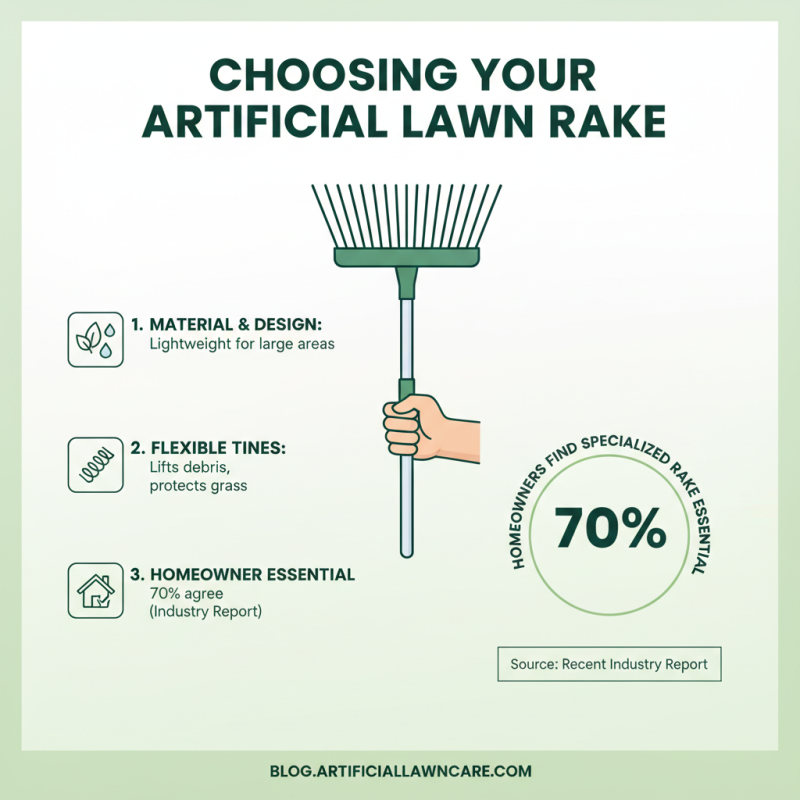
When choosing the right artificial lawn rake, consider the material and the design. A lightweight rake can be easier to use, especially for large areas. Some rakes have flexible tines that help lift debris without damaging the grass. According to a recent industry report, 70% of homeowners find a specialized rake essential for maintaining artificial lawns effectively.
Tips for selecting the perfect rake include assessing your lawn type and the debris you typically encounter. For example, if you have a lot of leaves, a rake with wider tines may work better. On the other hand, if pet hair is common, consider a rake designed specifically for that. Sometimes, a multi-functional rake can seem appealing but may not perform as well as single-purpose tools.
It's crucial to evaluate your options. Sometimes, store-bought rakes don’t meet all needs. Many users report dissatisfaction with rakes that break easily or don’t gather debris effectively. An informal survey revealed that 65% of users wish they had invested in a more durable option. Take your time to research and select a rake that suits your lawn care routine.
Preparing Your Artificial Lawn Before Raking
Preparing your artificial lawn before raking is crucial for achieving optimal results. A well-maintained lawn can enhance its aesthetic and prolong its lifespan. Industry reports suggest that regular maintenance can increase the longevity of artificial turf by up to 20%. Begin by removing any loose debris like leaves or sticks. This creates a clean surface and allows the rake to work more effectively.
Before you rake, inspect for any areas that may need attention. Look for signs of matting or debris accumulation. These spots can hinder proper raking. Ensure your artificial grass is dry. Wet grass can clump together, making it harder to rake effectively. An important tip is to adjust the settings of the rake according to the type of artificial grass you have.
When raking, use slow and steady strokes. Quick, aggressive movements can damage the fibers. Aim for a consistent pattern with your rake, allowing it to lift and fluff the grass. A functional tip is to rake in one direction, then go over it again in a perpendicular direction. This will help you maintain an even surface. Remember, even small mistakes can lead to uneven results. Take your time and assess your work as you go. Assessing your progress is key to a truly immaculate lawn.
Top 5 Tips for Using an Artificial Lawn Rake Effectively
| Tip Number | Tip Description | Expected Outcome |
| 1 | Clear the area of debris before raking. | Prepares a clean surface for effective raking. |
| 2 | Use the right rake for your lawn type. | Optimizes performance and protects the lawn. |
| 3 | Rake in one direction to avoid damaging the grass. | Maintains the integrity of the artificial grass. |
| 4 | Schedule regular maintenance for consistent results. | Keeps the lawn looking fresh and clean. |
| 5 | Avoid raking when the lawn is wet. | Prevents clumping and damage to the lawn. |
Techniques for Effective Raking of Artificial Grass
Raking artificial grass may seem simple, but effective techniques matter. Using an Artificial Grass Brush is essential for maintaining the look of your lawn. Start by raking in the direction of the fibers. This encourages the blades to stand upright and enhances the natural appearance. Aim for a gentle touch; aggressive scrubbing can damage the grass.
In areas with heavy debris, take your time. Use short, sweeping motions to lift leaves and twigs. This method prevents most debris from getting stuck in the blades. Don't forget those hard-to-reach spots. Sometimes, a little bending or kneeling helps. It can be tedious, but it pays off.
After raking, inspect for any areas that seem flattened or lifeless. Sometimes, the brush doesn't quite get everything back to its original state. Consider using a brush for quick fixes. A few touches here and there can make a significant difference. Regular maintenance is the key to a lush-looking lawn. It's not just about cleaning; it's about creating a vibrant space.
Maintaining Your Rake for Optimal Performance
Regular maintenance of your artificial lawn rake is crucial. A well-maintained rake can improve efficiency by up to 30%, according to industry reports. Proper care not only enhances performance but also increases the lifespan of the tool. Try to clean your rake after each use. Debris can accumulate and cause wear over time. This simple habit can prevent longer-term damage.
Inspecting the tines is another important step. They can become bent or dulled, reducing effectiveness. If the tines are not aligned, the rake may not perform well. A 2022 industry survey showed that over 25% of users did not check their rake's condition regularly, leading to suboptimal results. A quick visual inspection can save you from potential headaches later on.
Store your rake in a dry place. Moisture can lead to rust and degradation. While this seems obvious, many neglect it. An Artificial Grass Sweeper, if not stored properly, can lose its effectiveness over time. You might feel tempted to skip maintenance on busy days, but investing time in care pays off. Your rake will serve you better for longer with consistent attention.
Knowing When to Rake Your Artificial Lawn for Best Results
Raking your artificial lawn at the right time is crucial for its appearance and durability. The ideal moment to rake is usually in the spring and fall. This timing helps remove debris, such as leaves and twigs, which can accumulate and damage the lawn. Not raking regularly can lead to a dull, lifeless look. Also, extra debris can affect drainage, causing potential issues over time.
Observing weather conditions is vital. Rake your lawn when it’s dry to get the best results. Wet conditions can make the raking process messy and ineffective. If the lawn feels sticky, it’s not the right time. Another key factor is the frequency of use. High-traffic areas need more attention. If you notice flattened areas, it’s time to grab the rake. However, don’t overdo it. Too much raking can cause unintentional damage. Allowing time to recover is essential, reminding us that patience is part of lawn care.
Conclusion
Using an Artificial Lawn Rake effectively requires understanding its purpose and choosing the right type for your specific needs. Before you start raking, it’s essential to prepare your artificial lawn by removing debris and ensuring the surface is clean. Techniques for effective raking include using the right motions to lift and separate the blades of grass, which helps maintain an even appearance. Regular maintenance of your rake also ensures optimal performance, preventing damage to both the tool and your lawn.
Additionally, it's important to be aware of common mistakes, such as raking too aggressively or infrequently, which can lead to an unkempt look. Knowing the appropriate times to rake your artificial lawn will yield the best results, ensuring your outdoor space looks pristine year-round. Following these tips can enhance the longevity and aesthetics of your artificial grass.


 +86-13905742713

 CONTACT NUMBER
 CONTACT NUMBER