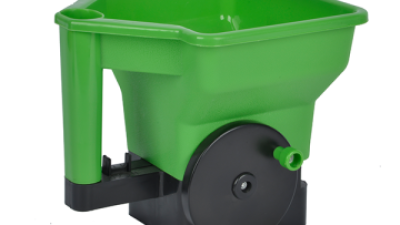
When it comes to keeping your garden happy and healthy, choosing the right tools can really make a big difference. Honestly, there's hardly anything more important than having a good-quality Soil Spreader. I mean, just ask gardening pro Dr. Emily Green—she’s been studying sustainable gardening for over twenty years, and she’ll tell you that picking the right tool isn’t just a small detail; it can totally change how you care for your plants.
Figuring out what your garden needs most is kinda key here. There are so many options out there—small handheld spreaders, bigger models you tow behind, you name it. It can feel a bit overwhelming at first. But each type has its perks—like those tiny spreaders that are perfect for delicate flower beds, or the larger ones that make spreading compost or fertilizer easier over big veggie patches.
As you get into the world of Soil Spreaders, think about things like what materials work well with what you’re spreading, how easy they are to handle, and how big your garden actually is. Picking the right one can really lead to healthier plants and bigger harvests, making gardening feel way more satisfying and less of a chore. Trust me, it’s all about finding that perfect fit for your space and style.
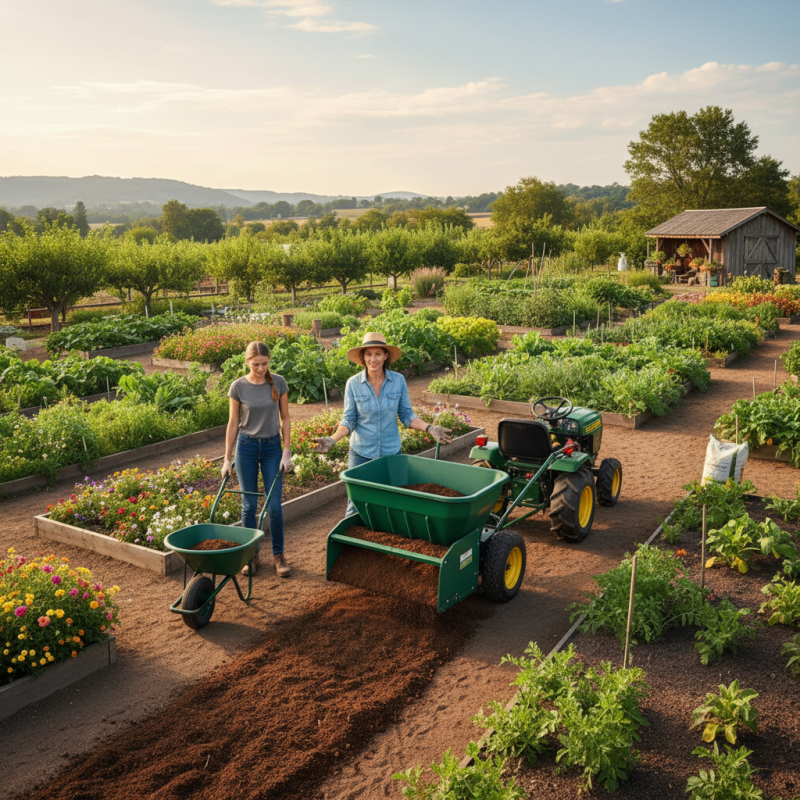
Understanding Soil Spreaders: Types and Their Functions
Soil spreaders are essential tools for any gardener aiming to achieve optimal soil health and promote plant growth. Understanding the different types of soil spreaders and their functions can greatly enhance the gardening experience. The primary types include broadcast spreaders, drop spreaders, and hand-held spreaders, each serving specific applications. For instance, broadcast spreaders are designed to distribute soil amendments or fertilizers over a large area, making them ideal for expansive lawns. In contrast, drop spreaders release products in a straight line directly beneath the spreader, providing precision and preventing overlap, which is crucial in smaller Garden Beds.
Research indicates that utilizing the correct soil spreader can increase efficiency and minimize waste. According to a report by the American Society of Agronomy, properly calibrated spreaders can reduce fertilizer costs by up to 30% while ensuring better nutrient distribution. Moreover, using the right spreader contributes to improved soil structure and health, positively impacting plant growth. As gardeners assess their needs, considering the type of spreader that aligns with their gardening area—whether it be a compact hand-held model for tight spaces or a larger broadcast model for expansive gardens—will significantly influence their success in cultivating vibrant, healthy plants.
Soil Spreader Types and Their Functions
Key Features to Consider When Choosing a Soil Spreader
When selecting a soil spreader for your gardening needs, it’s essential to consider several key features that can greatly influence the effectiveness and efficiency of your gardening efforts. One of the primary factors is the type of spreader: broadcast, drop, or combination spreaders each serve different purposes. According to the Soil Science Society of America, broadcast spreaders are ideal for larger areas, dispersing materials evenly but with less precision, while drop spreaders offer accuracy for smaller plots and specific plant types, which can significantly reduce wastage and improve plant health.
Another crucial consideration is the capacity and build quality of the spreader. The average spreader capacity can range from 50 to 250 pounds, impacting the frequency of refills during larger gardening projects. The American Society of Agricultural and Biological Engineers notes that heavy-duty materials such as corrosion-resistant steel or durable plastic can extend the lifespan of your equipment and ensure consistent performance. Additionally, the ease of use, including ergonomic handle designs and smooth rolling wheels, can enhance user experience, particularly for extensive gardening tasks.
Lastly, consider the size of your garden and the frequency with which you plan to spread soil or fertilizers. For instance, homeowners with larger landscapes might benefit from a heavier model, which is both efficient and time-saving. In contrast, small gardeners may prefer lighter, more compact options. Reports indicate that proper soil spreader usage can not only improve application efficiency but also enhance soil health and plant growth, underscoring the importance of making an informed choice.
Evaluating Different Spreader Sizes for Your Garden Area
When selecting the best soil spreader for your gardening needs, evaluating the sizes available for your specific garden area is crucial. Different spreader sizes can dramatically impact the efficiency and effectiveness of your soil application process. For smaller gardens, a compact spreader may be ideal, allowing for greater maneuverability in tight spaces and ensuring that every inch of soil receives a uniform application. These smaller models often come in manual or hand-held designs, making them user-friendly for those who may not have extensive gardening experience.
On the other hand, larger gardens or landscaping projects may benefit from larger, motorized spreaders that can cover more ground in a shorter amount of time. These models often feature adjustable settings, letting you customize the spread rate to accommodate various soil types and applications. However, it's essential to assess the weight and size of these spreaders, as they might require more physical strength to operate and maneuver effectively. Ultimately, the size of the spreader you choose should align not only with the dimensions of your garden but also with your gardening style and ease of use preferences.
How to Choose the Best Soil Spreader for Your Gardening Needs
| Spreader Size | Ideal Garden Size | Weight Capacity (lbs) | Best Uses | Price Range ($) |
| Small Spreader | Up to 500 sq ft | 50 | Seeds, Fertilizers | 25 - 50 |
| Medium Spreader | 500 to 2000 sq ft | 100 | Seeds, Fertilizers, Lime | 50 - 100 |
| Large Spreader | Over 2000 sq ft | 200 | Seeds, Fertilizers, Soil Amendments | 100 - 200 |
Material Quality: The Impact on Durability and Performance
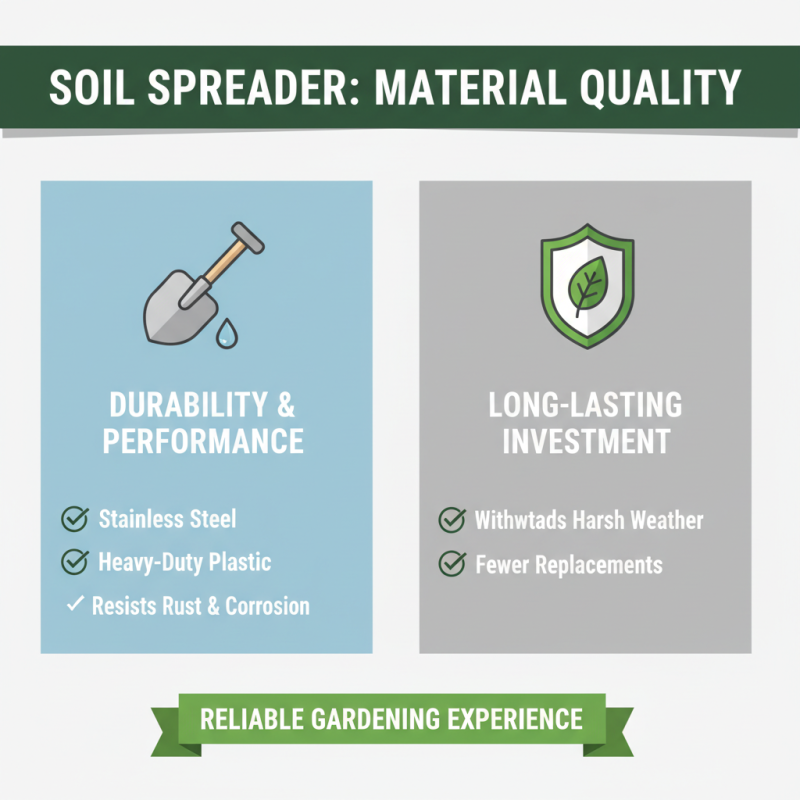
When selecting a soil spreader for your gardening needs, the material quality stands out as a critical factor that directly influences both durability and performance. Soil spreaders made from high-grade materials like stainless steel or heavy-duty plastic can withstand harsh weather conditions and frequent use. Such materials resist rust and corrosion, ensuring that the spreader remains functional over time without the need for frequent replacements. Investing in a product crafted from quality materials means that you can enjoy a reliable gardening experience without interruptions.
Moreover, the choice of material affects the spreader's efficiency. For instance, lightweight materials may be easier to handle but might not distribute soil evenly, leading to patchy coverage in your garden. Conversely, a soil spreader constructed from heavier, sturdier materials can deliver more consistent results, allowing you to achieve uniform application of soil amendments or fertilizers. This uniformity is essential for promoting healthy plant growth and optimizing the overall health of your garden. Thus, when choosing a soil spreader, prioritizing material quality can greatly enhance both your gardening experience and the outcomes of your efforts.
Comparative Analysis of Manual vs. Powered Soil Spreaders
When considering the best soil spreader for your gardening needs, it's essential to evaluate the differences between manual and powered spreaders. Manual soil spreaders are typically more affordable and require no additional power sources, making them an excellent choice for small gardens or for gardeners who enjoy a hands-on approach. These spreaders usually feature a simple design, allowing for easy maneuverability in tight spaces. Manual options also offer greater control over the distribution of soil, ensuring an even application and reducing the risk of over-spreading.
On the other hand, powered soil spreaders provide significant advantages for larger areas or more extensive gardening projects. These machines are equipped with either electric or gas-powered motors, allowing them to cover a broader surface area more quickly and efficiently. This increased productivity can save time and effort, especially for gardeners looking to prepare large fields or manage expansive landscapes. However, powered spreaders may require more maintenance and come with a higher initial investment. Ultimately, the choice between manual and powered soil spreaders depends on the specific gardening needs, the size of the garden, and the gardener's preference for ease of use versus control.
Cost-Effectiveness: Investment Vs. Gardening Yield Impact
When considering a soil spreader for your gardening needs, one of the critical aspects to evaluate is cost-effectiveness. Investment in a quality soil spreader may feel substantial upfront, but industry reports suggest that the return on investment can be significant. According to the American Society of Agronomy, well-chosen gardening equipment can enhance the overall yield of crops by up to 30% when optimal soil conditions are maintained. This yield improvement can lead to greater food production and, ultimately, increased profits for hobbyist gardeners and professional cultivators alike.
Furthermore, the long-term benefits of using a reliable soil spreader extend beyond immediate yield increases. The National Gardening Association indicates that gardeners who invest in effective soil amendment practices can observe a reduction in fertilization costs by an average of 25% over several growing cycles. This cost reduction occurs because a soil spreader helps distribute nutrients evenly and efficiently, minimizing wastage and helping retain soil moisture. Therefore, while the initial cost of a soil spreader may seem high, the overall impact on gardening yield and subsequent cost savings makes it a prudent investment for anyone serious about their gardening endeavors.
Best Soil Spreader Brands According to Industry Standards
When choosing the best soil spreader for your gardening needs, it’s essential to look at the brands that lead the industry according to recognized standards. Industry reports reveal that top brands are often evaluated based on performance, durability, and user feedback collected over years of gardening experience. High-quality soil spreaders are typically constructed from robust materials that resist wear and tear, ensuring they can handle the demands of different gardening tasks. Additionally, user-friendly designs that allow for easy adjustments and operation are frequently highlighted in consumer reviews, marking these brands as preferred choices among gardening enthusiasts.
Tips for selecting the right soil spreader include considering your garden size and type of soil you will be working with. For smaller gardens, a handheld or small push spreader can be ideal, while larger plots may benefit from tow-behind models that connect to a lawn tractor. Moreover, pay attention to the spreader's feed rate, which dictates how quickly and evenly the soil is dispensed, impacting efficiency. Reports suggest that spreaders with adjustable settings provide more versatility, allowing users to tailor their application based on specific requirements.
In addition to functionality, brand reputation plays a crucial role. Research shows that brands with a long-standing presence in the gardening community tend to offer superior customer service and warranty options, which can be significant considerations for first-time buyers. Checking industry ratings and testimonials can provide further insights into which brands consistently deliver quality and satisfaction.
The Ultimate Guide to Efficient Gardening: Utilizing the Hand-operated Seeder/Seed Spreader TG0001006
The art of gardening involves more than just nurturing plants; it requires efficient techniques and tools that can significantly enhance the experience. One such tool is the hand-operated seeder/Seed Spreader TG0001006, designed to simplify planting and ensure optimal seed distribution. According to the National Gardening Association, nearly 35% of American households engage in some form of gardening, highlighting the increasing demand for tools that streamline the process and improve yields.
Utilizing a hand-operated seeder not only speeds up the planting process but also promotes better seed placement, which is crucial for germination and growth. Research indicates that uneven seed distribution can lead to reduced yields, making tools like the TG0001006 essential for amateur and professional gardeners alike. By ensuring that seeds are spaced correctly, this hand-operated device allows for a more productive garden, ultimately leading to healthier plants and bountiful harvests.
Moreover, the use of seeders is particularly beneficial in maximizing garden efficiency. A study published in the Journal of Horticultural Science reveals that tools that aid in seed placement can increase germination rates by up to 20%. This statistical evidence emphasizes the importance of investing in quality gardening tools. The TG0001006 offers an ergonomic design that facilitates ease of use, allowing gardeners to cover larger areas without straining their backs or wrists. Such innovations contribute to a more enjoyable gardening experience and promote long-term engagement in gardening as a sustainable practice.
FAQS
: When selecting a soil spreader, evaluate the size of your garden, as different spreader sizes can impact efficiency. For smaller gardens, a compact manual or hand-held model may be ideal, while larger gardens may benefit from larger, motorized spreaders that can cover more ground quickly.
Manual soil spreaders are typically more affordable, require no power sources, and are easy to maneuver in tight spaces. They offer greater control over soil distribution, ensuring an even application and reducing the risk of over-spreading.
Powered soil spreaders cover larger areas more quickly and efficiently. They are ideal for extensive gardening projects, saving time and effort, though they may require more maintenance and entail a higher initial investment.
The size of a soil spreader should align with your garden's dimensions and your gardening style. Larger spreaders may require more physical strength to operate and are better suited for larger landscapes, while smaller models allow for better maneuverability.
Yes, investing in a quality soil spreader can lead to significant returns, improving crop yields by up to 30% and reducing fertilization costs by about 25% over time by ensuring even nutrient distribution and moisture retention.
A well-chosen soil spreader can maintain optimal soil conditions, leading to greater food production and potentially increased profits for both hobbyist and professional gardeners.
Yes, using an effective soil spreader can minimize nutrient wastage and retain soil moisture, which can lead to cost savings in fertilization over several growing cycles.
Manual spreaders are more affordable and require no power, making them good for smaller gardens. Powered spreaders are faster and more efficient for larger areas but come with higher costs and maintenance requirements.
The choice depends on the size of your garden, your gardening needs, and your preference for ease of use versus control over soil application.
Assess the dimensions of your garden and consider your gardening style. Compact spreaders work well in small areas, while larger projects may necessitate a more powerful spreader for efficiency.
Conclusion
Choosing the right soil spreader is essential for optimizing your gardening efforts. This article outlines various types of soil spreaders and their specific functions, helping you understand which tool best meets your gardening needs. Key features to consider include size, material quality, and the type of spreader—manual or powered—that will suit your garden area.
Additionally, the article highlights the importance of evaluating the cost-effectiveness of soil spreaders, weighing the initial investment against the potential gardening yield impact. By analyzing different spreader sizes and options, gardeners can determine the best tools for their space, ensuring durability and performance for years to come. Ultimately, this guide serves as a valuable resource for anyone looking to enhance their gardening efficiency with the appropriate soil spreader.


 +86-13905742713

 CONTACT NUMBER
 CONTACT NUMBER