Picking out the right Pressure Washer can feel pretty overwhelming, huh? There are just so many options out there, and it’s easy to get a bit lost in all of it. But honestly, a good pressure washer can really save your bacon when it comes to tough cleaning jobs—think driveway, patio, or your car—and make the whole process way less of a headache. Just gotta find the right one for your needs.
One thing a lot of folks miss when shopping for these machines is taking a sec to think about the features that matter. It’s not just about how much they cost; stuff like how powerful it is, whether it’s versatile enough, and how easy it is to handle really make a difference. For instance, a high-pressure washer might be perfect for those heavy-duty jobs, but if you’re only dealing with smaller cleaning tasks, it could be overkill—and a waste of money, honestly. So, it’s worth spending a bit of time figuring out what’s best for what you actually need.
And don’t forget about the accessories! Things like nozzles, hoses, and detergents can seriously boost your cleaning game. That said, not all brands give you quality extras, which can be super frustrating if you end up with junk that doesn’t work well. So, take your time, check out some reviews, and stick to reputable brands—you’ll thank yourself later.
Understanding Pressure Washers: Types and Functions
When searching for a suitable pressure washer, it’s crucial to understand the different types and their functions. Pressure washers can vary significantly. There are electric pressure washers and gas-powered ones. Each type serves unique tasks and has distinct advantages. Electric pressure washers are quieter and more eco-friendly, making them ideal for residential use. They're lightweight and easy to maneuver, perfect for small to medium cleaning jobs.
On the other hand, gas-powered pressure washers deliver higher pressure levels. These machines can tackle tougher jobs, like heavy-duty cleaning on driveways or industrial surfaces. The drawback? They are bulkier and require more maintenance. It’s important to assess your cleaning needs before choosing. If you mainly deal with routine tasks, an electric pressure washer might suffice. Yet, for extensive projects, a gas model could be necessary.
Proper research into their functions can guide your choice. Many users often overlook the necessary specs, leading to purchase regret. It’s easy to get overwhelmed. Take the time to consider what surfaces you will clean and how often you'll use the machine. This will prevent impulsive decisions that don’t align with real needs. Understanding these details can enhance your cleaning experience and ensure you buy wisely.
How to Choose the Best Pressure Washer for Your Needs?
| Type | Power Source | Pressure (PSI) | Flow Rate (GPM) | Best For |
| Electric Pressure Washer | Electric | 1300-2000 | 1.2-1.8 | Light cleaning tasks, such as washing cars and patios |
| Gas Pressure Washer | Gasoline | 2000-4000 | 2.5-4.0 | Heavy-duty cleaning tasks, such as stripping paint and deep cleaning |
| Portable Pressure Washer | Electric/Battery | 1000-1500 | 1.5-2.0 | Convenient for small, on-the-go cleaning tasks |
| Commercial Pressure Washer | Gasoline/Diesel | 3000-7000 | 4.0-5.0 | Commercial use, such as cleaning large areas or equipment |
Assessing Your Cleaning Needs: Residential vs. Commercial Use
When choosing a pressure washer, one of the primary factors is whether you need it for residential or commercial use. Residential pressure washers typically focus on lighter tasks. These tasks include cleaning driveways, patios, and outdoor furniture. A lightweight model will usually suffice for these chores. However, if you have heavy-duty needs, like cleaning large commercial buildings, a more robust machine is essential.
Commercial pressure washers are designed for intense, prolonged use. They feature powerful engines and can handle tougher stains like oil or grease. For businesses, efficiency is key. The right machine can save time and deliver better results. Consider the scale of cleaning operations. Will you be washing multiple vehicles daily? Or will you focus on occasional deep cleaning?
It's important to reflect on your unique cleaning needs. Residential needs may change over time. Perhaps an occasional deck wash becomes routine maintenance. Likewise, commercial pressure washers must adapt. They should handle evolving demands as business grows. Balancing power, portability, and intended usage is crucial for an effective purchase.
Pressure Washer Selection: Residential vs. Commercial Use
Key Features to Consider When Choosing a Pressure Washer
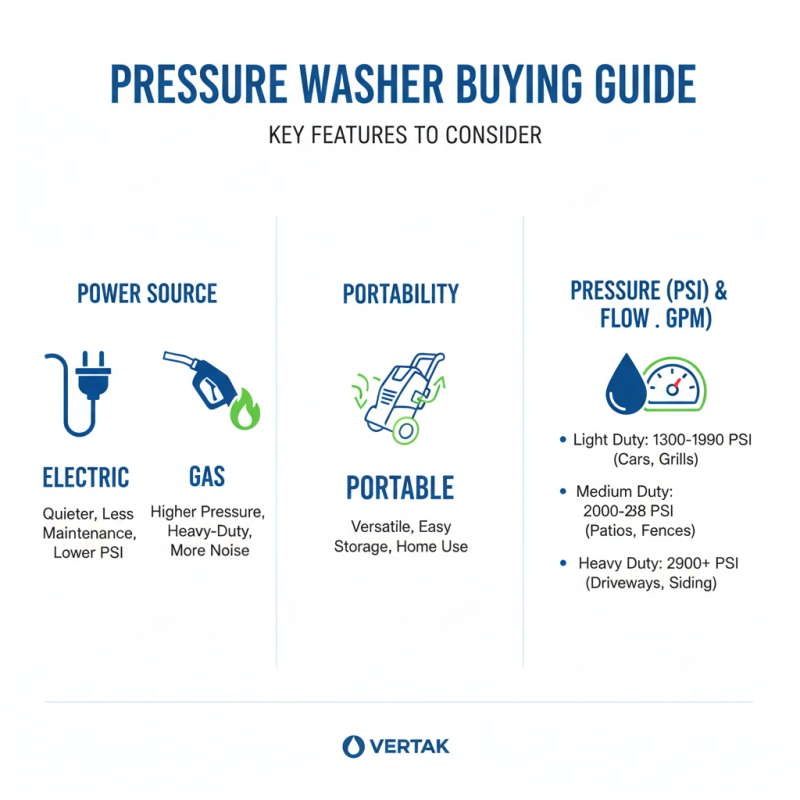
When choosing a pressure washer, several key features deserve your attention. First, consider the power source. Electric models are quieter and require less maintenance. However, gas-powered versions offer higher pressure for heavy-duty tasks. For home use, a portable pressure washer might be ideal. It provides versatility and ease of storage.
Next, pay attention to the pressure rating. Measured in PSI (pounds per square inch), a higher PSI means greater cleaning power. Typical residential models range between 1300 to 3000 PSI. Think about your cleaning needs. For delicate tasks like washing cars, lower PSI is better. For tough grime or driveways, opt for higher ratings.
Consider the flow rate as well. This is measured in GPM (gallons per minute). Higher GPM ensures quicker cleaning but can use more water. Balance both pressure and flow rate based on your projects. Look for features like adjustable nozzles or detergent tanks. These small details enhance functionality, making your cleaning tasks easier and more efficient.
Power Ratings Explained: PSI and GPM in Detail
When choosing a pressure washer, understanding the power ratings is crucial. PSI (pounds per square inch) and GPM (gallons per minute) are key metrics that determine cleaning performance. A higher PSI means more cleaning power, while a higher GPM indicates faster cleaning. According to industry reports, a pressure washer with 2,000 PSI and 2.5 GPM is suitable for most household tasks. However, lower ratings may suffice for lighter jobs.
Consider your cleaning needs before making a decision. For tough stains on concrete, look for at least 3,000 PSI. For delicate surfaces like wood, 1,500 PSI with a lower GPM might be more appropriate. This balance ensures effective cleaning without damaging surfaces. Always check the nozzle type; adjustable ones offer versatility.
Tips: Always start with the lowest PSI to avoid damage. Test on a small area first. Maintenance matters; clean filters regularly to ensure optimal performance. Also, make sure to assess your water supply. Insufficient flow can hinder your pressure washer's ability to clean effectively. Remember that the right pressure washer can make your cleaning tasks quicker and more efficient.
Gas vs. Electric Pressure Washers: Pros and Cons
Choosing between gas and electric Pressure Washers requires careful consideration. Gas pressure washers typically deliver higher pressure, reaching up to 4,000 PSI. They are suited for heavy-duty tasks, like cleaning driveways or removing stubborn stains. According to industry reports, gas models can operate for longer periods, making them ideal for extensive cleaning jobs. However, they are also heavier and require regular maintenance, including oil changes and filter replacements.
On the other hand, electric pressure washers are lighter and easier to handle. They usually offer a pressure range of 1,300 to 2,000 PSI, sufficient for typical household tasks such as washing cars or patio furniture. They are quieter, produce no emissions, and are more convenient to use. Data suggests that over 60% of new consumers prefer electric models for their ease of use. Yet, they can overheat during prolonged use and might struggle with tougher jobs. Making a choice depends on the specific cleaning requirements and personal preferences.
Additional Accessories and Attachments for Enhanced Performance
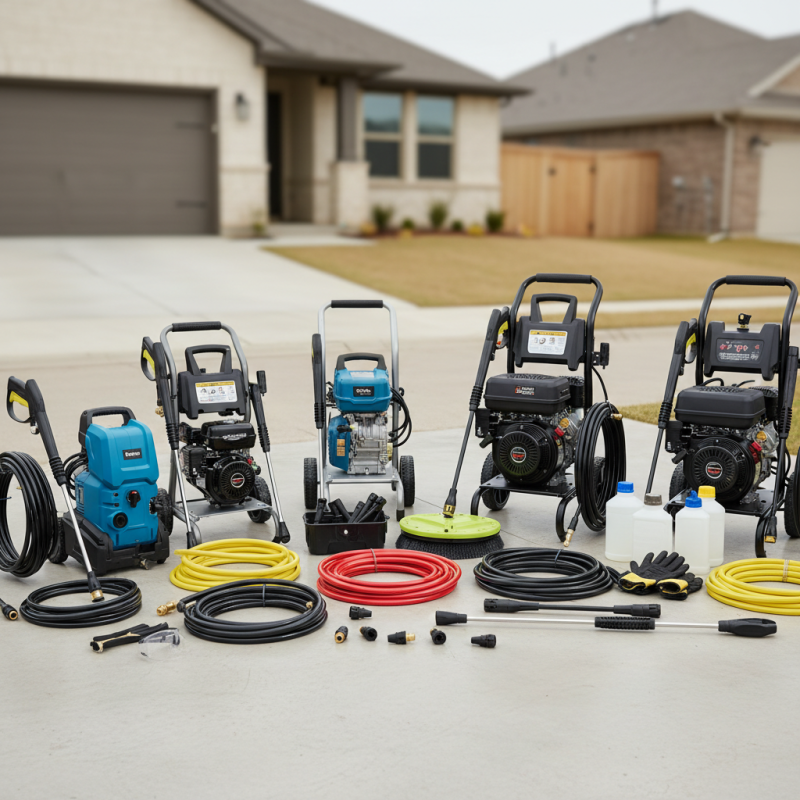
When selecting accessories for your Pressure Washer Machine, consider what tasks you'll tackle. A variety of attachments can enhance your cleaning experience. For instance, a rotating brush is excellent for stubborn dirt on vehicles, while a surface cleaner attachment speeds up the process on large flat areas. These tools save time and effort, making your cleaning routine more efficient.
Another key accessory is a detergent injector. This tool allows you to apply cleaning solutions easily. It helps lift grime and stains, especially on patios and driveways. Make sure to choose compatible detergents that work safely with your pressure washer machine. It's crucial to follow guidelines to avoid damage or reduced performance.
Investing in the right accessories can transform your cleaning tasks. However, remember that not every attachment is necessary for every user. Assess your specific cleaning needs to avoid overwhelming yourself with unnecessary tools. The learning curve can be steep, and not every purchase will yield the expected results. Keep experimenting until you find the perfect combination for your needs.
Budgeting for Your Pressure Washer: Cost vs. Value Considerations
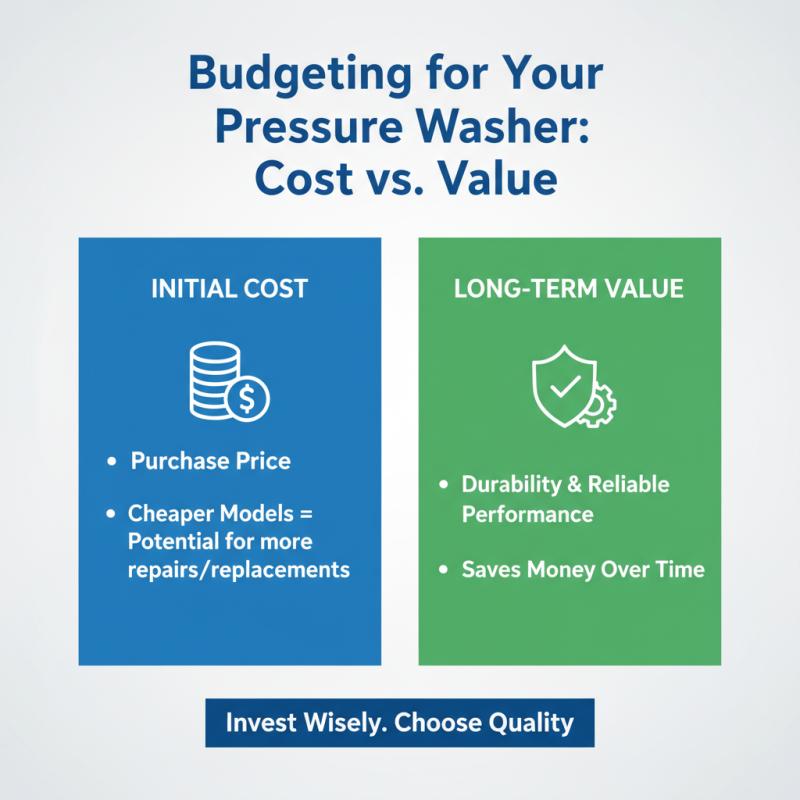
When selecting a pressure washer, budgeting is crucial. Consider the initial cost and the long-term value. Some lower-priced models may require costly repairs or replacements. Look for options that provide durability and reliable performance. A good washer will save you money over time. Spend wisely to ensure quality.
Pay attention to additional costs as well. Accessories, maintenance, and replacement parts can add up. Do not overlook these factors when calculating total ownership costs. Investing more upfront can lead to greater savings in the long run. A higher-quality machine often lasts years longer.
Think about your cleaning needs. A powerful washer may seem appealing but might be overkill for light cleaning tasks. Assessing your projects can help you choose wisely. Always weigh the cost against the expected performance. Sometimes, a mid-range model perfectly suits your requirements without breaking the bank.
Maximize Your Gardening Efficiency with the Versatile 1.5L Garden Pressure Sprayer TG7601089: A Must-Have Tool for Every Gardener
Gardening can be a rewarding yet labor-intensive activity, and having the right tools can make all the difference. The 1.5L Garden Pressure Sprayer TG7601089 stands out as an essential companion for every gardener looking to maximize efficiency in their gardening practices. This versatile tool is designed to simplify a multitude of tasks, from watering delicate seedlings to applying fertilizers and pest control solutions with precision. Its generous capacity allows for extended use without frequent refills, ensuring that your time is spent caring for plants rather than constantly reloading.
One of the standout features of this sprayer is its ergonomic design, which provides comfort during extended use. The adjustable nozzle allows for customizable spraying patterns, whether a fine mist is needed for fragile plants or a steady stream for larger areas. This adaptability means that whether you're tending to flowers, vegetables, or larger landscape areas, the pressure sprayer meets your needs effortlessly. Additionally, its lightweight construction ensures that even a novice gardener can handle it with ease, making gardening accessible and enjoyable for everyone. Enhance your gardening toolkit with this sprayer, and turn your gardening tasks into a more streamlined and efficient experience.
FAQS
: Consider whether you need it for residential or commercial use. Different tasks require different machines.
Residential models are great for cleaning driveways, patios, and outdoor furniture. They handle lighter tasks well.
Commercial washers are designed for heavy-duty use. They feature powerful engines and can manage tough stains effectively.
Pressure rating, measured in PSI, indicates cleaning power. Higher PSI is better for tough grime; lower PSI is for delicate tasks.
Electric models are quieter and require less maintenance. Gas models offer more pressure for heavy-duty tasks.
Flow rate, or GPM, impacts how quickly you can clean. Higher GPM can save time but uses more water.
Look for adjustable nozzles and detergent tanks. These enhance functionality and make cleaning tasks easier.
Consider both initial costs and long-term value. A cheaper model may lead to costly repairs later.
Yes, consider costs for accessories and maintenance. These can add up and affect total ownership expenses.
Assess your specific projects. Sometimes a mid-range model suits your tasks without wasting money on excess power.
Conclusion
When choosing the best pressure washer for your needs, it's essential to understand the various types available and their specific functions. Whether you're focusing on residential or commercial use will significantly influence your decision. Key features like power ratings—measured in PSI (pounds per square inch) and GPM (gallons per minute)—should also be assessed to ensure the pressure washer meets your cleaning requirements.
Additionally, prospective buyers must weigh the pros and cons of gas versus electric models, considering factors such as power and convenience. Enhancing your pressure washer's functionality with various attachments can further optimize performance. Lastly, budgeting plays a critical role; you'll need to balance cost with the long-term value the pressure washer provides for your cleaning tasks. Making informed choices in these areas will ultimately lead to an effective purchase tailored to your specific needs.


 +86-13905742713

 CONTACT NUMBER
 CONTACT NUMBER