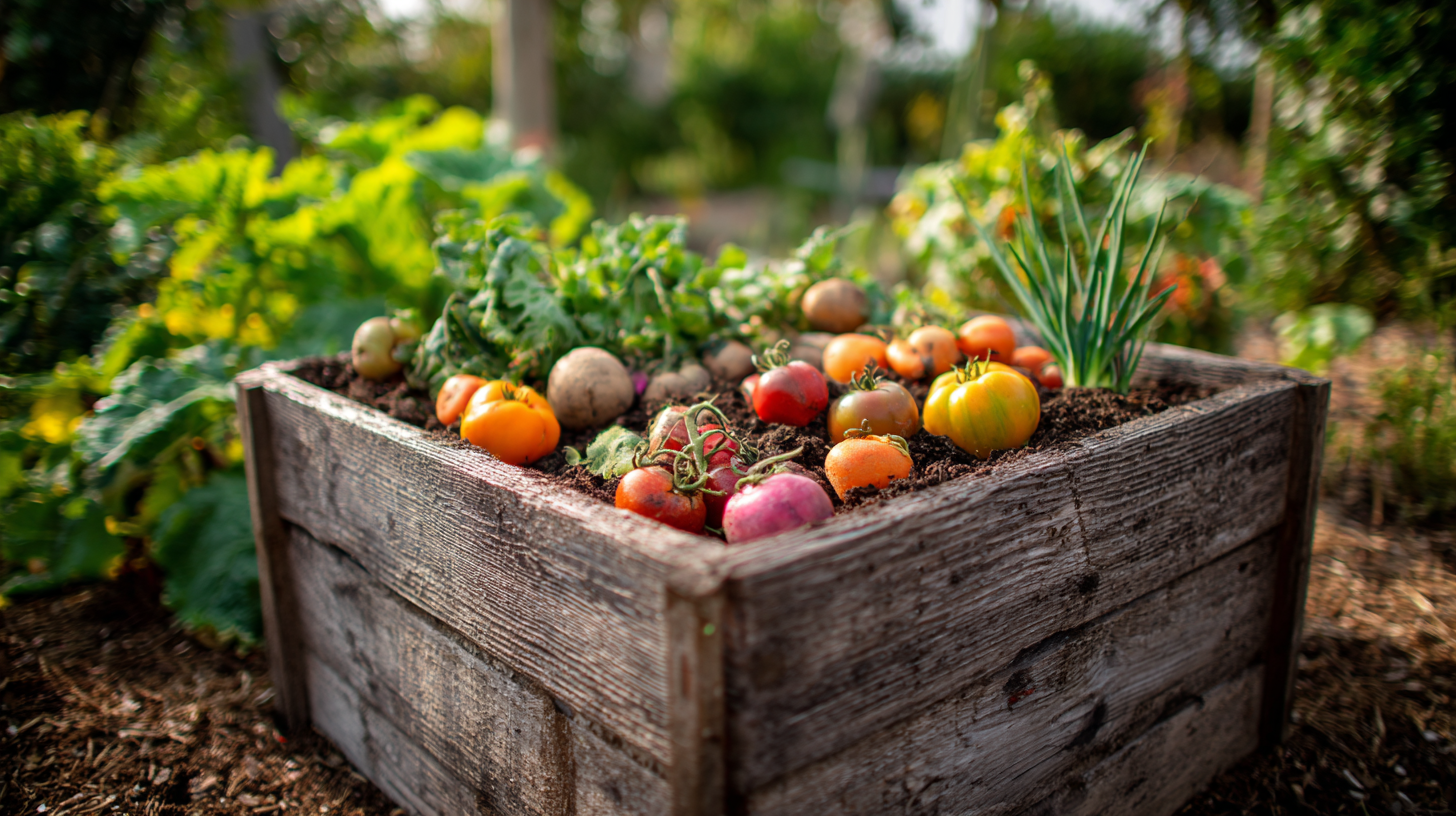
When it comes to sustainable gardening, having a good Garden Compost Bin really can’t be overstated. I mean, did you know that according to the EPA, composting can cut down organic waste in landfills by up to 30%? That’s pretty impressive, right? Not only does it help save resources, but it also turns your kitchen scraps and yard waste into nutrient-rich soil that your plants will love. As more gardeners start to see the benefits of composting, choosing the right compost bin becomes super important — it’s all about making the whole process easier and more effective. Here’s where Ningbo Vertak Mechanical & Electronic Co., Ltdcomes in. They’re a pretty diverse bunch, with expertise in garden machinery, hand tools, and Outdoor Lighting. Thanks to their advanced assembly lines and packaging, they can offer high-quality, small-batch solutions tailored just for your gardening needs. Trust me, making composting work for you can be surprisingly rewarding — especially when you see your garden thrive!
How to Determine the Right Size Compost Bin for Your Garden Needs
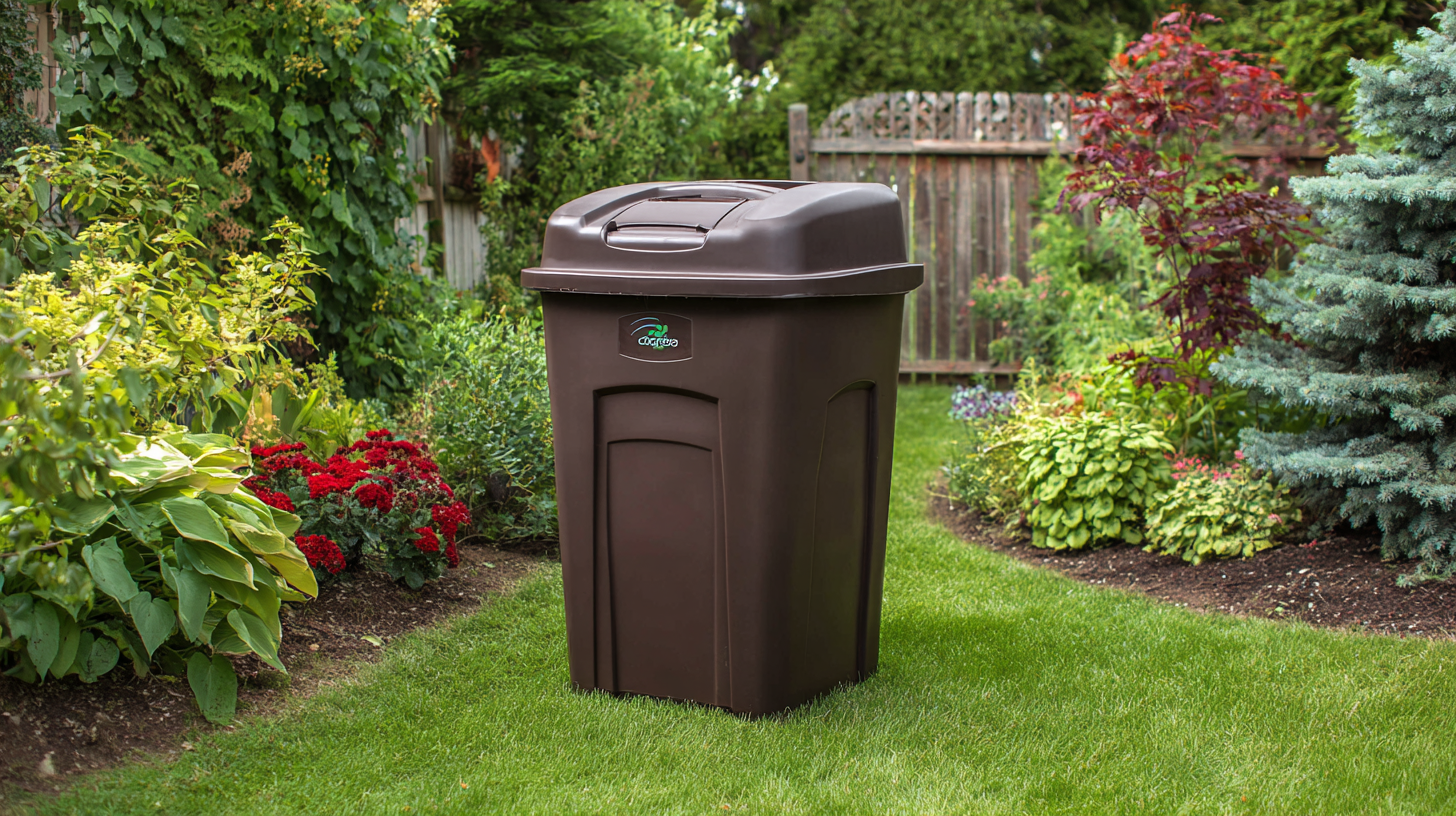
When you're picking out a compost bin for your garden, size really matters. A good rule of thumb? Go for one that can hold at least about a cubic yard of compostable stuff. The EPA mentions that, on average, each person generates roughly 1.5 pounds of compostable waste every day. So, if you've got a family of four, a bin with around 4 to 5 cubic feet should do the trick—enough to handle your organic waste without turning into a huge hassle.
To figure out what size you actually need, think about how much kitchen scraps and yard waste you typically produce each week. If your garden’s pretty big or you plan to compost things like manure or bulky yard stuff, you might want a bin that's 10 cubic feet or even bigger. And honestly, it's smart to choose a bin that can expand as your needs change—more flexibility means it’ll last longer and work better over time.
Here's a tip: remember that getting enough airflow is super important for compost to do its thing. If your bin's too small, it might get clogged up and not breathe well, which slows everything down. Make sure to turn or mix your compost regularly to keep it aerated and healthy. The USDA even says that a well-managed compost system can cut waste by up to 30%. So, choosing the right size and staying on top of maintenance really makes all the difference.
7 Essential Tips for Choosing the Perfect Garden Compost Bin for Your Needs
| Tip Number | Tip Description | Ideal Bin Size | Best Material |
| 1 | Consider the amount of waste you produce. | Small (20-30 gallons) | Plastic |
| 2 | Think about your garden size. | Medium (50-70 gallons) | Wood |
| 3 | Look for aeration features. | Large (100+ gallons) | Metal |
| 4 | Ensure easy access for mixing. | Portable (30-50 gallons) | Composite |
| 5 | Choose a bin that complements your garden’s aesthetics. | Varies | Varies |
| 6 | Check for local regulations on composting. | N/A | N/A |
| 7 | Read reviews and ask for recommendations. | N/A | N/A |
Understanding Different Types of Compost Bins: Which One Suits You Best?
Trying to pick out the perfect compost bin? Honestly, understanding the different types out there can really make a difference in how smoothly your composting goes. You've got a few popular options — traditional compost bins, tumblers, and worm bins — and each one suits different needs and garden sizes. According to the Composting Council, about a quarter of household waste could actually be composted, so choosing the right bin that fits your lifestyle is pretty important. If you have plenty of outdoor space and are committed to regular upkeep, a classic compost bin probably works best. On the other hand, tumblers are super convenient — they make aerating your compost way easier and speed things up. Then there are worm bins, also called vermicomposters, which are perfect if you’re living in the city or just don’t have a lot of space. Studies show that worm composting can cut down waste by up to 70%, turning kitchen scraps into super nutrient-rich fertilizer. So, think about how much space you've got, how much waste you produce, and how quickly you want your compost, and that should help you figure out the best fit. When you pick the right one, not only are you helping out the environment, but your garden’s gonna thank you, too.
Balancing Aeration and Moisture: Key Factors for Effective Composting
Picking the right compost bin for your garden is kinda crucial if you want your composting game to actually work. I mean, getting the balance right between airflow and moisture can make or break the whole process. The EPA reports that composting can cut down organic waste by up to 30%, so it’s pretty important to get those conditions just right in your bin to break stuff down effectively. Basically, it all depends on microorganisms — these tiny guys do the dirty work — and they thrive best when the environment has the right moisture and oxygen levels.
Figuring out the perfect balance isn't always straightforward, though. When choosing a bin, it's worth considering the design — stuff like holes or vents that help keep air flowing are super helpful. In fact, about 75% of the most efficient compost bins out there have these features. And don’t forget about moisture — your compost should be damp, like a sponge, but not dripping wet. Sometimes, you'll need to tweak things depending on your weather or environment. According to the Composting Council, keeping the moisture just right can speed up decomposition by up to 25%, so it really pays to keep an eye on both airflow and moisture if you want good compost, like, yesterday.
Materials Matter: Choosing a Compost Bin for Durability and Sustainability
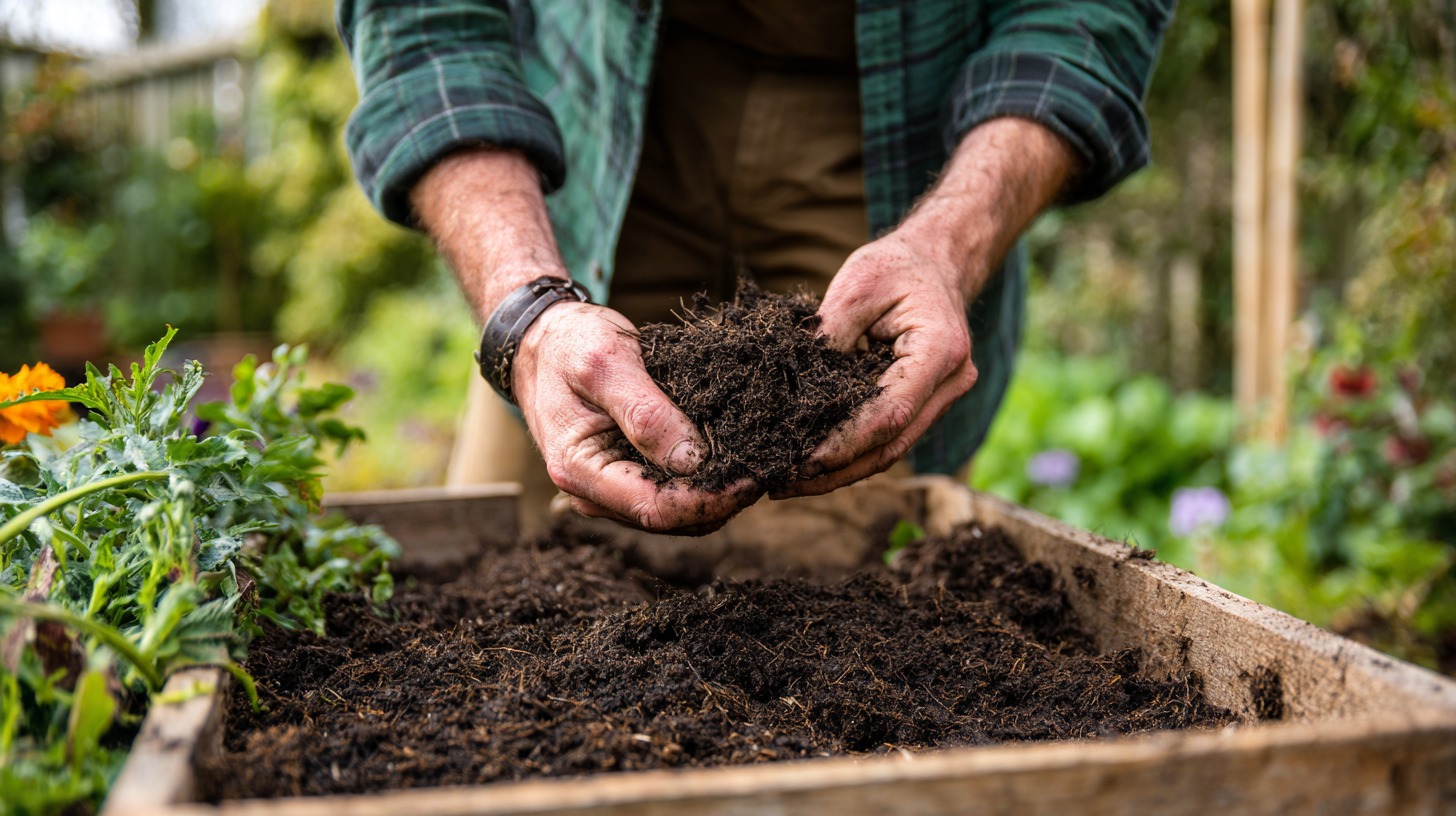
When you're picking out a compost bin for your garden, the material it’s made from really matters—both for how long it’ll last and how friendly it is to the environment. Most compost bins you see around are made of plastic, but some folks also go for stainless steel or wood, and each has its own perks. Plastic bins are pretty lightweight and easy to move around, which is a plus, but they might not stand up well to tougher weather over time. On the flip side, a sturdy wooden bin can do a great job insulating your compost, creating a cozy little space for beneficial microbes to work their magic. Just keep in mind, if you choose wood, it’s a good idea to make sure it’s treated with eco-friendly preservatives—nobody wants harmful chemicals leaching into their compost, after all.
Here at Ningbo Vertak Mechanical & Electronic Co., Ltd., we totally get how important quality materials are when it comes to Garden Tools and equipment. Our wide range of factories produce top-notch garden machinery, hand tools, and eco-friendly outdoor lighting, all built to meet tight standards that gardening lovers like you expect. So, when you’re hunting for a compost bin, it’s worth considering options that match our commitment to durability and environmental care. The right choice of materials doesn’t just make your compost bin last longer; it also helps support a healthier, happier garden ecosystem.
Cost Analysis: Budgeting for Your Ideal Garden Compost Bin
Looking to get a garden compost bin? It's pretty important to keep in mind what it might cost you so you can plan your budget without surprises. Prices can really range a lot—some of the basic tumblers start around $30, but if you're after a bigger, top-quality model, you're probably looking at over $200. According to a report by the Composting Council, more than 60% of gardeners say that cost is a big deal when they're choosing what to buy. That just goes to show how key it is to figure out exactly what you need from your compost bin and pick one that fits your budget without going overboard.
Maximizing Efficiency: The Importance of Location for Your Compost Bin
When you're setting up your compost bin, the spot you pick really makes a difference in how well it works. It’s best to find a place that gets a bit of sun and shade—that way, you help keep the temperature and moisture just right. A sunny patch can actually speed things up, especially when it's colder out, but too much direct sun in summer could turn things too hot. On the other hand, shaded spots can stop overheating. Oh, and if it’s close to your kitchen, it's super handy for tossing in those scraps without much fuss. Just make sure it's not right next to your living space, so you don’t end up with any weird smells floating around.
Another thing to think about is accessibility—your bin should be easy to reach so you can add stuff and turn it without a hassle. A flat, dry spot is ideal—something convenient that won’t be a pain to manage. Bonus tip: think about the wind. Setting your bin so that the prevailing breeze blows away from your house helps keep odors in check and invites in helpful bugs that break down organic stuff. Get the location just right, and you'll be well on your way to creating some seriously rich, nutrient-packed soil for your garden.
Elevate Your Gardening Experience: The Benefits of Using the Wooden Handle Garden Fork TG22041005-B
Elevating your gardening experience goes beyond just nurturing plants; it's about choosing the right tools that enhance efficiency and comfort. The Wooden Handle Garden Fork TG22041005-B is an exemplary tool that not only meets the practical needs of gardeners but also adds a touch of elegance to your gardening collection. Studies indicate that using ergonomically designed tools can reduce the risk of strain and injury by up to 40%, making the right choice imperative for long-term gardening enthusiasts.
The solid wooden handle of the TG22041005-B is not just about aesthetics; it is crafted to provide a superior grip and exceptional leverage, ensuring that your gardening tasks—be it aerating soil or turning compost—are executed with ease and precision. According to a report by the National Gardening Association, 65% of avid gardeners prefer tools that combine functionality with comfort, which is exactly what this garden fork delivers. Furthermore, the durability of the wooden handle means less time spent on replacements, allowing you to focus on what truly matters: cultivating your garden.
Investing in quality tools like the Wooden Handle Garden Fork not only enhances your gardening efficiency but also promotes sustainability within this beloved hobby. The choice of materials, coupled with ergonomic design, supports the growing trend among gardeners to opt for products that respect both their health and the environment. With gardening increasingly recognized as a therapeutic activity, having the right tools is essential for maximizing enjoyment and effectiveness in the garden.
FAQS
: The main types of compost bins are traditional compost bins, tumblers, and worm bins. Each type caters to different needs and garden sizes.
Traditional compost bins are ideal for those with ample outdoor space and a commitment to regular maintenance.
Tumblers are user-friendly, allowing for easy aeration and faster decomposition of compost materials.
Worm bins, or vermicomposters, are perfect for urban gardeners or individuals with limited space, as they can significantly reduce waste volume.
Aeration and moisture are crucial for successful composting, as they support the microorganisms responsible for breaking down organic material.
The moisture level in compost should be as damp as a sponge but not dripping with water, and adjustments may be needed based on environmental conditions.
Compost bin prices can vary widely, ranging from $30 for simple tumblers to over $200 for larger, high-quality models.
Home composting can save families up to $150 annually on waste disposal fees and reduce the need for chemical fertilizers, leading to lower gardening costs.
Gardeners should assess their available space, waste output, and desired composting speed to choose the most suitable bin.
Using homemade compost can enhance soil quality and fertility, contributing to improved garden health and reduced overall gardening expenses.
Conclusion
Picking out the perfect garden compost bin for your needs isn’t just about size and looks — there’s a few key things to keep in mind to make sure your composting game is on point. First off, think about how much space you’ve got in your garden and how much organic waste you usually toss out. This will help you figure out the right bin size. Also, get familiar with the different kinds of compost bins out there — whether you prefer a classic stationary one or a handy tumbler that’s easier to turn around, there’s something for everyone.
Now, here’s a tricky part: making sure your compost gets enough air and stays moist — these are pretty much essential for stuff to break down properly. Look for bins that let good airflow in but also keep the moisture just right. Material-wise, you’ve got options like plastic or metal, each with its own perks in terms of durability and eco-friendliness. Don’t forget to set a budget — you want something that’s good quality but also fits your wallet. Oh, and placement matters too! Pick a spot that’s easy to access but doesn’t stick out too much; having it conveniently located encourages regular use. At Ningbo Vertak Mechanical & Electronic Co., Ltd, we’ve got a bunch of garden solutions, including top-notch compost bins, all designed to match a variety of gardening styles and needs.


 +86-13905742713

 CONTACT NUMBER
 CONTACT NUMBER