When you're on the hunt for the perfect folding workbench, it’s all about getting a good grasp of what really matters—utility, portability, and durability. Did you know that in 2021, the global workbench market hit around $1.3 billion? And, according to a recent report from Market Research Future, it’s expected to keep growing at a solid 5.7% each year up until 2028. That actually makes a lot of sense—more DIYers and pros alike are looking for versatile, reliable tools, which makes folding workbenches a real game-changer in woodworking and construction projects.
What makes folding workbenches so popular? Well, apart from how easy they are to store away, they’re super adaptable for all sorts of projects. A study by the American Society of Home Inspectors found that more than 60% of homeowners do some kind of DIY home improvement every year, and they need workspaces that are dependable and flexible. These benches make it easy to switch from one task to another without the hassle. As the demand for multi-purpose tools grows, it’s really important to pay attention to stuff like weight capacity, work surface size, and how simple they are to put together—especially if you want a folding workbench that's just right for what you need.
Understanding the Types of Folding Work Benches Available
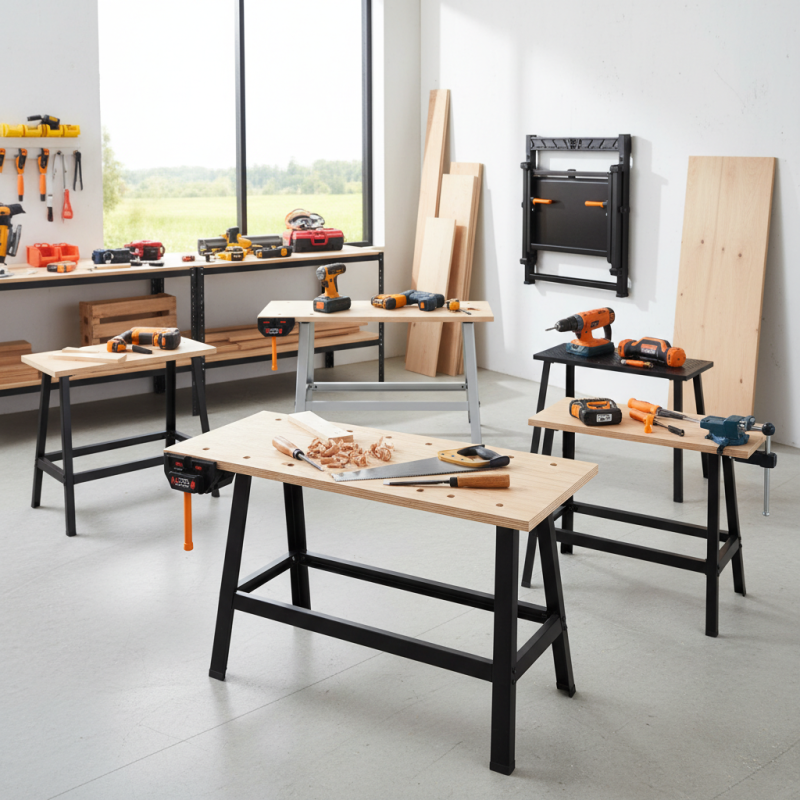
When selecting the right folding workbench, it's crucial to understand the various types available on the market. Folding workbenches generally fall into three main categories: portable, stationary, and combination models. Portable workbenches are lightweight and designed for easy transportation, making them ideal for professionals and hobbyists who need to work in multiple locations. Stationary workbenches, on the other hand, offer greater stability and larger surfaces for more extensive projects, often found in workshops or garages. Combination models provide the flexibility of being both portable and stationary, allowing users to adjust their workspace as needed.
According to a recent market research report by Grand View Research, the global workbench market is projected to reach USD 4.3 billion by 2025, with a significant portion attributed to the rising demand for portable workspaces. The preference for folding workbenches is not just about convenience; they also exhibit a space-saving design that aligns with the needs of modern users, particularly those in urban settings with limited space. Furthermore, a study by IBISWorld indicates that DIY projects and home improvements have surged, resulting in an increased interest in versatile tools like folding workbenches that can efficiently accommodate varied tasks and projects.
Independently of the specific type, it's essential to consider features such as weight capacity, build quality, and ease of setup when choosing a folding workbench. Data shows that users who prioritize these features tend to find greater satisfaction and increased productivity in their projects, underscoring the importance of selecting a workbench tailored to individual needs and work styles.
Key Features to Consider When Selecting a Folding Work Bench
When selecting a folding workbench, one of the most important features to consider is its weight capacity. Depending on your project needs, you'll want a bench that can support the materials and tools you plan to use. Ensure to check the specifications for maximum load limits to find a bench that fits your intended applications, whether it’s woodworking, crafting, or general repairs. Additionally, look for stability features like reinforced legs or a locking mechanism to prevent wobbling while you work.
Another key feature to evaluate is the size and portability of the workbench. Consider how much workspace you need and whether the bench can fit in your intended location. A compact, lightweight design may be ideal for those who frequently move or store their equipment. Additionally, folding mechanisms should be easy to use, allowing for quick setup and takedown. Handle placement and overall ergonomics play a critical role in maximizing comfort and efficiency, so be sure to choose a bench that suits your personal preferences and work habits.
Assessing Size and Portability for Your Workbench Needs
When choosing the best folding workbench for your needs, size and portability are crucial factors to consider. First, evaluate the space where you plan to use the workbench. Measure the area to ensure that the workbench will fit comfortably without obstructing movement or other activities. A compact bench can be an excellent option if you're working in a smaller space, while a larger work surface might be necessary for more complex projects. Remember, the ideal size balances functionality with the available workspace.
Portability is equally important, especially if you plan to move the bench between locations or need to store it when not in use. Look for models that are lightweight and feature a simple folding mechanism that allows for easy setup and takedown. Additionally, consider whether the workbench has handles or wheels, which can further enhance mobility. A portable workbench should be easy to transport, yet sturdy enough to withstand various tasks without compromise. Ultimately, finding the right balance between size and portability will ensure that your workbench meets your specific project needs efficiently.
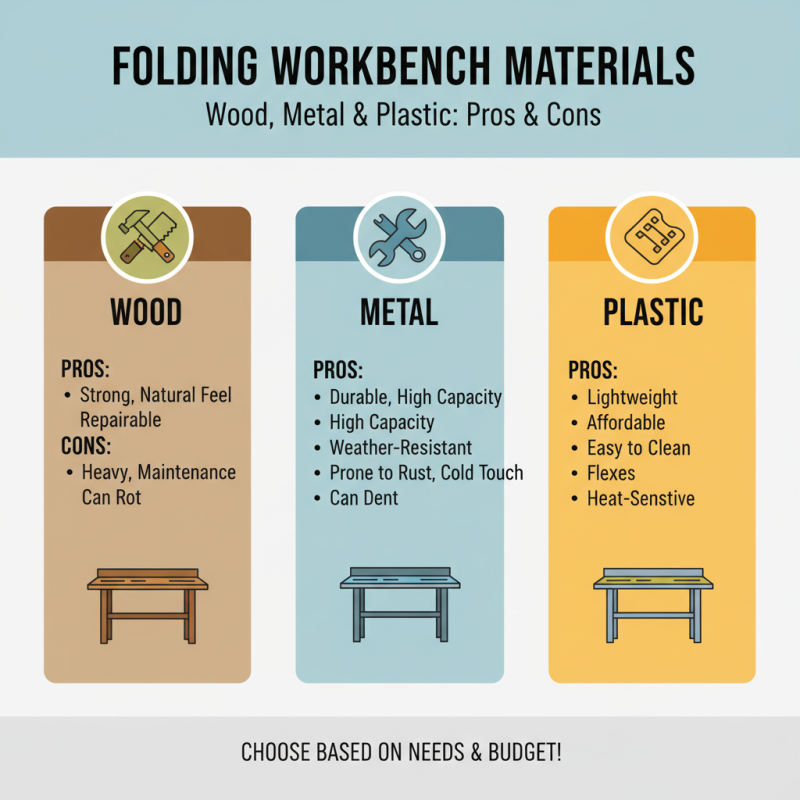
Material Choices: Wood, Metal, and Plastic Options Explained
When selecting the best folding workbench, one crucial factor to consider is the material. The three primary options available are wood, metal, and plastic, each with its unique advantages and disadvantages.
Wooden workbenches are often favored for their durability and stability, providing a solid surface for various tasks. They can withstand heavy loads and are ideal for woodworking projects. However, they can be heavier than other options and may require additional maintenance to prevent warping or damage from moisture.
Metal benches, on the other hand, are known for their strength and longevity. They are typically more resistant to wear and tear, making them suitable for heavy-duty applications. While they can be more expensive upfront, the investment often pays off in terms of durability. The downside is that metal workbenches may be heavier and less portable.
Plastic workbenches are lightweight and easily portable, making them a great choice for those who need a bench for occasional use or for various locations. While they may not provide the same level of stability as wood or metal, they are resistant to water and rust, which makes them low-maintenance.
**Tips:** When choosing material, consider the tasks you'll be performing and how often you'll need to move the bench. If portability is a priority, go for plastic; if you need a stable, heavy-duty surface, opt for wood or metal. Always check the weight capacity of the workbench to ensure it suits your needs.
Weight Capacity and Stability: Ensuring Safe Usage
When selecting a folding workbench, one of the primary considerations should be its weight capacity and stability. According to a report by the Furniture Industry Association, the average weight capacity for a standard folding workbench ranges from 300 to 600 pounds. However, it is crucial to assess not just the maximum weight the bench can hold, but also how it maintains stability under load. A workbench that wobbles or shifts can introduce safety risks, leading to accidents or damaging your project materials.
Stability is often determined by the design and materials used in construction. A well-constructed folding workbench should feature robust legs and a secure locking mechanism to prevent unintended collapses. In a study conducted by the Workbench Safety Council, nearly 40% of workplace injuries related to equipment failures were linked to unstable work surfaces. This highlights the importance of testing the bench for stability before committing to a purchase.
Look for models that have been tested for load-bearing capabilities and have certifications from recognized safety organizations, as these factors can greatly enhance the reliability and safety of your workbench, ensuring that it meets your specific needs efficiently and securely.
Budgeting for Your Folding Work Bench: Cost vs. Quality
When selecting a folding workbench, one of the critical factors to consider is the balance between cost and quality. A workbench that is too inexpensive may compromise durability, leading to future expenses on replacements or repairs. Conversely, investing in a higher-quality workbench can yield long-term benefits, offering better stability, materials, and essential features suitable for various projects. Therefore, it’s essential to assess how much you are willing to spend while keeping functionality in mind.
Tips: To strike a balance between cost and quality, start by determining your specific needs. Ask yourself what types of projects you'll mainly use the workbench for. For occasional home repairs, a mid-range model may suffice, while a more intensive workshop may require a heavy-duty option. Additionally, consider looking for sales or discounts on well-built folding workbenches that have garnered positive user reviews.
Another important tip is to examine the warranty and customer support offered with your chosen workbench. A product backed by a solid warranty often indicates the manufacturer's confidence in its quality. Don't hesitate to reach out to customer service with questions before purchasing; their responsiveness can give you insight into the level of support you can expect after your investment. Remember, spending a little more initially can save you money and frustration in the long run.
User Reviews and Brand Reputation: Making an Informed Choice
When selecting a folding workbench, understanding user reviews and the reputation of the brands is crucial for making an informed choice. Users often share their real-life experiences, which can highlight the strengths and weaknesses of specific models that may not be evident from just product specifications. Pay attention to comments regarding portability, stability, and ease of setup, as these features are typically critical for anyone in need of a functional workspace.
Tips: Look for products with a high volume of reviews and a favorable rating. A model that has been well-reviewed by many users often signifies reliability. Additionally, reading reviews from users who have similar needs to yours can provide clarity on how the workbench might perform in your specific situation.
Brand reputation also plays a significant role in your decision-making process. Established brands usually have a history of quality and customer service that can offer peace of mind. However, don’t overlook newer companies that may provide innovative solutions and competitive pricing. Reviews can reveal how responsive a brand is to issues, which can be just as important as the product itself.
Tips: Research brand history and customer support ratings. A company that values its customers is likely to stand behind its products and assist with any potential issues after purchase.
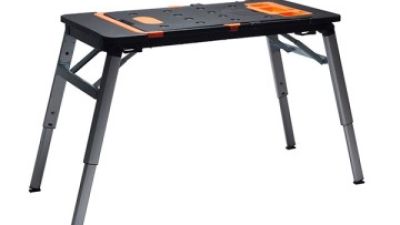
Maximize Your DIY Potential: A Comprehensive Guide to the 7 in 1 Work Bench TH6101032
The 7 in 1 Work Bench TH6101032 is designed for DIY enthusiasts and professionals alike, providing versatility and efficiency in a compact format. As home improvement projects gain popularity, reported by the Home Improvement Research Institute, the DIY market has been projected to reach $763 billion by 2024. This rapid growth emphasizes the need for multi-functional tools that streamline tasks and maximize productivity, making the 7 in 1 work bench an essential addition for any workshop.
This innovative workbench allows users to switch between seven different configurations, catering to a variety of tasks such as sawing, sanding, and assembling. The ability to adapt to multiple functions not only saves space but also time, creating a more productive work environment. According to a report from the DIY Institute, 70% of DIYers cite efficiency as a key factor in their project execution, highlighting how a versatile workstation can significantly enhance their workflow.
Furthermore, with more homeowners opting to take on their renovations, the demand for reliable and multifunctional workstations is more critical than ever. Surveys indicate that 56% of people engaging in home improvement projects are looking for tools that promote ease of use and adaptability. The 7 in 1 work bench addresses this need, ensuring that whether you're a seasoned craftsman or a novice DIYer, you have the right equipment to complete your projects effectively.
FAQS
: It is important to select a workbench that can support the materials and tools you plan to use. Check the specifications for maximum load limits to ensure the bench fits your intended applications, whether it's for woodworking, crafting, or general repairs.
Stability features like reinforced legs or a locking mechanism help prevent wobbling while you work, ensuring a safe and efficient workspace.
Consider the amount of workspace you need and whether the bench will fit in your intended location. A compact, lightweight design is ideal for those who frequently move or store their equipment.
It’s essential to find a balance between cost and quality to ensure durability and functionality. A workbench that is too inexpensive may lack longevity, while a higher-quality option can provide long-term benefits.
Assess the types of projects you'll be using the workbench for. For occasional repairs, a mid-range model may suffice, while more intensive projects may require a heavy-duty option.
User reviews provide insights into the strengths and weaknesses of specific models, which can help you understand the usability features like portability, stability, and ease of setup.
Brand reputation can indicate the quality of a product and the level of customer service. Established brands may offer reliability, but newer companies can also present innovative solutions at competitive prices.
A solid warranty often reflects the manufacturer’s confidence in their product. It’s important to check the warranty details and customer support offered to understand the level of assistance available after your purchase.
Research user reviews, compare ratings, and consider the experiences of users with similar needs to your own. Additionally, examine the brand’s history and customer support ratings for a comprehensive understanding.
Conclusion
When selecting the best Folding Work Bench for your needs, it is essential to understand the various types available and their key features. Consider aspects such as size, portability, and material choices, as folding work benches come in wood, metal, and plastic options, each offering unique benefits for different tasks. Weight capacity and stability are crucial for ensuring safe usage, while budgeting requires balancing cost versus quality.
It’s also wise to look at user reviews and brand reputation, which can guide you in making a well-informed decision. By carefully assessing these factors, you can choose a folding work bench that suits your specific requirements and enhances your workspace efficiency.


 +86-13905742713

 CONTACT NUMBER
 CONTACT NUMBER