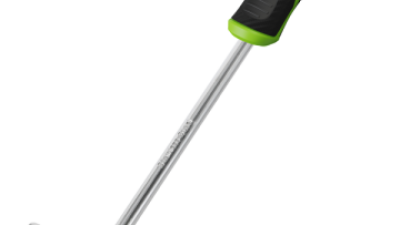
Picking out the right Lawn Dethatcher Rake can make a pretty big difference in how healthy your lawn actually looks. Honestly, a lot of homeowners tend to overlook this handy little tool, but it’s super important. A good dethatcher helps get rid of thatch — you know, the layer of dead grass and roots — which allows air, water, and nutrients to really reach the soil. Doing this can really turn your lawn from patchy and dull into lush and green.
When you’re shopping for a lawn dethatcher rake, think about your lawn’s size and the kind of grass you’ve got. If you’ve got a big yard, a wider rake is going to save you some time. But if you’re only working in tight spots or small patches, a smaller one will do the trick. Also, don’t forget about the materials — a sturdy, well-built rake will last much longer and stand up to repeated use.
If you’re unsure what to pick, chatting with some experts can be helpful — but keep in mind, not all advice fits everyone’s situation. Sometimes, what works great for one person might not be ideal for another, especially based on personal experience. So, take your time, think it through, and trust your gut. The more thoughtful you are about choosing the right tools, the better your lawn care journey will be — and in the end, that lush, healthy lawn is totally worth it.
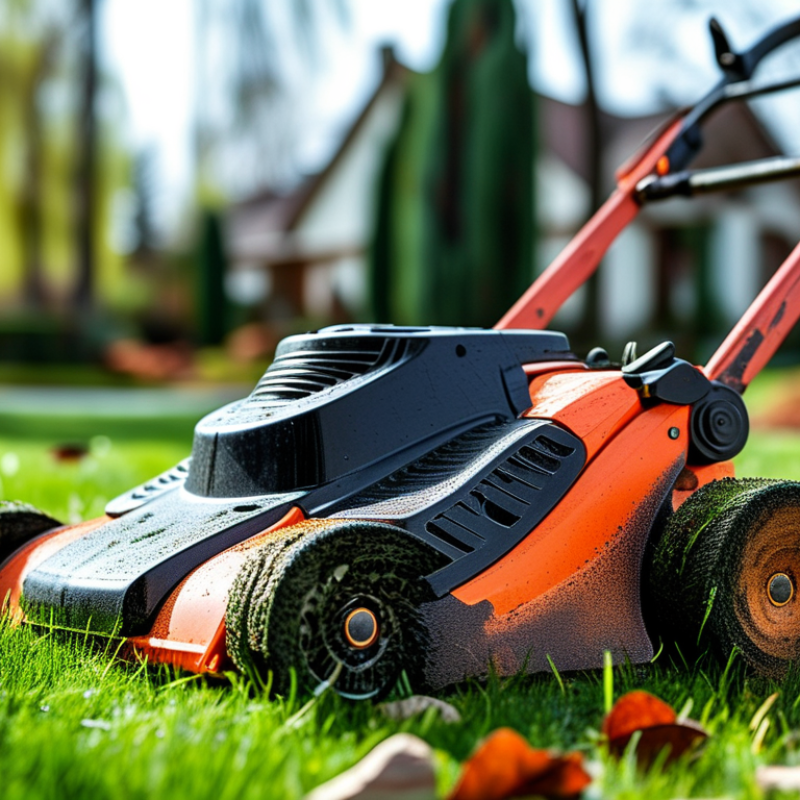
Understanding Lawn Dethatching: Importance and Benefits in Lawn Care
Lawn dethatching is crucial for maintaining a healthy lawn. Thatch, a layer of dead grass and organic material, can hinder water and nutrients from penetrating the soil. According to the Turfgrass Water Conservation Alliance, a lawn with excessive thatch (over ½ inch) can lose up to 40% of its water absorption capacity. This can lead to uneven growth and increased susceptibility to pests.
The benefits of dethatching extend beyond water absorption. By reducing thatch, your lawn can experience improved air circulation. A study from the National Association of Landscape Professionals indicates that lawns with properly managed thatch levels have 15% more root development. Healthy roots can better absorb nutrients and withstand stressful conditions. Regular dethatching can enhance your lawn’s resilience, but timing is essential. Over-dethatching or improper technique can cause stress and damage.
Many homeowners overlook the importance of dethatching, often because they are unaware of its effects. The best practice involves using a dethatcher rake and assessing the lawn's unique needs. It's important to not only consider grass type but also soil condition and local climate. These factors can influence the overall success of your lawn care efforts. Each lawn tells a story, and understanding that story begins with recognizing the role of dethatching.
Types of Lawn Dethatchers: Manual vs. Electric vs. Gas-Powered Options
When choosing a lawn dethatcher, consider the type that best suits your needs. There are three main options: manual, electric, and gas-powered dethatchers. Each has its strengths and setbacks. Manual dethatchers are cost-effective and offer a satisfying workout but can be labor-intensive for larger areas. If you have a small yard, a manual rake may suffice.
Electric Lawn Dethatchers provide a balance of ease and efficiency. These options are lightweight and easy to use. They eliminate the need for gas and oil, which is environmentally friendly. However, they may struggle with dense thatch in larger lawns. For homeowners with extensive property, gas-powered dethatchers can be more robust and suitable. They tackle tough thatch quickly but can be heavy and require more maintenance.
Ultimately, your choice should reflect your lawn's size and your willingness to invest effort into maintenance. Each type has unique benefits and drawbacks. Choosing the right dethatcher can enhance your lawn's health, but it may also require some trial and error to find the best fit.
Key Features of a Quality Lawn Dethatcher Rake to Consider
When choosing a lawn dethatcher rake, key features play a significant role in achieving a healthy lawn. Look for the rake's material. Steel tines provide durability and effective thatch removal, while flexible tines offer gentler care for your grass. A lightweight design can make application easier, especially for larger yards. Ergonomic handles prevent strain during use, promoting comfort.
Consider the rake's width. A wider rake covers more ground but may be harder to maneuver in tight spots. Adjustable rake heights allow for versatility in tackling varying thatch thickness. A sturdy construction ensures it withstands frequent use, reducing the need for replacements.
Lastly, don't forget the maintenance aspects. Rakes with removable tines are easier to clean and replace. However, some users prefer fixed tines for their simplicity. Reflect on your lawn's unique needs and your physical capabilities. It may require testing different options before finding the right fit. Remember, an informed choice leads to better lawn care results.
Evaluating Rake Materials: Metal vs. Plastic and Their Durability
When choosing a lawn dethatcher rake, material plays a crucial role. Metal and plastic each offer unique benefits and drawbacks. Metal rakes typically boast superior durability. They can withstand tough conditions, making them ideal for heavy-duty use. According to a 2023 industry report, metal rakes last up to 30% longer than their plastic counterparts when used on established lawns.
On the other hand, plastic rakes are lightweight and user-friendly. For those with smaller yards or less frequent use, they can be an excellent choice. However, they may not perform as well under strain. Data suggests that plastic rakes can lose their shape after just a few seasons if used too aggressively. The choice between materials often boils down to personal need and lawn care habits.
The concept of a "Power Dethatcher" often ties into the conversation as well. These tools can enhance the effectiveness of both metal and plastic rakes. Evaluating how often you dethatch and the extent of the thatch build-up in your lawn can help determine the best option. Balancing the need for durability with ease of use is essential. Factors like budget and lawn size should also influence your decision.
Optimal Dethatching Techniques: Timing and Frequency for Best Results
Timing and frequency are crucial when dethatching your lawn for the best results. Dethatching should ideally take place in the spring or early fall. During these times, grass is actively growing, allowing it to recover quickly from the stress of dethatching. If you choose an improper time, your lawn could suffer from setbacks rather than improving.
Frequency depends on your lawn type. For cool-season grasses, dethatching every 3 to 4 years is often sufficient. In contrast, warm-season grasses may require dethatching every 1 to 2 years. Monitor the thatch layer closely. If it exceeds half an inch, it's time to act. Be cautious not to dethatch too frequently, as this can weaken the grass and lead to further problems.
When using a Garden Lawn Rake, ensure that you apply the correct technique. Rake in straight lines to effectively remove the thatch buildup. Uneven raking may leave patches behind, which can lead to an inconsistent lawn. Reflect on your previous experiences. If you noticed poor results, examine your technique and timing. Adjusting these elements can significantly improve your lawn's health and appearance.
Industry Insights: Expert Recommendations for Top Lawn Dethatcher Brands
When selecting a lawn dethatcher rake, expert insights can guide you. According to industry reports, an average lawn takes about 30 minutes to dethatch using a manual rake. This tool helps to remove layers of thatch, promoting healthy grass growth. In 2026, the trend shows that homeowners are prioritizing ease of use and durability in their choosing process.
Research indicates that around 65% of gardeners prefer rakes with ergonomic designs. These designs reduce strain on the hands and back, enhancing user experience. Moreover, rakes made from high-quality materials tend to have longer lifespans. However, it's important to remember that using less durable options may lead to more frequent replacements.
The National Gardening Association states that a well-maintained lawn can increase property values by up to 15%. This finding emphasizes the significance of effective dethatching. Many homeowners overlook the necessity of this tool. Understanding the balance between cost and quality becomes crucial. Investing in the right rake can be a game-changer for your lawn maintenance routine. Finding a reliable source of information is essential for making the best choice.
Analyzing Customer Reviews: What Users Say About Performance and Reliability
When selecting a lawn dethatcher rake, customer reviews offer valuable insights into performance and reliability. Users often emphasize the importance of durability. Many report that rakes with reinforced tines tend to last longer. A study from the Lawn Care Association states that nearly 70% of users prefer rakes they can use for multiple seasons. This data underscores the necessity for purchasing a robust tool.
Performance feedback often reveals varied experiences. Customers frequently mention the effectiveness of "Lawn Scarifier Rake" in tackling thatch build-up. Positive reviews highlight improved grass growth following dethatching. However, some users encounter challenges with rakes that have tines too short or flimsy. Reflection on such criticisms points to the need to test different brands before deciding. Balancing cost and effectiveness can be tricky, especially with products that may not meet expectations.
Reliability is pivotal. Customers appreciate clear instructions for use and maintenance. A survey by Turf Magazine noted that 85% of users report better results when they follow proper dethatching techniques and schedule. However, many admit to overlooking these details initially. Users sometimes learn the hard way about the right timing and method. This reality calls for a mindful approach to lawn care tools and techniques, ensuring satisfaction with your choice of lawn dethatcher rake.
Enhancing Garden Work Efficiency: Insights from Industry Reports on the Benefits of Stainless Steel Rakes Like TG21071007-E
When it comes to gardening, efficiency is key to maintaining a thriving outdoor space. Recent industry reports highlight how stainless steel tools, like high-quality rakes, can significantly enhance garden work performance. Stainless steel rakes are not only durable but also resistant to rust and corrosion, ensuring that gardeners can rely on them season after season. Their sturdy design allows for easy maneuvering through soil and debris, making tasks such as raking leaves or leveling soil more manageable and less time-consuming.
Moreover, the ergonomic design of these rakes often reduces strain on the user's back and hands, enabling longer periods of gardening without discomfort. The lightweight nature combined with the strength of stainless steel makes it a practical choice for both amateur and professional gardeners alike. As reports continue to underscore the advantages of investing in quality gardening tools, it's clear that stainless steel rakes are a smart addition to enhance productivity and improve overall gardening experience. This focus on efficiency not only saves time but also leads to better garden outcomes, making it an essential consideration for any gardening enthusiast.
FAQS
: Metal and plastic are the main materials. Metal is durable, while plastic is lightweight.
Metal rakes last up to 30% longer than plastic rakes. They endure tough conditions better.
Plastic rakes are user-friendly and lightweight. They're suitable for smaller yards and less frequent use.
No, they may lose shape after a few seasons if used too aggressively. This can be disappointing.
Ideal times are in spring or early fall. Grass grows actively then, aiding recovery from dethatching.
Every 3 to 4 years is generally sufficient. Overdoing it can weaken the grass.
Yes, using straight lines ensures effective removal of thatch. Uneven techniques can leave patches behind.
It can weaken your grass and lead to other problems. It’s vital to monitor the thatch layer.
Reflect on past experiences and adjust your technique and timing. It can significantly improve outcomes.
Consider durability, ease of use, budget, and lawn size. Personal needs matter in the decision.
Conclusion
Choosing the best Lawn Dethatcher Rake in 2026 involves understanding its importance in maintaining a healthy lawn. Lawn dethatching is crucial as it helps remove thatch buildup, promoting better air circulation, nutrient absorption, and overall grass health. When selecting a dethatcher rake, consider the various types available, including manual, electric, and gas-powered options, each with its own set of advantages and disadvantages.
Key features to look for in a quality Lawn Dethatcher Rake include durable materials, efficient raking mechanisms, and ergonomic designs for ease of use. Additionally, understanding the optimal timing and frequency for dethatching can significantly impact the effectiveness of your lawn care efforts. Evaluating customer reviews will provide insight into the performance and reliability of different rakes, helping you make an informed decision for your lawn care needs.


 +86-13905742713

 CONTACT NUMBER
 CONTACT NUMBER