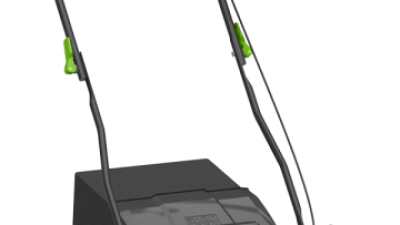
When you're caring for your lawn, picking the right tools can seriously make a big difference. Tools like scarifiers and rakers are actually pretty important if you want a beautiful, healthy yard. They do more than just remove thatch— they also help air get through the grass and nutrients to reach the roots, which is super helpful. Honestly, a lot of homeowners don’t really get how beneficial a Scarifier And Raker can be, and that can lead to their lawns not looking as good as they could.
Brands like Bosch and Makita have some great options, and they’re designed to fit different lawn sizes and needs. Their newer models are pretty clever, making operations smooth and saving you time and hassle. That said, not every model is perfect for everyone—especially if you’re new to this stuff. Some features might seem confusing or hard to handle at first, which can be a bit off-putting.
Figuring out which Scarifier And Raker work best for your lawn really depends on understanding what your yard needs. Think about your lawn size and how much thatch you’re dealing with. Making an informed decision here will definitely pay off with a greener, healthier lawn. At the end of the day, finding the right tool is all about doing a bit of homework and figuring out what fits *you* and your yard best.
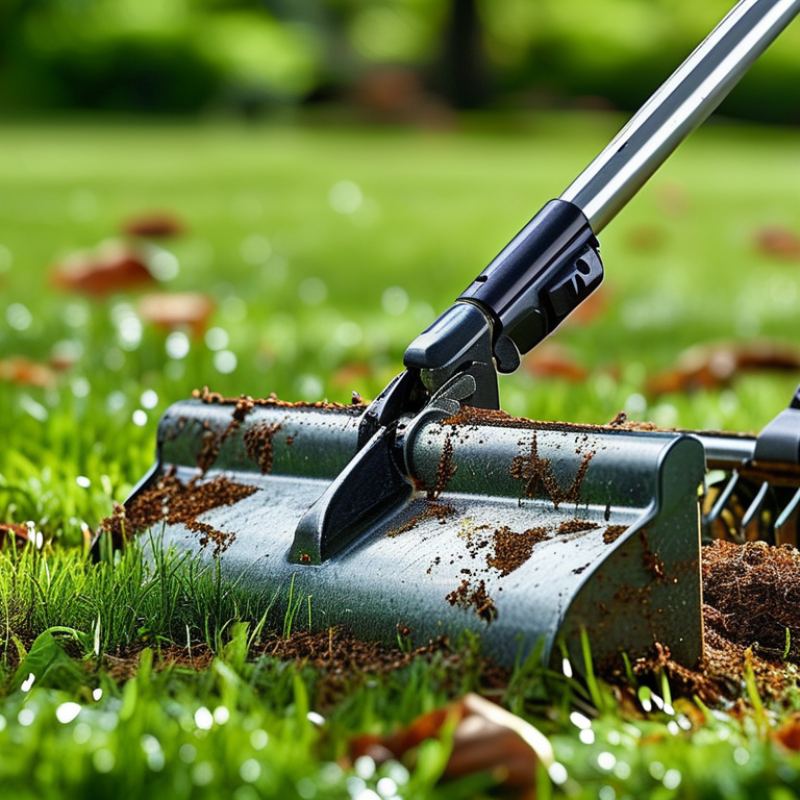
Understanding Scarifiers and Rakers: An Overview
Scarifiers and rakers are essential tools for maintaining a healthy lawn. Scarifiers, also known as dethatchers, help remove layers of thatch. Thatch can hinder grass growth by blocking air, sunlight, and water. In contrast, rakers focus on gathering leaves and debris. This distinction is crucial for effective lawn care.
Using a 1500w 2 In 1 Scarifier And Rake combines both functions. This tool can efficiently reduce thatch buildup while also raking leaves. Many gardeners overlook the importance of regular maintenance. A well-scarified lawn promotes healthy soil and grass. It’s important to monitor the depth of scarification. Too deep can damage roots, while too shallow may leave thatch intact.
Choosing the right tool requires understanding your specific lawn needs. Some lawns may need more frequent raking than scarifying. Seasonal changes also influence these needs. Reflect on your lawn's condition throughout the year. Regular assessments will lead to better lawn health and aesthetics.
What Are the Best Scarifiers and Rakers for Your Lawn?
| Type | Working Width (cm) | Power Source | Weight (kg) | Price Range ($) |
| Scarifier | 30 | Electric | 15 | 150 - 250 |
| Raker | 40 | Gas | 20 | 200 - 350 |
| Scarifier | 35 | Electric | 18 | 180 - 280 |
| Raker | 45 | Cordless | 22 | 250 - 400 |
| Scarifier | 50 | Gas | 25 | 300 - 500 |
The Importance of Lawn Scarification for Healthier Grass
Lawn scarification plays a vital role in maintaining healthy grass. It involves removing thatch, which is a layer of dead grass and organic matter that builds up over time. According to the Lawn Institute, excessive thatch can restrict water and nutrient intake, potentially harming your lawn. Regular scarification can improve air circulation, allowing grasses to breathe better.
Research indicates that scarifying a lawn can increase its resilience. A study revealed that scarified lawns show up to 25% more growth in the spring. This is due to the higher uptake of nutrients and improved root development. Many homeowners skip this crucial process, leading to thin, unhealthy lawns.
Tips: Consider scarifying your lawn at least once a year. It is best done in early spring or early autumn when the grass is actively growing. Ensure your scarifier is set to the correct depth; too deep can damage the grass. Observing your lawn's health over time can reveal areas needing improvement. Monitor the after-effects; if you see patches of dying grass, reevaluate your technique. Regularly assess your lawn's needs and adjust your care routine accordingly.
Comparison of Lawn Scarifiers and Rakers
This chart compares the effectiveness scores of different scarifiers and rakers based on their performance in lawn care. Higher scores indicate better results in maintaining healthy grass.
Types of Scarifiers: Manual vs. Electric and Their Pros and Cons
When considering scarifiers, it’s essential to choose between manual and electric options. Manual scarifiers require more physical effort. They are quiet, eco-friendly, and typically less expensive. However, they may not be suitable for large lawns. Electric Scarifiers, on the other hand, are easier to use and save time. They effectively remove thatch and moss, but they rely on electrical power and can be heavier.
Tips: If you opt for a manual model, ensure it has comfortable handles. This will minimize strain on your hands and back. When using an electric scarifier, check the cable length. You may need an extension cord for larger areas.
Evaluate your lawn size and your own strength when choosing. A smaller, well-kept lawn might benefit from a manual scarifier. For larger or neglected lawns, an electric option may be more practical. Keep in mind that your choice should also consider the landscape’s terrain. Maintaining a healthy lawn involves knowing which tools suit your needs.
Selecting the Right Raker: Features to Consider
Selecting the right raker involves assessing several key features. A suitable raker should have adjustable working depths. This flexibility allows you to customize the raking process according to the condition of your lawn. A good handle is also crucial. Look for ergonomically designed handles that offer a firm grip. It enhances control and reduces strain during use.
When considering durability, materials matter. Steel rakes typically last longer than plastic ones. However, some plastic options are lightweight, making them easier to maneuver. Think carefully about how you will use the raker. Will it be for light maintenance or heavy-duty work? Your answer will guide your choice in the right Lawn And Garden Tools.
Tip: Test the raker in-store if possible. This will help you feel its weight and balance. You want a tool that feels comfortable in your hands. Also, take note of maintenance requirements. Some tools require regular cleaning to function effectively. Inadequate care can lead to rust, which shortens their lifespan. Your lawn deserves the best. Choose wisely!
Top Brands and Models of Scarifiers and Rakers on the Market
When it comes to maintaining a lush lawn, scarifiers and rakers are essential tools. Scarifiers work by removing thatch buildup to promote healthy grass growth. Rakers, on the other hand, help in aerating the soil and loosening compacted areas. The market offers various models, each with unique features tailored to different lawn needs.
Choosing the right model can be tricky. Look for one with adjustable heights for versatile use. Some machines offer electric power options, which are quieter and easier to handle. Pay attention to the weight, as a lightweight model can be maneuvered easily across different terrains. Also, consider ease of storage. Compact models take up less space and are simple to transport.
Tips: Regular maintenance is crucial. Clean the blades after each use to ensure optimal performance. Also, consider pairing your scarifier with a Leaf Blower And Mulcher. This combination can quickly clear away debris, making your lawn care routine more efficient. You might find that not all brands deliver consistent results. Research reviews to find models that have proven reliable.
Maintenance Tips for Your Scarifier and Raker
Maintaining your lawn's health requires thoughtful care. Scarifiers and rakers play critical roles in aerating the soil and removing thatch. Regular maintenance of these tools enhances their effectiveness and prolongs their lifespan. Clean your scarifier and raker after each use. Remove debris and grass clippings. A clean tool performs better and prevents rust.
Sharpen the blades periodically for optimal performance. Dull blades can damage the lawn instead of helping it. Inspect the tools for wear and tear. Replace parts as necessary to maintain efficiency. It's easy to overlook these details, but neglect can lead to costly replacements.
Store your equipment in a dry, cool place. Protect them from extreme weather to avoid corrosion. Using covers can be beneficial, especially in harsh climates. Consider keeping a maintenance log. Tracking usage and care routines can help identify patterns that need adjustment. This reflective approach ensures consistently healthy lawn care.
Best Practices for Using Scarifiers and Rakers Effectively
Using scarifiers and rakers effectively can drastically improve your lawn's health. Scarifiers remove thatch, a layer of dead grass that can suffocate your lawn. Research shows that lawns with excessive thatch can suffer a 30% reduction in water absorption. Removing this barrier enhances nutrient uptake and encourages deeper root growth.
When employing these tools, timing is crucial. Spring and early fall are ideal times for scarification. This allows the lawn to recover quickly as temperatures rise. It's recommended to scarify when your grass is actively growing. Always inspect the soil moisture before starting. Dry soil can lead to damage, while overly wet soil can create mud.
Using scarifiers and rakers requires more than just technique. It's essential to sharpen your tools frequently to maintain efficiency. According to industry standards, dull tools can reduce effectiveness by up to 50%. Regular maintenance of your Hand Tools And Hardware will ensure optimal performance and longevity. Ultimately, remember that your lawn may need multiple passes for complete thatch removal, reflecting the importance of patience and persistence in lawn care.
Enhancing Lawn Health: The Impact of 1800W 37cm Scarifier and Rake 2 in 1 on Turf Management Efficiency and Sustainability
Enhancing lawn health is a multifaceted challenge that relies heavily on effective turf management practices. The introduction of powerful tools like the 1800W 37cm Scarifier and Rake 2 in 1 demonstrates a significant advancement in lawn care technology. This innovative device simplifies the process of scarifying and raking, allowing homeowners and landscapers to promote healthier grass by effectively removing thatch and debris. A well-maintained lawn not only enhances the aesthetic appeal of outdoor spaces but also contributes to the overall ecosystem, supporting better air quality and biodiversity.
Utilizing a scarifier and rake in combination fosters improved turf management efficiency, which is crucial for cultivating sustainable green spaces. This dual-action equipment encourages stronger root development, increases water infiltration, and enhances nutrient uptake, ultimately leading to a more resilient lawn. Moreover, by reducing the reliance on chemical treatments and intensive mowing, this approach fosters a more environmentally friendly lawn care routine, addressing the growing need for sustainability in gardening practices. By investing in modern lawn care tools, homeowners can effectively manage their turf while promoting ecological health and reducing their environmental footprint.
FAQS
: Scarifiers help remove thatch, allowing air, sunlight, and water to reach grass roots.
Regular use depends on your lawn's condition. Monitor your lawn throughout the year for best results.
Rakers gather leaves and debris, while scarifiers remove thatch buildup.
Consider your lawn size. Manual scarifiers are great for small lawns, while electric ones suit larger areas.
Clean tools after use, sharpen blades regularly, and inspect for wear and tear.
Too deep scarifying can damage grass roots, harming lawn health.
Store them in a dry, cool place to prevent rust and damage.
Track usage and care activities to identify needed adjustments for optimal lawn care.
Yes, they are quiet and use no electricity, making them an eco-friendly choice.
Seasonal changes impact growth and thatch buildup, so assess your lawn periodically.
Conclusion
Scarifiers and rakers are essential tools for maintaining a healthy lawn by improving air circulation, reducing thatch build-up, and promoting grass growth. Understanding the difference between manual and electric scarifiers, along with their respective advantages and disadvantages, is crucial for homeowners. When selecting a raker, key features such as durability, ease of use, and effectiveness should be considered to ensure optimal results.
Proper maintenance of your scarifier and raker will extend their life and enhance their performance. Best practices for using these tools effectively include timing your lawn care activities according to the season and soil condition. By implementing these strategies, you can achieve a lush and vibrant lawn, enhancing both its appearance and health.


 +86-13905742713

 CONTACT NUMBER
 CONTACT NUMBER