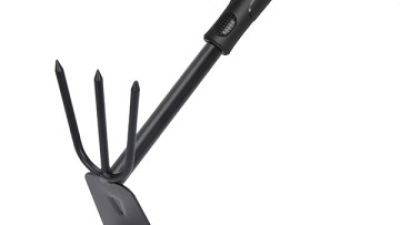
When it comes to taking care of your lawn, choosing the right gear really makes a difference in how healthy and lush your yard ends up looking. I’ve heard folks like James Turner from Green Lawn Solutions say that “a good Scarifier And Raker can totally transform your lawn from dull and lifeless to vibrant and green.” With over 15 years in the game, he stresses just how important quality tools are if you want that thick, beautiful grass. Honestly, it’s so true!
Deciding on the best scarifier and raker for your lawn isn’t always straightforward, though. Things like how big your yard is, what kind of soil you’ve got, and the type of grass matter a lot. Sometimes people overlook how crucial aeration and dethatching are—skipping these steps can leave your lawn looking patchy and feeling unhealthy. But, let’s be real—nailing down the perfect model can feel kinda overwhelming with so many options out there. Every brand claims to be the best, after all.
It’s really worth looking into features like whether it’s powered by a cord or battery, the width of the machine, and if it allows for adjustable depth. Not all models are suitable for every lawn, and I’ve seen plenty of folks deal with frustrations like poor performance or tricky handling. So, do your homework—read reviews and don’t hesitate to ask for expert opinions. After all, a well-kept lawn isn’t just about looks; it shows you care and know what you’re doing. Picking the right scarifier and raker isn’t just a purchase—it's a key step toward creating a healthy, vibrant outdoor space that you’ll want to enjoy every day.
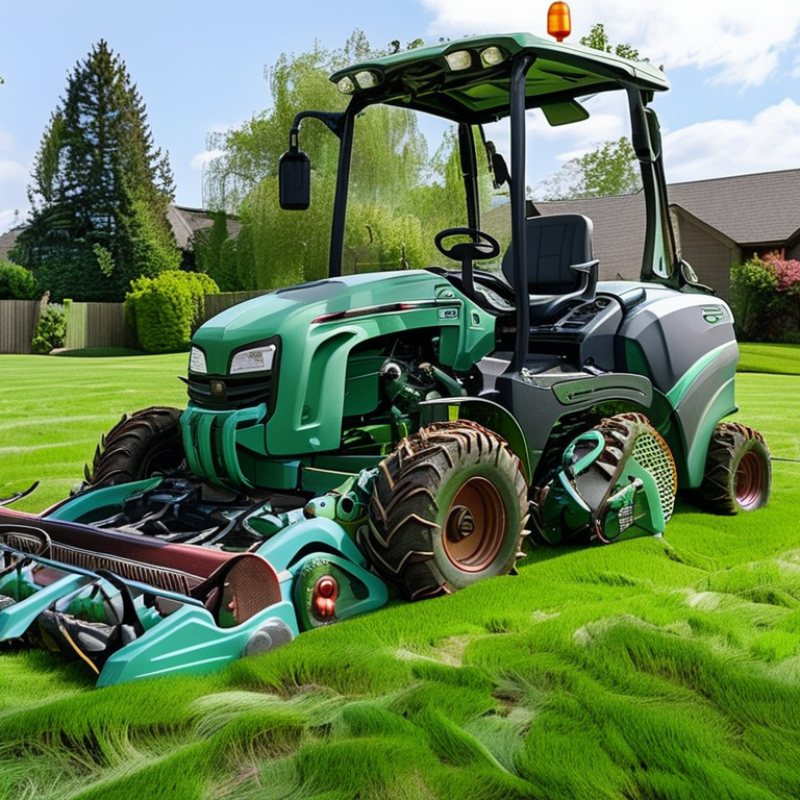
Understanding Scarifiers and Rakers: Definitions and Differences
Scarifiers and rakers are essential tools for lawn care, each serving unique functions. Scarifiers, also known as dethatchers, remove thatch—dead grass and organic matter that can impede lawn health. Rakers, however, focus on collecting debris from the lawn surface. A 2022 report from the Lawn Care Industry Association noted that lawns with regular scarification are 30% healthier than those that aren’t treated.
Understanding the differences is crucial for choosing the right tool. Scarification promotes air circulation, allowing nutrients to reach the soil. In contrast, raking clears away the remnants of the growth cycle. Based on user experience, many homeowners find that using a 1500w 2 In 1 Scarifier And Rake can effectively simplify the process, combining both functions in a single device.
Tips: Always assess your lawn's needs before purchasing. If your grass feels spongy or waterlogged, a scarifier is likely needed. For quick clean-ups post-mowing or seasonal changes, consider a raker. Regular use of these tools can enhance lawn vitality, but overuse can lead to stress. Too much scarification can damage roots. Striking a balance is key to maintaining a lush, healthy lawn.
Key Features to Look for in a 2026 Scarifier
When selecting a scarifier for lawn care in 2026, several key features should be prioritized. A high-quality scarifier should possess adjustable working depths to cater to varying soil conditions. This adaptability allows for effective thatch removal without damaging healthy grass. Reports show that lawns generally thrive when thatch levels fall below 0.5 inches. This is critical for ensuring the health of your lawn and supporting robust grass growth.
Another important aspect is the width of the scarifier’s working path. Models with wider paths can accomplish more in less time. Data suggests that a 15-inch working width can reduce the time needed for scarifying by nearly 30%. Look for machine weight as well; a heavier unit often penetrates the soil better. However, an overly heavy machine can be cumbersome and may require additional effort during operation.
Ease of use is also vital. Ergonomic designs and lightweight structures contribute to user-friendliness, enabling casual gardeners to operate effectively without straining themselves. Some scarifiers come with features like foldable handles for easy storage. Regular maintenance, such as checking the blades, is crucial. Dull blades are ineffective and can lead to water loss in the soil. Lawn And Garden Tools should facilitate your efforts, not complicate them.
2026 Best Scarifier and Raker Features Comparison
The Top 5 Scarifiers for Efficient Lawn Care in 2026
When selecting a scarifier for lawn care, several options stand out in 2026. These tools help manage thatch buildup effectively. A scarifier breaks up compacted soil and removes debris. The outcome is healthier grass and improved drainage. A common misconception is that these machines are only for larger lawns. In truth, they can benefit small spaces too.
Among the top choices, you’ll find versatility. Some models also function as a Leaf Blower And Mulcher, which adds value. Look for features like adjustable heights and interchangeable blades. These can tailor your lawn care experience. While many machines boast advanced technology, simplicity matters too. Sometimes, manual adjustments lead to better results in small garden areas.
While looking for the perfect scarifier, remember to assess your lawn's unique needs. Not all lawns require the same treatment. There might be a learning curve with more sophisticated models. User reviews often highlight the importance of ease of use. It’s worth considering how often you’ll need it. Maintenance is a key factor; some machines require more care than others. In the end, finding the right balance between functionality and user-friendliness can lead to a healthier lawn.
2026 Best Scarifier and Raker for Lawn Care What to Choose?
| Model | Type | Power Source | Cutting Width | Weight | Price ($) |
| Scarifier X100 | Electric | Corded | 16 inches | 50 lbs | 249.99 |
| Raker Pro 3000 | Gas | Gasoline | 18 inches | 65 lbs | 349.99 |
| Eco Scarifier ZY | Manual | N/A | 15 inches | 20 lbs | 89.99 |
| Scarifier Turbo 500 | Electric | Cordless | 20 inches | 55 lbs | 299.99 |
| Rake Master 200 | Electric | Corded | 14 inches | 45 lbs | 199.99 |
Best Rakers of 2026: A Comparative Review
When it comes to lawn care, choosing the best raker is crucial for a healthy lawn. In 2026, several models stand out due to their design and efficiency. While some rakers provide excellent grass dethatching, others may not perform as expected. Consider this when selecting your tool.
For those new to lawn care, remember that the right technique matters. Overzealous raking can damage your grass. Aim for a gentle approach to avoid tearing up the roots. Just like in selecting Hand Tools And Hardware, comfort and ergonomics plays a big role. A tool that feels good in your hand encourages consistent use.
Prioritizing durability is essential too. Many rakers wear down quickly due to poor construction. Look for options that ensure longevity, even if they come at a higher initial cost. Balancing price and quality is often tricky, and it demands careful reflection. Always read user reviews for real-world feedback. It's a step that shouldn’t be overlooked.
Factors to Consider When Choosing a Scarifier or Raker
When choosing a scarifier or raker, it’s important to consider several factors. The size of your lawn is crucial. Larger gardens may benefit from more powerful machines, while smaller spaces can work with lightweight options. Think about the frequency of use. Regular lawn maintenance calls for a durable tool. A more robust scarifier can handle constant wear.
Another significant factor is the type of soil you have. Clay-heavy soils require stronger raking. If your lawn has a lot of thatch buildup, opt for a model that effectively removes it. Electric and gas-powered options exist, each with its own pros and cons. Electric models are quieter and easier to start. However, gas-powered tools offer greater mobility and power.
Weight and functionality should not be overlooked. A heavier scarifier might be cumbersome, but it can provide deeper penetration into the soil. Consider attachments or features for added versatility. A tool that combines scarifying and raking may seem appealing initially. However, it might not perform as well as dedicated machines. Reflecting on your needs and lawn conditions will lead you to the right choice.
User Tips for Maximum Efficiency in Lawn Care
When it comes to achieving a lush and healthy lawn, effective lawn scarifying and raking are crucial. Scarifying helps to remove thatch, a layer of dead grass and organic matter. Industry studies indicate that a lawn with excessive thatch can suffer up to 30% less water absorption. This can lead to unhealthy grass growth and increased disease risk. Using the right tools enhances productivity and ensures the best results.
Efficient techniques can maximize the benefits of your lawn care efforts. Always ensure blades are sharp to avoid damaging healthy grass during the process. Research suggests that scarifying should ideally be done in spring or early autumn when grass growth is robust. These periods allow the lawn to recover quickly. Additionally, consider varying the direction of your scarifying passes to disrupt compacted soil and promote better aeration.
Timing matters. Incorrect timing can hinder your results. For instance, scarifying in summer heat may stress your lawn. Also, remember that not all areas need the same level of treatment. Over-scarifying can lead to patchy areas, prompting unnecessary repairs. Observing your lawn regularly helps identify areas that need attention. After implementing scarifying and raking, regular maintenance is vital for long-term health.
Maintenance Tips for Scarifiers and Rakers to Ensure Longevity
When it comes to maintaining a lawn, using scarifiers and rakers correctly is crucial. Regular service can enhance the lawn's health by promoting better air circulation. According to a 2022 industry report, well-maintained lawns can increase property value by up to 15%. However, proper maintenance of your scarifiers and rakers is often neglected.
Cleaning your equipment after each use is essential. Grass clippings and debris can accumulate, leading to rust and decreased efficiency. A simple wipe with a dampl cloth can do wonders. Inspections for wear and tear should be routine, with blade replacement recommended every 50 hours of use. At this frequency, you ensure optimal performance and longevity.
Additionally, lubricating moving parts is vital for smooth operation. Studies indicate that neglected lubricants can reduce equipment lifespan by as much as 30%. Regular maintenance might seem tedious, but it pays off when your tools last for years. Investing time in these upkeep tasks can dramatically improve the performance and life span of your lawn care tools.
Enhancing Gardening Efficiency: Insights from Industry Reports on the Benefits of Using Garden Hoes and Cultivators like TG21041017-B
In recent years, the gardening industry has seen a notable shift towards employing specialized tools to enhance efficiency and productivity. According to industry reports, the adoption of gardening implements such as hoes and cultivators has substantially increased, leading to improved soil conditions and ultimately, healthier plant growth. A key component of this shift is the ergonomic design and versatility of tools like the TG21041017-B, which allows gardeners to tackle various tasks with ease.
Research indicates that using cultivators not only saves time but also promotes better aeration of the soil, leading to improved nutrient absorption for plants. Data from recent surveys suggest that gardeners who utilize high-quality hoes and cultivators can increase their output by up to 30%, as they make it easier to manage weeds and break up compacted soil. Furthermore, the ergonomic advantages of modern gardening tools contribute to reducing strain and fatigue, allowing gardeners to work longer and more efficiently.
In addition, the market analysis shows a growing trend towards sustainability, with gardeners favoring tools that require less energy and effort. The shift toward environmentally friendly practices emphasizes the importance of selecting the right equipment. Innovations in tool design, reflected in the insights from various reports, highlight that well-designed gardening implements not only enhance performance but are also crucial in supporting sustainable gardening methods, leading to a more fruitful and environmentally conscious gardening experience.
FAQS
: Look for adjustable working depths and a width of at least 15 inches. This helps manage thatch and time effectively.
A wider working path can reduce scarifying time by nearly 30%. Efficiency matters in lawn care tasks.
Heavier machines penetrate soil better. However, too much weight can make it hard to operate.
Ergonomic designs and lightweight structures improve usability. Features like foldable handles help with storage.
It's crucial. Dull blades impact performance and can lead to water loss in the soil. Check them often.
Use a gentle technique to avoid damaging grass roots. Overzealous raking can cause harm.
Rakers can wear quickly if poorly constructed. Investing in quality often pays off in the long run.
They provide real-world feedback and insights. Relying on reviews can guide you away from poor choices.
Often, yes. Quality tools may cost more up front but offer better durability and performance.
Neglecting technique can lead to grass damage. It's essential to prioritize the health of your lawn.
Conclusion
In the realm of lawn care, understanding the differences between a scarifier and raker is crucial for maintaining a healthy yard. Scarifiers are designed to remove thatch and moss, while rakers focus on clearing debris and promoting grass growth. When choosing a scarifier or raker for 2026, key features such as blade quality, power, and ease of use should be prioritized.
The article highlights the top five scarifiers and evaluates the best rakers available this year, providing a comparative overview to aid consumers in their decision-making. Additionally, it offers valuable tips for maximizing efficiency during lawn care tasks, as well as maintenance advice to enhance the longevity of your scarifier and raker. By considering these factors, users can select the most suitable equipment for their lawn care needs.


 +86-13905742713

 CONTACT NUMBER
 CONTACT NUMBER