Picking out the right Garden Compost Bin can really make a difference in your gardening game. Recycling kitchen scraps and yard waste efficiently is pretty much essential if you want healthy, thriving soil. There are quite a few options out there, each with its own set of features and benefits. Honestly, figuring out which one works best for you can feel a bit overwhelming until you get the hang of how composting works.
A lot of folks don’t realize just how important it is to invest in a good quality compost bin. It’s not just some container—you’re basically taking a step toward being more eco-friendly and sustainable. For example, brands like Epica are known for their sturdy designs, while others like compostBins offer more versatile choices. Every option has its pros and cons, so it’s no surprise if you feel a little unsure at first.
Getting a Garden Compost Bin is a pretty smart move if you’re into being eco-conscious. That said, the composting process isn’t foolproof—you can make mistakes along the way. Not every kitchen scrap or yard waste is suitable for composting, so a little research beforehand can totally pay off. At the end of the day, focusing on quality and ease of use will help you get better results and make the whole process more enjoyable.
Understanding the Importance of Composting in Gardening
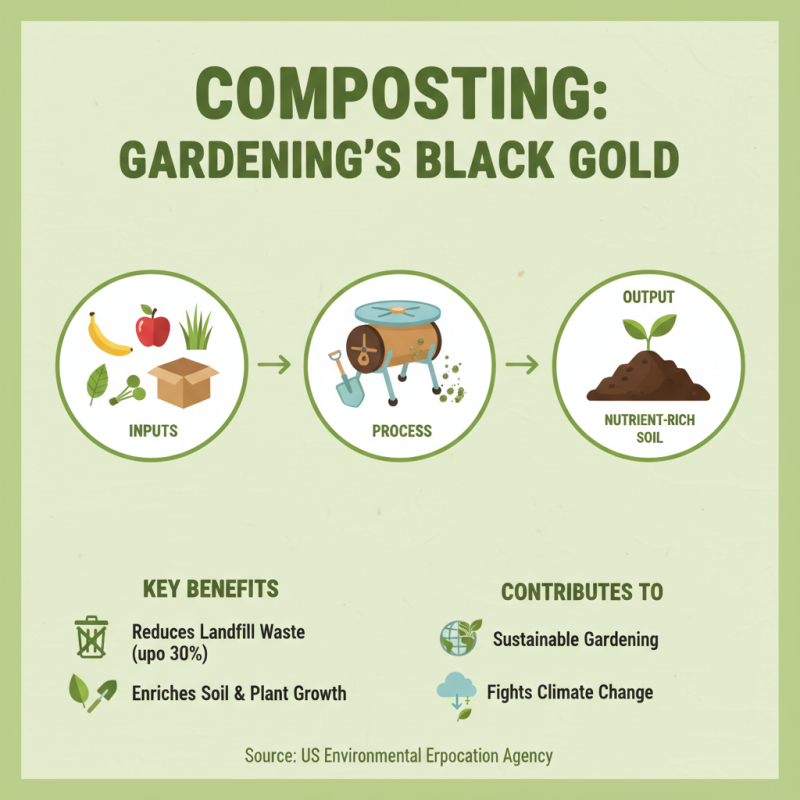
Composting is crucial for sustainable gardening. It transforms kitchen scraps, yard waste, and other organic materials into nutrient-rich soil. According to the U.S. Environmental Protection Agency, composting can divert around 30% of the waste generated from landfills. This process not only reduces the volume of waste but also enriches the soil.
Incorporating compost improves soil structure, aeration, and moisture retention. Research from the Rodale Institute shows that using compost can increase crop yields by 20-25%. This efficiency enhances the growth of plants, making it an essential practice for gardeners. However, many people find it challenging to start composting. They might struggle with maintaining the right balance of greens and browns, or experience odors during the process.
It's vital to understand that composting is not a perfect science. Conditions like temperature and moisture levels impact decay rates. Sometimes, bins can attract pests if not managed properly. While these challenges may deter some, learning from mistakes is part of the journey. Embracing composting can significantly benefit gardens, leading to both healthier plants and a reduction in waste.
Types of Compost Bins for Home Gardens
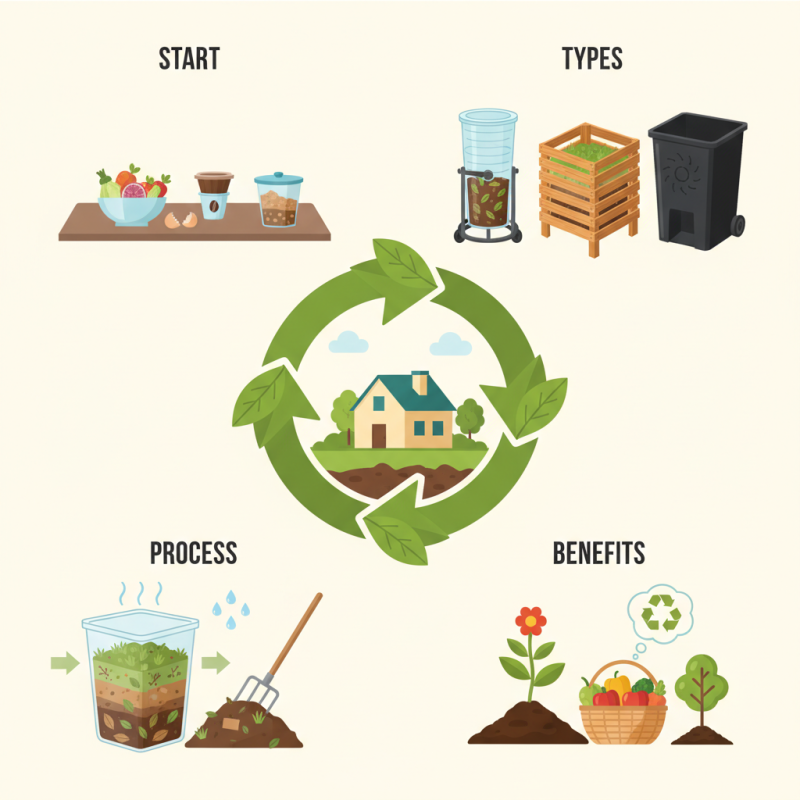
When choosing the right compost bin for home gardens, several types are available. Each design offers distinct advantages based on your gardening needs. For example, classic compost bins have a simple, open design that provides excellent aeration. They often require manual turning to speed up decomposition. A study conducted by the Composting Association states that turning compost every two weeks can reduce the composting time by up to 50%.
On the other hand, tumblers are becoming increasingly popular. They come sealed and rotate, allowing gardeners to mix waste easily without the hassle of turning it manually. This method can generate usable compost about twice as fast. Research from a recent industry report suggests that Compost Tumblers result in high-temperature composting, which effectively kills pathogens, providing a superior end product for the garden.
For those interested in more sustainable options, worm composters offer a unique solution. The process utilizes worms to break down waste, resulting in vermicompost enriched with beneficial nutrients. Data indicates that vermicomposting can reduce waste by nearly 30% per household. Additionally, choosing products made from recycled materials, like those from a reputable factory, such as the China Top Garden Compost Bin Factory, can further benefits environmental sustainability efforts in gardening.
Factors to Consider When Choosing a Compost Bin
When choosing a compost bin, several factors should be considered for optimal use. The material of the compost bin can affect airflow and decomposition speed. Plastic bins are lightweight but may not retain moisture as effectively as wooden ones. According to the Soil Science Society, proper moisture levels can accelerate composting by 40%.
Capacity is another critical aspect. Small bins may seem convenient, yet they often require more frequent emptying. A larger bin can handle more waste, while a Compost Tumbler can ensure even mixing and faster breakdown. Consider your household waste volume and choose accordingly.
Tips: Regularly turn your compost. This aerates the material and speeds up decomposition. Adding a mix of green and brown materials helps maintain balance. Monitor moisture to avoid a soggy mess. Remember, mistakes in composting can lead to odors or pests. Reflect on what’s working and adjust your methods.
Best Garden Compost Bin Options for Efficient Recycling
| Compost Bin Type | Capacity (Gallons) | Material | Aeration Method | Ideal for |
| Tumbling Compost Bin | 37 | Plastic | Rotating | Small to Medium Gardens |
| Bin Composting System | 50 | Wood | Static | Large Gardens |
| Worm Compost Bin | 16 | Plastic | Aerobic | Indoor Use |
| Stationary Compost Bin | 65 | Metal | Static | All Gardens |
| Bokashi Compost Bin | 5 | Plastic | Fermentation | Kitchen Waste |
Top Features of an Efficient Compost Bin
When selecting a compost bin, specific features can greatly enhance efficiency. An ideal compost bin should have a well-ventilated design. Aeration is crucial, as it aids in breaking down organic material more effectively. Studies show that bins with built-in airflow systems can speed up the composting process by up to 50%. This leads to rich compost in a shorter timeframe.
Size matters too. A compost bin that's too small limits your capacity to recycle food scraps and yard waste. Many experts recommend a bin size that accommodates at least three cubic feet. This allows for adequate mixing and processing. Having this space encourages the natural breakdown of materials and enhances microbial activity. In urban settings, larger bins may not be practical, but compact solutions exist, such as tumbling composters.
Durability is another essential characteristic. Bins made from recycled materials or high-grade plastics offer longevity and resilience. A report from the National Composting Council highlights that durable bins reduce the need for replacements, which conserves resources. Ultimately, selecting the right compost bin can facilitate a smoother composting process, benefiting both your garden and the environment. Innovative producers, like some from China's top compost tumbler factory, are setting new standards in this field by emphasizing sustainable materials and efficiency.
Comparing Popular Compost Bin Models
When choosing a compost bin, it’s crucial to evaluate different models. Each type offers distinct features. Some bins are open, making it easy to add materials. Others are enclosed, promoting heat retention. The right choice often depends on your gardening needs and space availability.
Popular compost bins vary in construction and usability. Some are made from durable plastic, while others use wood or metal. Plastic bins are lightweight, yet they can crack under extreme temperatures. Wooden bins provide great insulation but may decay over time. Meanwhile, metal options are durable but can get hot. It’s essential to consider how often you'll be turning your compost for optimal results.
As you explore these options, reflect on what works for you. A bin that excels in one garden may struggle in another. The design should support ease of use. Many experienced gardeners recommend checking suppliers like China Best Compost Tumbler Factory for quality and dependability. Understanding composting processes will lead you to a suitable choice.
DIY Compost Bin Solutions for Budget-Conscious Gardeners
Creating a DIY compost bin can be an excellent solution for budget-conscious gardeners. Many people are unaware that composting can divert 30% of household waste from landfills. By repurposing materials, homeowners can create an efficient compost system without spending much. For instance, wooden pallets or old garbage bins make great bases for constructing simple compost bins.
The EPA reports that composting food scraps not only reduces landfill waste but enriches garden soil. It’s an opportunity for gardeners to benefit from nutrient-rich organic matter. Simple designs can be made using chicken wire or even repurposed wood. The goal is to create a structure that promotes airflow and moisture retention. Ensuring proper balance between green materials, like vegetable scraps, and brown materials, such as dried leaves, is crucial.
Challenges can arise when home compost bins are not maintained. Unrealistic expectations about composting speed may lead to frustration. Ideally, compost should break down in 3 to 6 months, depending on conditions. Regular turning can help speed up the process. Observing the contents is vital; a lack of heat or foul smells signals that adjustments are necessary. Embracing these imperfections can lead to learning and improvement in the composting journey.
Best Practices for Using a Compost Bin Effectively
Composting is an effective way to recycle organic waste. To use a compost bin effectively, it's important to maintain a proper balance of materials. A mix of green materials, like food scraps, and brown materials, such as dry leaves, is essential. Research shows that a 2:1 ratio of browns to greens promotes efficient decomposition. This process also reduces greenhouse gas emissions.
Tip: Start by collecting kitchen scraps daily. Coffee grounds, fruit peels, and vegetable trimmings can all go into your compost bin. This not only keeps your kitchen waste under control but also enriches your compost.
Over time, many gardeners overlook moisture levels. Compost should feel like a damp sponge. If it's too dry, the decomposition slows significantly. On the other hand, overly wet compost can develop unpleasant odors.
Tip: Turn your compost regularly to aerate it. This helps to speed up decomposition and enhances microbial activity. The more you engage with your compost bin, the better it performs. Adjusting your techniques based on how your compost reacts can improve your results significantly.
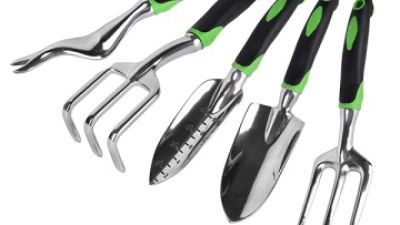
Essential Garden Tool Set TG2102012: Elevate Your Gardening Experience with the Perfect Tools
Gardening is not just a hobby; it's a fulfilling experience that connects us with nature and allows us to nourish our surroundings. The Essential Garden Tool Set TG2102012 is designed to elevate this experience by ensuring that every gardener, whether a novice or a seasoned pro, is equipped with the perfect tools for the job. This thoughtfully curated set includes everything you need to cultivate, plant, and maintain your garden efficiently.
Each tool in the set is crafted with ergonomics in mind, reducing strain on your hands and wrists while maximizing efficiency. The sturdy, rust-resistant materials ensure longevity and durability, allowing you to tackle even the toughest tasks without concern for wear and tear. With tools that facilitate precise digging, planting, and weeding, you will find gardening not only more enjoyable but also more productive.
Furthermore, the compact nature of the Essential Garden Tool Set TG2102012 makes it easy to store and transport, whether you're tending to your backyard or exploring community gardens. This convenience ensures that you can take your passion wherever you go, ensuring that your gardening experience is never limited by accessibility to the right tools. Embrace the joy of gardening with a set that complements your commitment to growing and nurturing life in your garden.
FAQS
: Composting transforms organic waste into nutrient-rich soil, benefiting gardens and reducing landfill waste.
It improves soil structure and moisture retention, increasing plant growth and crop yields significantly.
Beginners often struggle with balancing green and brown materials or dealing with bad odors.
Temperature impacts decay rates. Maintaining appropriate levels is crucial for successful composting.
Yes, creating a DIY compost bin using simple materials can be budget-friendly and efficient for composting.
Lack of heat or foul smells indicate problems. Adjustments may be needed for better results.
Repurposed wood, old garbage bins, or even chicken wire can create effective compost bins.
Ideally, compost takes 3 to 6 months to break down, depending on maintained conditions.
A good balance involves mixing green materials like vegetable scraps with brown materials like dried leaves.
Consider your gardening needs and space, as different bins work better in different environments.
Conclusion
Composting is a vital practice for gardeners aiming to enhance soil health and reduce waste effectively. A well-chosen Garden Compost Bin can significantly streamline this process, making it essential to understand the various types available, such as tumblers, bins, and DIY solutions. When selecting a compost bin, factors like size, material, and airflow should be considered to optimize decomposition.
Features that contribute to a compost bin's efficiency include a secure lid, easy access for adding materials, and ample ventilation. By comparing popular compost bin models and exploring budget-friendly DIY options, gardeners can find a suitable solution tailored to their needs. Implementing best practices for using a compost bin effectively ensures that organic waste transforms into nutrient-rich compost, promoting healthier plants and a more sustainable garden.


 +86-13905742713

 CONTACT NUMBER
 CONTACT NUMBER